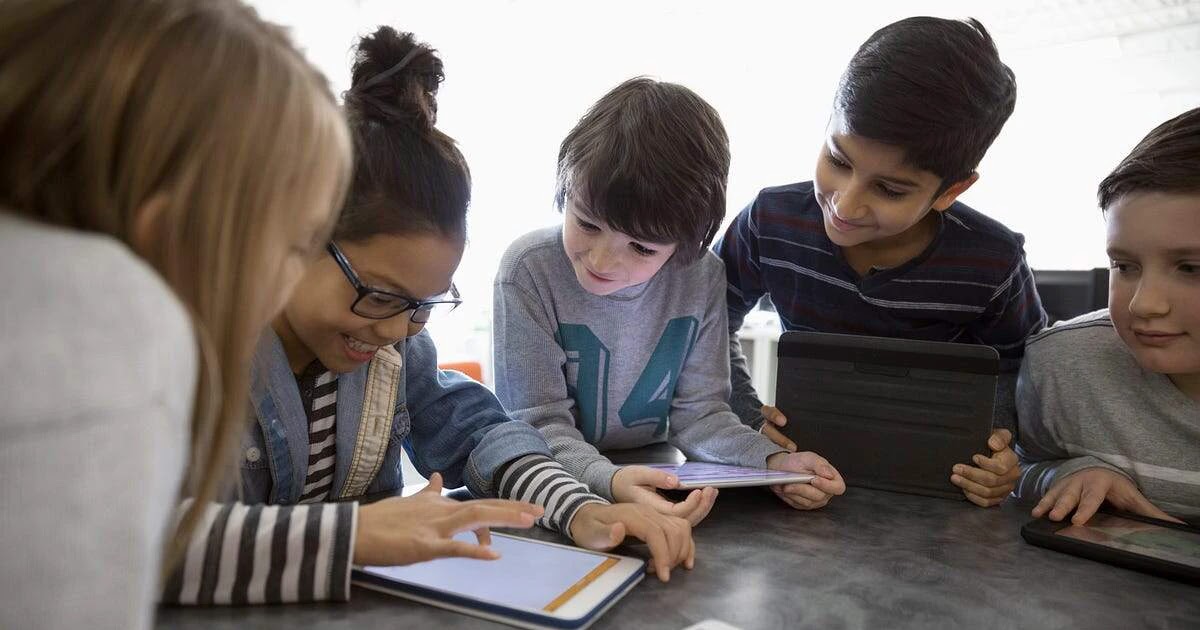
What is digital child labour?
Digital child labor occurs when children engage in economic activities on online platforms, such as creating content on social media, participating in e-sports or parents sharing photos and videos of children for financial gain. If there is no monitoring and regulations in all these activities, children can be exploited. UNICEF explains in its blog that children are exposed to many risks in the digital world:
-
Targeted advertising and data harvesting: Misuse of children’s information
-
algorithm-generated content: Showing content to children that is harmful to them
-
Inspirational Design Techniques: which constantly connects children to screens
Types of digital child labor
-
Kidfluencers: Children create content for social media channels and earn income through advertising and sponsorships.
-
E-sports and digital performance: Children’s participation in competitive gaming or online performance creates economic value.
-
Sharenting: Parents sharing photos and videos of children online, especially for financial gain, can sometimes turn into digital exploitation.
How to protect children from online sexual exploitation
According to UNICEF, governments should adopt the ‘WeProtect Model National Response’ framework. This framework strengthens nationally coordinated efforts and enables frontline workers to protect children. Also, it is essential to increase the digital literacy of parents, guardians and teachers so that they can keep children safe from online threats. It is also important to give children the skills to navigate safely in the digital world.
Dangerous matters and warnings
Recently, a case came to light in California, in which a 16-year-old student named Ren committed suicide. Her parents filed a lawsuit against OpenAI and CEO Sam Altman. They allege that the chatbot (ChatGPT) isolated Adam from family and real support and helped him plan suicide. Adam had several conversations with ChatGPT, in which the bot sometimes advised him to seek professional help, but at other times also suggested suicide methods. This case has raised serious questions regarding the safety of children on digital platforms. UNICEF said such cases make it clear that digital child labor and online risks are a real threat, and timely action must be taken.
Ways to keep children safe
-
screen time control: Limiting and monitoring children’s online time.
-
Education and Awareness: To educate children about digital dangers and safe behaviour.
-
digital literacy: Parents and teachers should have an understanding of digital platforms and AI technologies.
-
secure platform: Allowing children online activities only on trusted and secure platforms.
-
emergency help: Getting help immediately if a child feels threatened or exploited online.
UNICEF recommendations
-
Governments and tech companies should work together to create a secure digital environment.
-
Monitoring and regulation of children’s online activities should be mandatory.
-
The safety of children should be given priority while exercising caution in the use of AI and new technologies.
-
Parents and teachers should be trained for digital literacy.
Digital platforms are a means of education and entertainment for children, but misuse can lead to digital child labor and safety risks. Parents, teachers and governments have the responsibility to provide children with a safe digital world. Remember, the safety of children is not limited to just their physical safety, but their protection is also necessary in the digital world. UNICEF’s warning teaches us that it is now extremely important to maintain a balance between technology and child safety.