New Delhi: The tensions in the Middle East are showing no signs of slowing down and with the Strait of Hormuz facing disruption, India is planning to secure its vessels at sea. New Delhi is exploring costly alternatives to keep supplies steady in the country amid the ongoing Iran-Israel-US conflict.
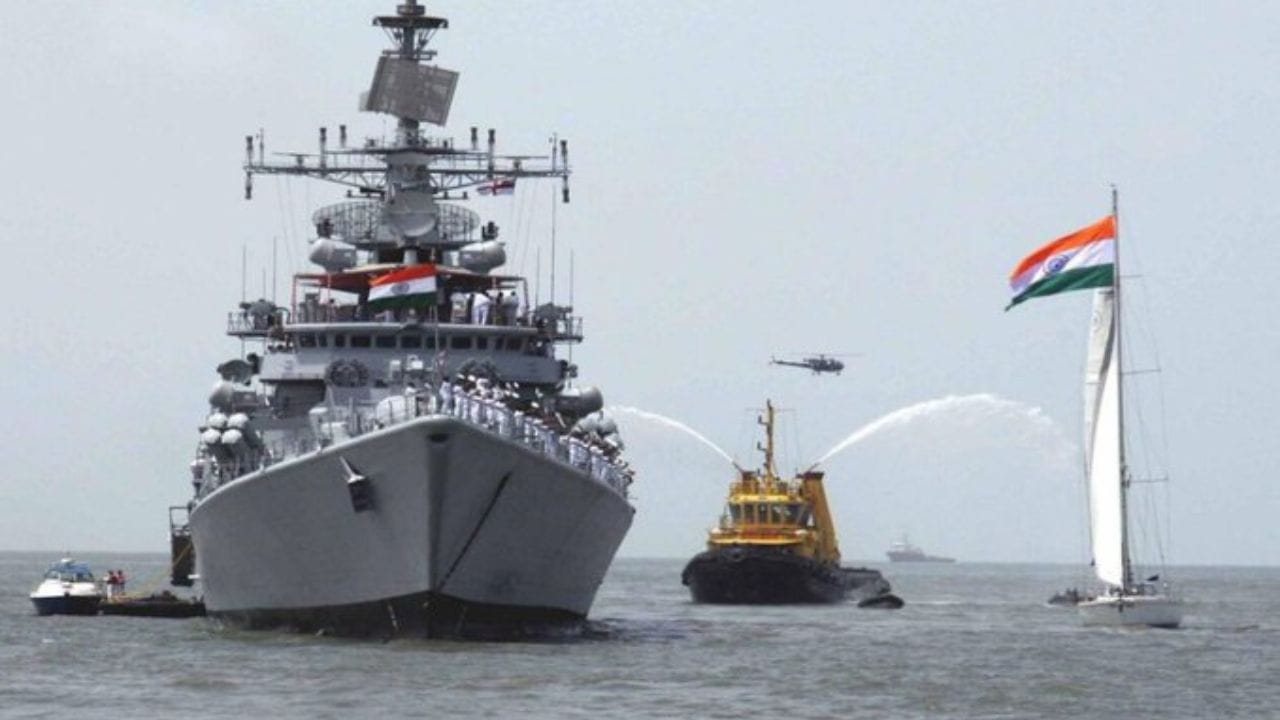
India gets 45 per cent of its energy supplies through the Gulf and this has made the situation a direct challenge to energy conflict. As per the Ministry of External Affairs, 22 Indian-flagged vessels are stuck west of the Strait of Hormuz, and to secure the passage, the Indian Navy has expanded its deployment in the region. They have positioned additional warships in the Arabian Sea and the Gulf of Oman.
Earlier, two task forces escorted the vessels- Shivalik and Nanda Devi through the North Arabian Sea to Indian ports. Now, as per the sources, deployment of seven ships with support vessels is also being made.
Official in touch with Iran
Indian officials are in continuous touch with Tehran to ensure the safe passage of the rest of the ships. The fresh deployments build on Operation Sankalp; the aim is clear to ensure the safe passage of ships carrying LPG and fuel while remaining ready to respond to any sort of escalation in the region. To ensure safe passage of Shivalik and Nanda Devi External Affairs Minister S. Jaishankar had four rounds of discussion with the Iran’s foreign minister.
Is there really any alternative?
Veteran maritime expert Commodore Ranjit Rai reveals that India does not have an immediate substitute for the Strait of Hormuz. He clearly said, “India depends on the Gulf for 45 per cent of its energy requirements.”
Though he also suggested few possible substitutes like importing more from Russia, sourcing oil from the United States and Venezuela or rerouting supplies. But he added that each alternative will come with a higher cost because ‘the energy from the Gulf is cheaper’.
In terms of route, one option that is being considered is transporting the oil from Jeddah, Saudi Arabia, by land and then shipping it through the Gulf of Aden. However, the practicality and cost remain concerns, as any alternative other than Hormuz will definitely push the prices and will add pressure on the domestic energy supply.
Looking ahead
India is currently facing LPG shortages due to restricted movement in the region and is preparing for an uncertain phase. The Navy is on high alert, and further moves will be decided based on how the situation evolves and whether dialogue with Iran results in safe passage for Indian vessels through the Persian Gulf.
For now, India is using diplomacy and naval planning to prepare for any situation as the energy supplies cost is set to rise.