The arrival of the monsoon season often brings relief from the scorching summer heat, but it can also be challenging for car owners. Heavy rainfall, waterlogged roads, poor visibility and muddy conditions can affect both the performance and safety of a vehicle.
For drivers who may not have much technical knowledge about cars, preparing the vehicle before the rainy season begins is one of the smartest decisions. It is often recommend performing a pre-monsoon inspection to ensure the car remains safe, reliable and comfortable throughout the rainy months.
Check Tyres For Proper Grip
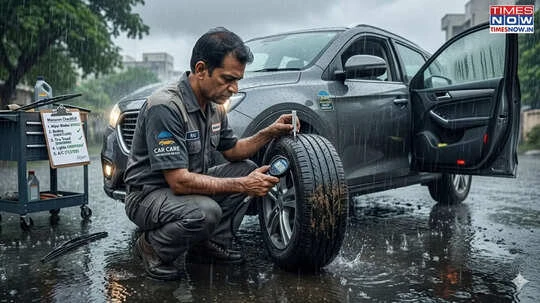
Tyres are the only part of the car that touches the road, which makes them extremely important during the monsoon. Wet roads reduce traction, and worn tyres can easily lose grip. Drivers should ensure that the tyre tread depth is at least 2 mm, although 3-4 mm is considered ideal for better grip in heavy rain. Adequate tread helps channel water away from the tyre surface and prevents hydroplaning, a situation where the car slides on water instead of gripping the road. Maintaining the correct tyre pressure is equally important because both over-inflated and under-inflated tyres can reduce road contact.
Replace Wiper Blades And Maintain Visibility
Clear visibility is essential when driving in rain. Worn-out wiper blades often leave streaks or fail to remove water properly from the windshield. Before the monsoon begins, drivers should inspect and replace old wiper blades. It is also important to refill the windshield washer fluid tank, which helps remove mud and grime that splash onto the windshield from the road.
Inspect Brakes For Safety
Rainy conditions increase braking distance, meaning vehicles take longer to stop on wet roads. Therefore, checking the brake pads, discs and brake fluid levels becomes extremely important. If the brakes feel soft or make unusual noises, it is advisable to get them inspected at an authorised service centre before the rainy season begins.
Protect The Car From Rust And Water Damage
Constant exposure to rainwater and mud can cause corrosion over time. Applying an anti-rust coating on the underbody helps protect important metal components from damage. In addition, washing and waxing the exterior creates a protective layer that helps rainwater slide off easily while protecting the paint.
Check Drainage Channels And Seals
Many car owners overlook drainage channels around the windshield, sunroof and doors. Leaves, dirt and debris can block these drains, causing water to accumulate and eventually leak into the cabin. Cleaning these drainage points regularly helps prevent waterlogging inside the car. Rubber seals around doors and windows should also be inspected to ensure they are not cracked or loose.
Lights, Electricals And Battery
During heavy rain, visibility on the road drops significantly. Drivers should ensure that headlights, tail lights, indicators and fog lamps are functioning properly. Battery terminals should be clean and tightly connected, and exposed wiring should be properly insulated to prevent electrical faults caused by moisture.
Keep An Emergency Monsoon Kit
It is always wise to keep a small emergency kit inside the car during the rainy season. Useful items include – flashlight with spare batteries, tow rope or jumper cables, first-aid kit, microfiber cloth or towel and umbrella or raincoat. These simple items can be extremely helpful during unexpected breakdowns or emergencies.
Preparing a car for the monsoon does not require complicated technical work. A few basic inspections and preventive steps can significantly improve safety and reduce the chances of breakdowns. For drivers who want complete peace of mind, a professional pre-monsoon service at an authorised service centre is also a good idea.
After all, when the rains arrive, the last thing any driver wants is to be stranded on the roadside. With proper preparation, your car can handle the monsoon confidently and keep every journey safe and comfortable.