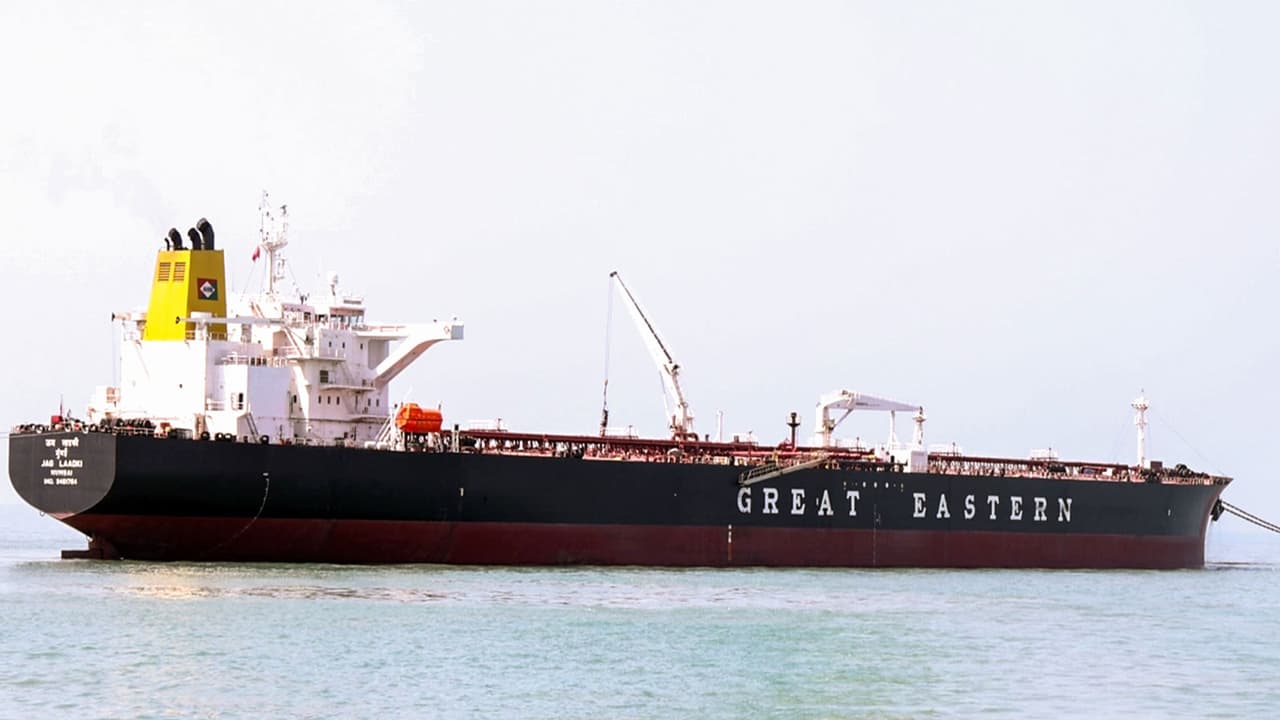
Energy prices are surging as the West Asia conflict escalates, with Brent crude hitting its highest level since July 2022. An Israeli strike on Iran and Iraq’s export halt add pressure, while the US offers relief by easing sanctions on Iranian oil.
Energy Prices Surge as West Asia Conflict Escalates
With the West Asia Conflict poised to enter a fourth week, the pressure on Energy Prices is only escalating. CNN reported that Oil and natural gas prices were volatile on Thursday. Brent crude, the global oil benchmark, rose 1.18% to settle at $108.65 per barrel, its highest settle so far during the Iran war and its highest closing level since July 2022.
In Europe, benchmark natural gas prices surged just over 13% on the day, having soared 25% at one point, and have now nearly doubled since the war began on February 28. The latest spike follows an Israel led strike on Iran’s South Pars Gas fields and retaliatory attacks by Iran on Qatar’s LNG facilities.
Iraq Halts Exports, Adding to Supply Woes
Meanwhile, the stress for Energy received another jolt when Iraq declared force majeure on all oilfields developed by foreign oil companies after military operations in the region disrupted navigation through the Strait of Hormuz, halting most of the country’s crude exports.
Signs of De-escalation and Relief Emerge
But there was some breathing room as US President Donald Trump on Friday (local time) indicated a possible dialling down in the military campaign against Iran, while asking allies to patrol the Strait of Hormuz. “We are getting very close to meeting our objectives as we consider winding down our great Military efforts. The Hormuz Strait will have to be guarded and policed, as necessary, by other Nations who use it, the United States does not,” he posted on Truth Social.
US Temporarily Eases Sanctions on Iranian Oil
The United States on Friday (local time) also announced temporarily easing of sanctions on Iranian-origin crude oil and petroleum products up until April 19 this year, including permitting the sale of Iranian crude and refined products into the United States.
The details of the decision were provided by a statement from the US Department of the Treasury’s Office of Foreign Assets Control, which authorised the delivery and sale of crude oil and petroleum products of Iranian-origin, which is loaded on vessels as of March 20. The statement noted 19 April, 2026 as the date till which the exceptions would exist on Iranian-origin crude oil and petroleum products.
Highlighting the rationale behind the decision, US Treasury Secretary Scott Bessent noted that the measure would help ease supply pressures. “At present, sanctioned Iranian oil is being hoarded by China on the cheap. By temporarily unlocking this existing supply for the world, the United States will quickly bring approximately 140 million barrels of oil to global markets… helping to relieve the temporary pressures on supply caused by Iran,” he said.
Iran Ready to Facilitate Passage in Hormuz
Markets are also likely to see some positives after Iranian Foreign Minister Abbas Araghchi told Japanese News Agency that Tehran is ready to facilitate the passage of Japanese vessels through the Strait of Hormuz. Araghchi said Iran has not closed the strategic waterway but has imposed restrictions on vessels belonging to countries involved in attacks against Iran, while offering assistance to others amid heightened security concerns.
(Except for the headline, this story has not been edited by Asianet Newsable English staff and is published from a syndicated feed.)