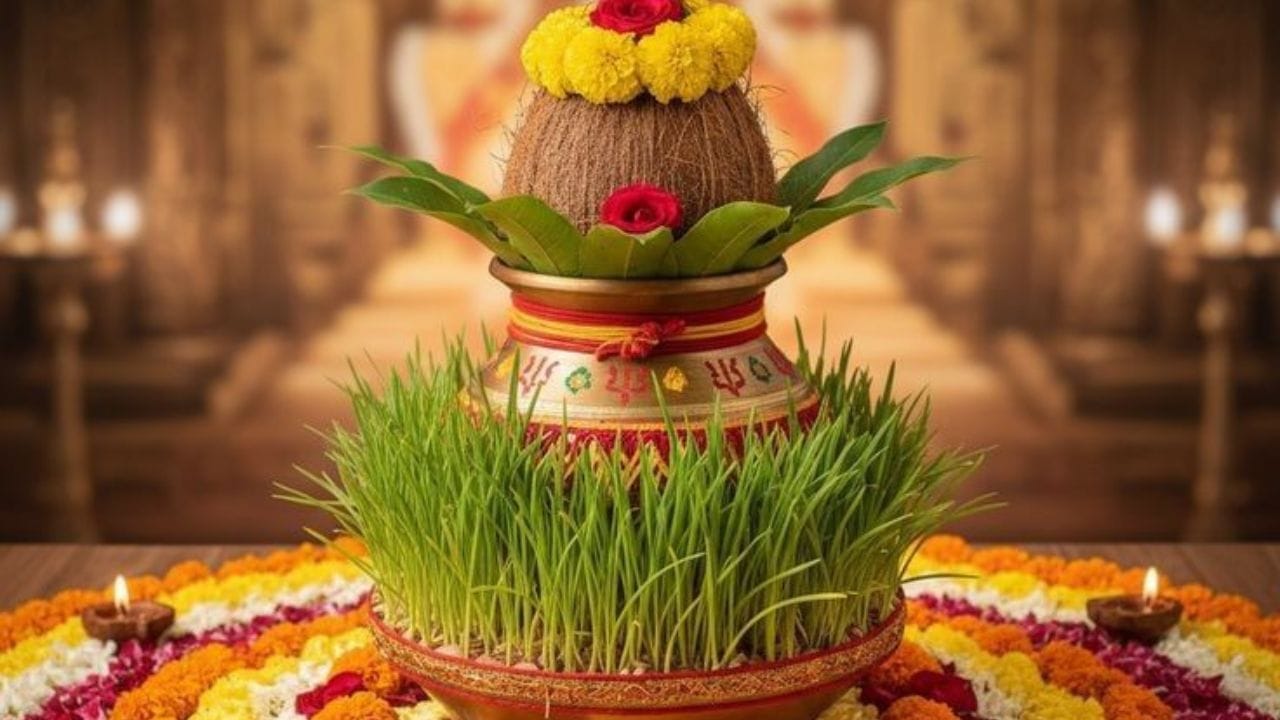
New Delhi: Kalash Sthapana, also known as Ghatasthapana, is one of the most important rituals that mark the beginning of Navratri. It symbolises the invocation of Goddess Durga and divine Shakti into the home. From this moment onward, the nine days of Navratri fasting, prayers, and worship formally begin.
For Chaitra Navratri 2026, Ghatasthapana will be performed on Thursday, 19 March 2026. Devotees usually perform this ritual early in the morning during an auspicious muhurat to seek blessings from Maa Durga for peace, prosperity, and protection.
Ghatasthapana Muhurat for Chaitra Navratri 2026
According to traditional Panchang calculations for New Delhi:
- Ghatasthapana Muhurat: 06:52 AM to 07:43 A
- Duration: 50 minutes
- Abhijit Muhurat (alternative time): 12:05 PM to 12:53 PM
- Pratipada Tithi begins: 06:52 AM on 19 March 2026
- Pratipada Tithi ends: 04:52 AM on 20 March 2026
The most auspicious time for Kalash Sthapana is during the first part of the day while Pratipada Tithi is active. If this time is missed, devotees may perform the ritual during the Abhijit Muhurat around midday.
Why Kalash Sthapana is important during Navratri
Ghatasthapana represents the invocation of divine energy. The Kalash symbolises the presence of the Goddess, while the sowing of barley seeds represents growth, prosperity, and new beginnings.
According to scriptures, performing this ritual at the correct time is important because it sets the spiritual foundation for the nine days of Navratri worship.
Items Required for Kalash Sthapana
Before beginning the ritual, arrange the following items:
- Clay pot or Kalash
- Clean soil or sand
- Barley seeds (Jau)
- Copper or brass Kalash filled with water
- Mango leaves
- Coconut wrapped in red cloth
- Red cloth or chunri
- Kumkum and turmeric
- Flowers and garland
- Incense sticks and a ghee lamp
- Rice grains (Akshat)
Step-by-step method to perform Kalash Sthapana at Home
Follow these simple steps to perform Ghatasthapana at home.
1. Clean the Puja Area
Wake up early, take a bath, and clean the area where the Navratri puja will be performed. Spread a clean cloth or wooden platform for the Kalash.
2. Prepare the Soil Bed
Fill a clay pot with clean soil. Sow barley seeds evenly in the soil and sprinkle a little water. The sprouting of these seeds during Navratri is considered a sign of prosperity and blessings.
3. Place the Kalash
Place a copper or brass Kalash filled with water on the soil pot. Add a few betel nuts, coins, and mango leaves inside the Kalash as symbols of abundance.
4. Place the Coconut
Wrap a coconut with a red cloth or sacred thread and place it on the mouth of the Kalash. This represents the presence of Goddess Durga.
5. Invoke the Goddess
Apply kumkum and turmeric to the Kalash. Offer flowers, rice, and incense while chanting Durga mantras or simple prayers to invoke the blessings of Maa Durga.
6. Light the Sacred Lamp
Light a ghee lamp near the Kalash. Many devotees keep this lamp burning throughout Navratri as a symbol of divine energy.
Important Rules to Remember
Traditional scriptures mention a few important guidelines for Ghatasthapana:
- The ritual should be performed during Pratipada Tithi in the morning.
• Avoid performing Ghatasthapana at night or in the afternoon.
• The best time is within the first part of the day after sunrise.
• If the morning muhurat is missed, it can be done during Abhijit Muhurat.
Following the correct timing is considered important because the ritual symbolises inviting the divine power of Goddess Durga into the home.
Spiritual Meaning of Kalash Sthapana
The Kalash is considered a sacred symbol in Hindu rituals. It represents creation, abundance, and divine presence. The coconut placed on top symbolises prosperity, while the growing barley seeds represent life, fertility, and positive growth.
By performing Kalash Sthapana at the beginning of Navratri, devotees create a sacred space for the worship of the Goddess during the nine days.
Kalash Sthapana is the first and most important ritual of Chaitra Navratri. It marks the formal start of the festival and the invocation of Goddess Durga into the home.
(Written by: Tanya Singh, Astropatri.com. For feedback, please write to [email protected].)