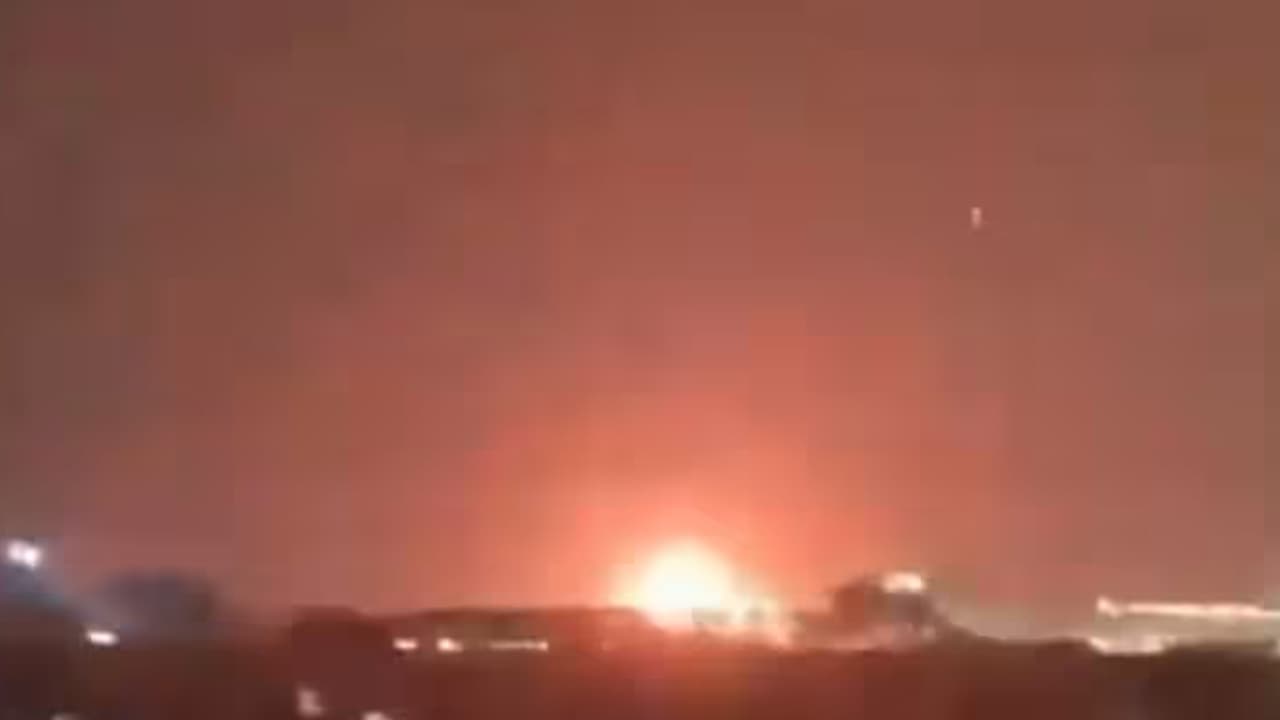
Iran’s missile strike on Qatar’s Ras Laffan Industrial City, a major global LNG hub, caused extensive damage and sparked fires. The March 18 attack, seen as retaliation, has escalated regional tensions and shaken energy markets over supply disruption fears. Qatar condemned the assault and expelled Iranian officials.
Iran’s missile strike on Qatar’s Ras Laffan Industrial City, home to the world’s largest LNG facility, has caused “extensive damage”, escalating tensions across the Gulf and triggering strong reactions from regional powers.
The attack, carried out on March 18, targeted a key global energy hub responsible for nearly 20% of the world’s liquefied natural gas supply, sparking fires and forcing emergency responses. While no casualties have been reported, the strike has shaken global energy markets and raised fears of supply disruptions.
Scroll to load tweet…
Qatar’s Foreign Ministry condemned the strikes as a “brutal Iranian attack targeting Ras Laffan,” saying the assault posed a “direct threat” to national and regional security. The ministry’s statement emphasized that such attacks on energy infrastructure were unacceptable and destabilizing in an already volatile region.
Scroll to load tweet…
In a strong diplomatic response, Qatar declared several Iranian military and security officials “persona non grata” and ordered their expulsion within 24 hours, escalating tensions between Doha and Tehran.
The missile strike is widely seen as retaliation for earlier attacks on Iran’s South Pars gas field, marking a dangerous shift in the conflict where energy infrastructure has become a primary target.
Also Read: Qatar Expels Iranian Military, Security Attaches Over ‘Aggression’
Saudi Arabia Issues Strong Warning
Amid the escalating crisis, Saudi Arabia has issued a sharp warning to Iran. Foreign Minister Prince Faisal bin Farhan said the kingdom’s patience is “not unlimited”, signalling that Riyadh could consider military action if attacks continue.
He described Iran’s actions as a “blatant attempt at blackmail”, adding that such strikes on Gulf energy infrastructure were meant to intimidate regional leaders but would not succeed.
Scroll to load tweet…
Saudi officials also confirmed intercepting multiple missiles targeting their territory, underscoring the widening scope of the conflict across the Gulf.
Rising Regional and Global Impact
The coordinated attacks on Qatar, Saudi Arabia, and the UAE highlight a significant escalation in the Iran-US-Israel conflict, with critical infrastructure increasingly under threat.
Analysts warn that continued strikes on energy facilities could destabilize global markets, push oil and gas prices higher, and deepen geopolitical tensions. With regional powers now issuing direct warnings and considering retaliation, the crisis risks spiralling into a broader conflict with far-reaching economic consequences.
Also Read: Habshan Gas Facilities in Abu Dhabi Shut After Missile Debris Incident