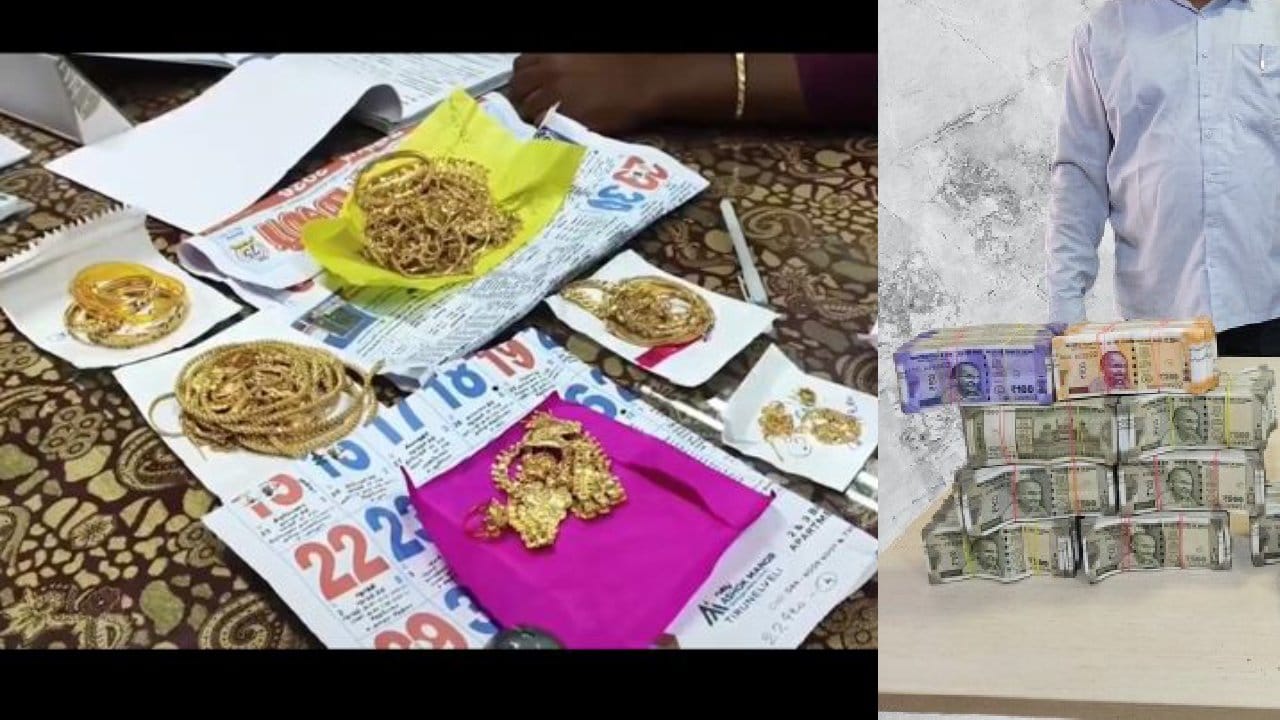
Chennai: Cash and valuables worth ₹23.28 crore have been seized across Tamil Nadu in the first two days since the Model Code of Conduct came into force on March 15, according to data released by Chief Electoral Officer Archana Patnaik. The MCC will remain in effect until May 6.
According to the Chief Electoral Officer’s statement, following the announcement of the Assembly elections scheduled for April 23, election expenditure monitoring mechanisms have been activated across all 234 constituencies. A total of 2,160 Flying Squads and 2,160 Static Surveillance Teams have been deployed, with each constituency having nine teams of each category. Additionally, 25 government agencies including the Income Tax Department and Customs Department are involved in monitoring and surveillance operations.
Tamil Nadu Election 2026: Expenditure limits and enforcement
Candidates contesting in the Assembly elections are permitted to incur election-related expenditure up to a maximum limit of ₹40 lakh. The seized cash and goods valued at ₹23.28 crore are currently under investigation.
Virudhunagar, Tamil Nadu: Election Flying Squad officials seized gold jewellery worth ₹90 lakh at the Venkatachalapuram checkpoint near Sattur. The jewellery, weighing 774.2 grams, was being transported in a car driven by Muthukumar (53) from Madurai to Nellai for sale without… pic.twitter.com/ATsjFoE5Et
— IANS (@ians_india) March 17, 2026
Enforcement agencies have removed 1.68 lakh instances of defacement across the state since March 15. FIRs have been registered in 61 cases related to MCC violations, with further legal action underway. As per MCC provisions, photographs of politically active leaders displayed in public places or government buildings must be covered, while statues of deceased leaders are exempt from this requirement.
#WATCH | Tamil Nadu | ECI’s Flying Squad team and police intensify vehicle checking in Tiruchirappalli as the state goes to polls on April 23 pic.twitter.com/eQrZF8NnTB
— ANI (@ANI) March 16, 2026
Guidelines on cash seizures
According to the Chief Electoral Officer’s statement, individuals found carrying cash can avoid seizure by providing valid documentary evidence or written explanation regarding the source and intended purpose of the funds. If authorities are satisfied that the cash is not meant for distribution to voters, such amounts will be returned to the owner. A District Grievance Committee has been constituted at each district to address appeals against seizure decisions.
District Election Control Rooms have been established in all districts to receive and act upon complaints from the public regarding election-related matters.