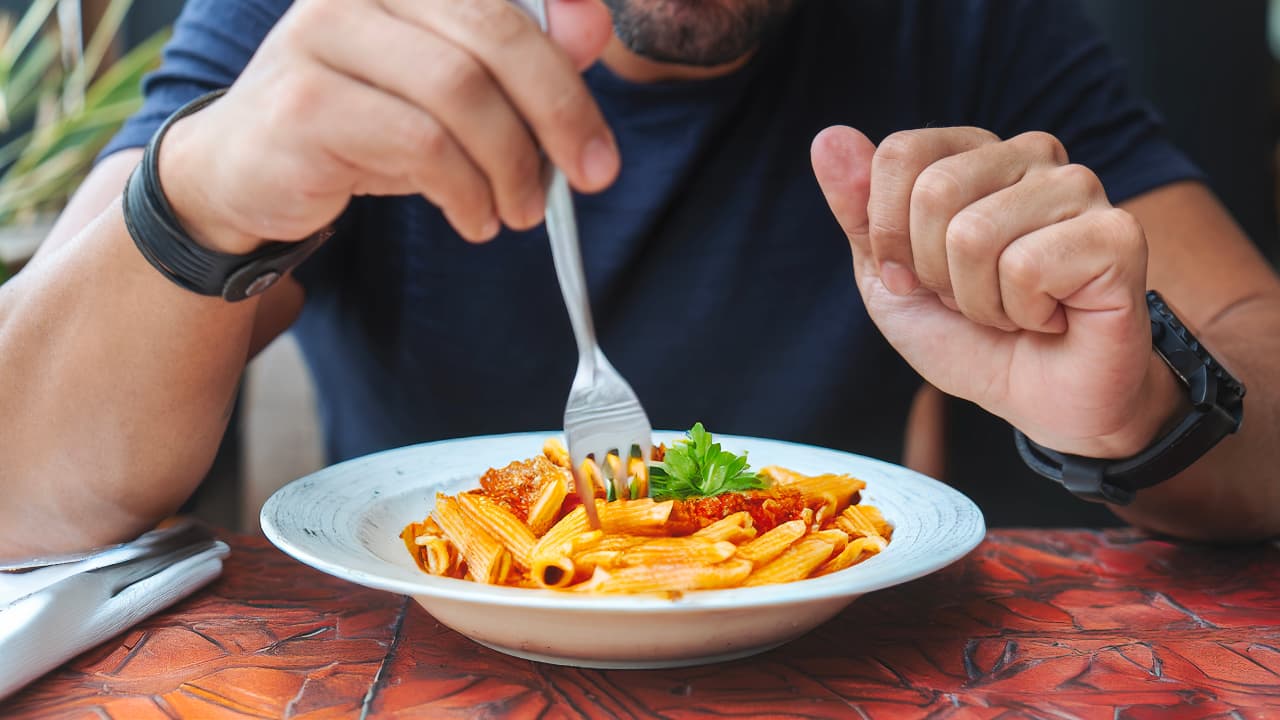
Think pasta leads to weight gain? Discover the truth about pasta’s nutrition, calories, and health benefits. Learn how to enjoy it as part of a balanced diet.
Pasta is one of the world’s most loved comfort foods, yet it also often gets a bad reputation. Many people believe that eating pasta leads to weight gain, bloating, or a feeling of sluggishness after meals. However, nutrition experts say that this idea is largely a misunderstanding. When eaten in the correct amounts and with healthy ingredients, pasta can be a part of a nutritious and balanced diet.
Pasta is mainly made of carbohydrates, which the body turns into glucose to help provide energy and support muscle development. Whole wheat pasta includes fibre, which helps with digestion and keeps you feeling full for a longer time.
Gluten-Free Options
Registered dietitian Nichola Ludlam-Raine told the Daily Mail that pasta can be part of a weight-loss or balanced diet when served in sensible portions and combined with vegetables, lean protein, and healthy fats like olive oil. Modern gluten-free pasta made from ingredients like chickpeas, lentils, or beans is often higher in protein and can be a good alternative for those who avoid wheat.
Most white pasta in the UK is fortified with important nutrients like B vitamins and iron, which are reduced during the refining process of wheat. Wholegrain pasta retains more of its natural fibre, vitamins, minerals, magnesium, and antioxidants. The extra fibre can slow digestion, help keep blood sugar levels steady, and keep you feeling full between meals.
Also read: Study Suggests Sparkling Water Could Improve Concentration and Reduce Fatigue
Calories and Sauces
Plain dried pasta is naturally low in fat, while fresh egg pasta has a little more fat and protein. The majority of calories in pasta dishes usually come from the added toppings and sauces, especially creamy sauces, cheese, butter, or processed meats.
A typical 75g serving of dried pasta provides about 270 calories, which is roughly ten per cent of an adult’s daily recommended intake. Using tomato-based sauces, small amounts of olive oil, and plenty of vegetables can keep pasta meals lighter but still satisfying.
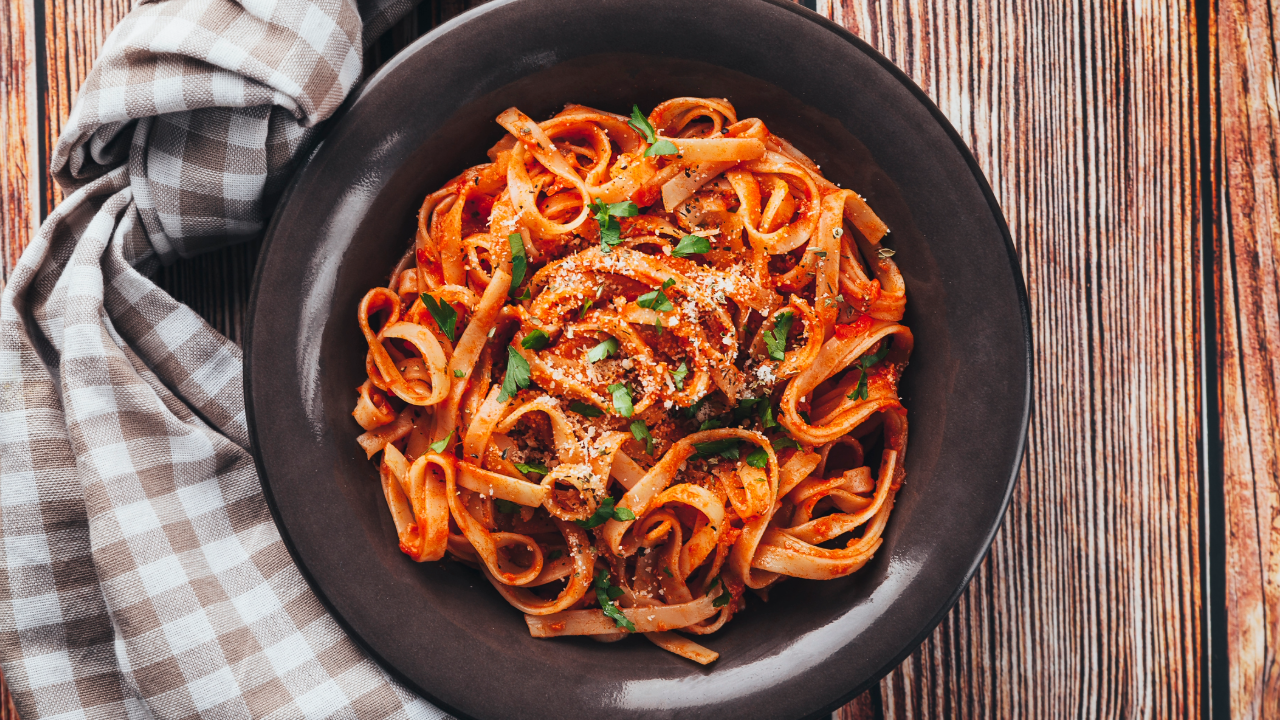
Bloating and Digestion
Some people feel bloated after eating pasta. This can be due to FODMAPs, which are certain carbohydrates found in wheat that some people find harder to digest. Cooking pasta al dente or allowing it to cool after cooking can increase resistant starch, which digests more slowly, helps keep energy levels stable, and supports gut health.
For people with coeliac disease or gluten intolerance, a variety of gluten-free pasta options is available. These include pasta made from chickpeas, lentils, split peas, rice, or quinoa, which often provide more protein and fibre compared to regular wheat pasta.
Shapes and Nutrition
The shape of the pasta does not significantly change its nutritional value. Shapes like penne or rigatoni can hold thicker sauces better, while long strands like spaghetti are better with lighter sauces. Gnocchi, typically made from potatoes and flour, is softer, higher in starch, and lower in protein, so the portion size is often slightly smaller.
By choosing wholegrain or high-protein options, keeping portion sizes in check, and combining it with vegetables, protein, and healthy fats, pasta can be a part of a healthy and balanced diet. It offers energy, supports muscle health, and can be enjoyed without guilt when eaten mindfully.
Also read: Science Reveals What Your Favourite Drink Says About Your Personality