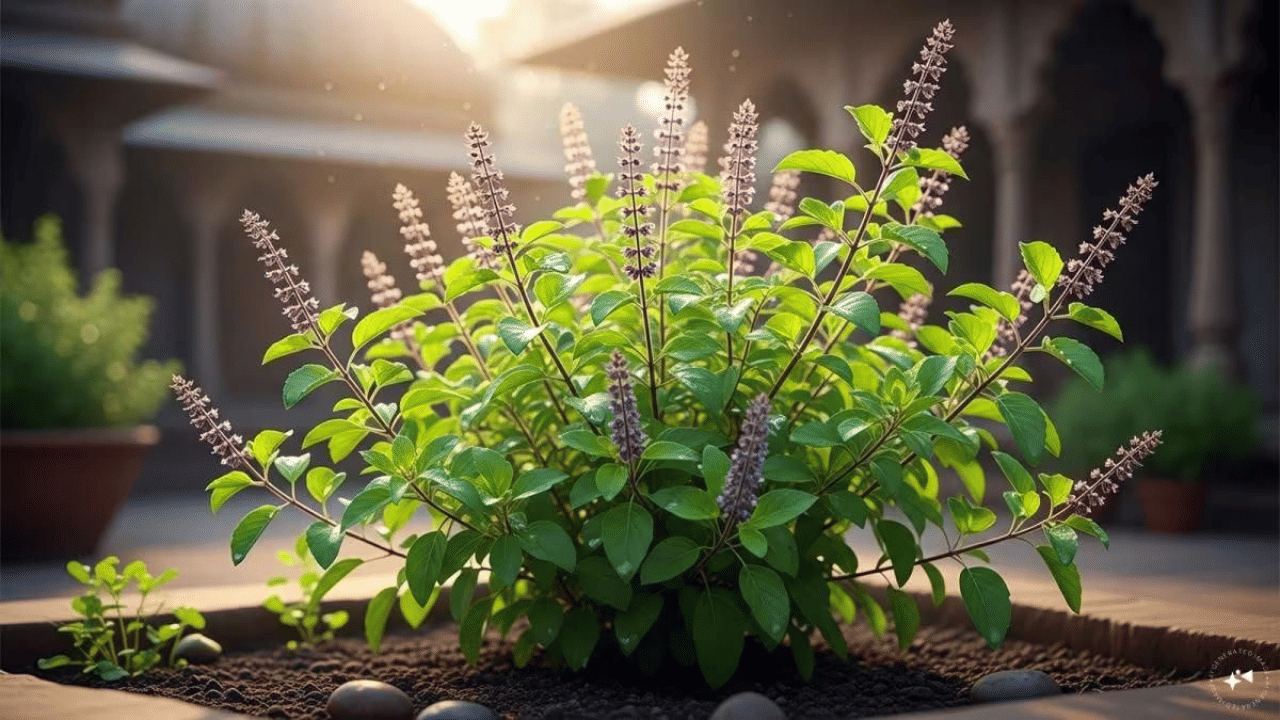
New Delhi: Tending to a tulsi plant after a long, dull winter feels a bit like helping a much‑loved family member recover from a bad cold. The leaves may have yellowed, stems might look leggy, and the once‑bushy canopy can appear thin or patchy, but the plant is rarely beyond hope if the roots are still alive. As temperatures rise and the harsh winter winds ease, this is the perfect moment to gently revive your holy basil with a few simple, consistent steps and some kitchen‑friendly organic care. Think of this as a seasonal reset for your sacred shrub, where warmth, fresh soil and homemade plant food come together to bring back that lush, devotional green.
Once the chill has passed, tulsi steadily responds to better light, balanced moisture and light feeding, which collectively push out new shoots from the base and side nodes. Instead of rushing in with heavy chemical fertilisers or constant watering, post‑winter care is about observation, moderation and organic nourishment that suits its tropical origins. With small tweaks in pruning, potting mix, watering rhythm and simple DIY fertilisers made from everyday kitchen waste, you can turn a weak, sparse plant into a dense, aromatic and worship‑ready beauty in just a few weeks.
Important tips for taking care of Tulsi plants from March onwards
-
From March, start with thorough pruning and cleaning by snipping away dead, dried or half‑withered leaves and stems using clean scissors, which not only shapes the plant neatly but also channels energy straight into fresh shoots sprouting from the base and nodes.
-
Spray water daily on leaves and stems early in the morning to keep the plant refreshed and hydrated, mimicking the gentle mist it loves in its native tropical climate and speeding up the emergence of new, vibrant growth.
-
Position your tulsi for 2–3 hours of morning or evening sunlight, steering clear of harsh midday rays that can shrink leaves or stress the recovering foliage; for balcony pots, shift them to shaded spots or cover with a light cloth during peak heat.
-
Aerate the soil regularly by gently loosening the top layer with a small fork or stick, allowing vital oxygen to reach the roots and boosting their health so the whole plant grows more vigorously and densely.
-
Maintain consistent soil moisture without letting it dry out completely, especially as spring warms up, because even brief dryness can stunt leaf size and branching; check daily and water deeply when the surface feels just right.
-
March is ideal for planting new tulsi from cuttings or seeds, as stems taken now root in 20–25 days under these conditions, giving you a fresh batch of bushy plants ready for the growing season ahead.
Homemade fertilizer for Tulsi plant
-
For an outstanding homemade fertilizer, grind everyday mustard seeds into a fine powder using a mixer, then spread it out to dry completely for one or two days so it loses all moisture and stores well in a jar without clumping.
-
Mix half a teaspoon each of mustard powder and turmeric powder for a potent blend rich in nitrogen, phosphorus, potassium, magnesium and iron, which directly tackles yellowing and sparse growth after winter.
-
In powder form, sprinkle one teaspoon of the mix into the soil of a 10–12 inch pot or half a teaspoon for smaller ones, always working it into moist soil during cool mornings or evenings to avoid root burn.
-
For liquid application, soak half a teaspoon each of mustard and turmeric powder in one litre of lukewarm water overnight, dilute one part solution with two parts plain water, and pour around the roots of one large or two to three small plants.
-
Apply this fertilizer once a month in peak summer (April–June) and every 15 days otherwise, because mustard’s natural heat means moderation prevents overload while turmeric fights fungi, insects and nematodes for healthier, bushier tulsi.
With these simple, natural steps and the power of mustard-turmeric homemade fertiliser, your tulsi plant will transform from a winter-weary shadow into a lush, aromatic powerhouse by summer’s start. Regular care from March onwards ensures it stays bushy, vibrant and spiritually enriching for years.