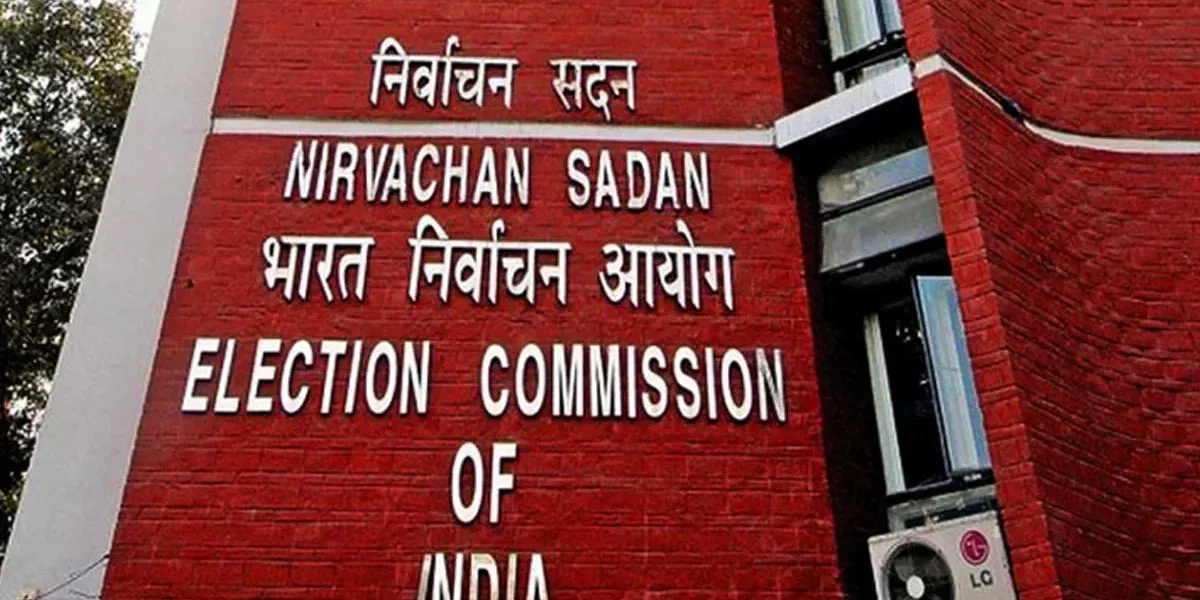
New Delhi: The Election Commission removing West Bengal’s top two bureaucrats immediately after announcing the Assembly elections schedule has triggered a fresh debate on the Commission’s unprecedented administrative overhaul to ensure administrative neutrality during elections.
The decision to shift West Bengal Chief Secretary and Home Secretary within hours of the Model Code of Conduct coming into force was swift and striking. While interventions are not unheard of during elections, the speed and scale of this action suggest that the Commission is determined to exercise tight supervision over the administrative machinery ahead of polling.
The reshuffle did not stop there. Senior police leadership was also altered, with the appointment of a new Director General of Police (DGP) and a new Kolkata Police Commissioner. Together, these moves indicate that the Election Commission wants to send a clear signal that the Assembly polls will be monitored closely.
EC asserting its constitutional authority
The Constitution vests the Election Commission with the responsibility of conducting “free and fair elections”. Over the decades, the Commission has used this authority to intervene in administrative arrangements whenever it believes neutrality could be compromised.
The removal of the State’s senior bureaucrats reflects this institutional role. In the Commission’s view, elections require an administrative structure that commands the confidence of all political actors.
By stepping in at the very start of the election cycle, the Commission appears to be asserting that it will not wait for problems to emerge before acting. The pre-emptive measure signals the EC’s proactiveness.
Administrative neutrality in a charged political climate
West Bengal’s electoral history has often been marked by intense political rivalry. Allegations of violence, intimidation and administrative bias have surfaced repeatedly in past elections.
In this context, the Commission’s intervention seems to prioritise maintaining the perception of the bureaucracy as impartial. Officials responsible for maintaining law and order during the polls must operate above political pressures. The reshuffle, therefore, serves as a reminder that the election period places the State administration under the Commission’s supervision.
Chief Election Commissioner (CEC) Gyanesh Kumar has emphasised the need for a “violence-free and intimidation-free atmosphere”. Such statements are directed not only at political parties but also at the officials responsible for implementing election rules on the ground.
Is EC overstretching its authority?
Despite the justifications for the poll body’s actions and its constitutional authority to make the administrative changes, the EC’s precipitous actions inevitably raise questions about the limits of the Commission’s authority.
State governments often view sudden administrative changes as intrusions into their domain. From the perspective of the Mamata-led government, removing senior officials can appear to undermine the autonomy of the State government’s administration.
The tension reflects a larger constitutional balance. Elections are conducted by the Election Commission, but the administrative machinery that carries out these tasks belongs to the State. The Commission’s challenge, therefore, lies in exercising its powers firmly while avoiding the perception of overreach.
EC’s unminced words, clear message to bureaucracy, political parties
Beyond constitutional debates and the perceived tension between the State and the Commission, the reshuffle sends a clear message to the bureaucracy.
The Commission has repeatedly warned that negligence or bias during elections will invite strict action. During a recent review meeting, the CEC reminded officials that administrative decisions leave digital records and that accountability will follow if lapses occur.
Such warnings are intended to reinforce discipline within the election machinery.
Political parties, too, are expected to take note. The Commission’s early intervention signals that it will monitor campaign conduct closely and will not hesitate to act if law and order deteriorates.
Vigilant scrutiny is EC’s electoral strategy
The timing of the reshuffle suggests that the Commission is adopting a proactive strategy. Rather than reacting to incidents after they occur, it appears to be attempting to establish administrative control well before campaigning gathers pace.
For voters, such steps are meant to reassure them that the electoral process remains fair. Public confidence in elections often depends on the perception that the administration is impartial and vigilant.
Whether the Commission’s assertive approach will translate into a peaceful poll remains to be seen. But the early message is unmistakable.
In West Bengal’s forthcoming Assembly polls, the Election Commission intends to keep a firm hand on the administrative machinery and remind both officials and political parties that the conduct of elections falls squarely within its constitutional mandate.