US President Donald Trump accused Iran of using artificial intelligence to create fake battlefield narratives and spread misinformation. He claimed Tehran deployed AI to generate misleading images and videos to influence global perception of the conflict.
US President Donald Trump has sharply criticised media coverage of the ongoing Iran conflict, alleging that Tehran is using artificial intelligence to fabricate battlefield narratives and spread misinformation about attacks on American assets. The remarks come as tensions remain high across the Middle East, with drone strikes, maritime disruptions and cyber-information warfare intensifying alongside military operations.
Speaking to reporters aboard Air Force One and through posts on his social media platform, Trump claimed that Iran was deploying AI tools to generate misleading images and videos showing alleged military successes. He pointed to online visuals of “kamikaze boats”, a purported attack on the USS Abraham Lincoln, and footage of large pro-government rallies as examples of what he described as fabricated propaganda. According to him, such content was designed to influence global perception of the conflict.
In a strongly worded post, Trump wrote: “Iran has long been known as a Master of Media Manipulation.”
He further alleged that sympathetic news organisations were amplifying Tehran’s narratives without sufficient verification, warning that misinformation about the war could undermine public trust and national security. However, reports indicate that the president did not present specific evidence to substantiate claims that mainstream Western outlets had knowingly circulated AI-generated content.
The accusations reflect a broader information battle unfolding alongside conventional warfare in the region. Analysts note that social media platforms have become key arenas where competing claims about strikes, casualties and strategic gains are rapidly shared and contested. The surge of unverified videos and manipulated visuals has complicated efforts to present a clear picture of developments on the ground.
Also Read: Hormuz crisis: US Plans Global Naval Coalition To Secure Oil Tankers Through The Strait
Trump dismisses claims that he had a fight with ‘Bibi’
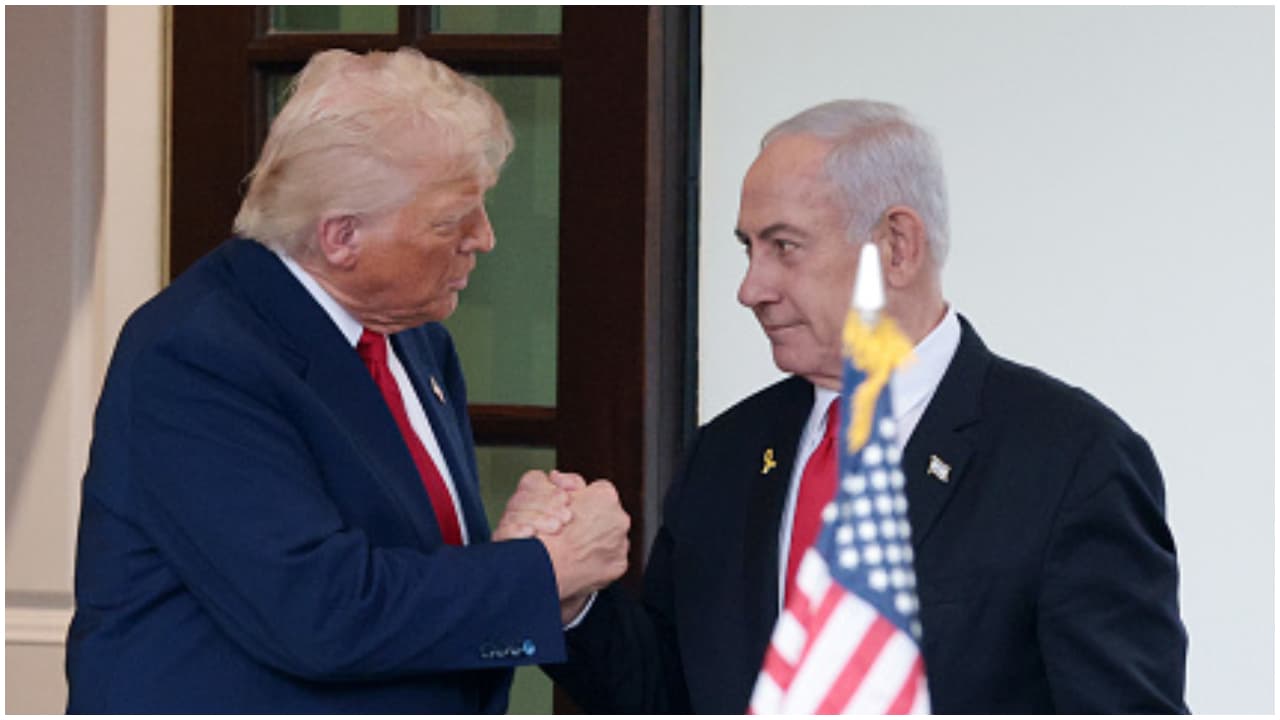
Meanwhile, Trump also addressed speculation about differences with Israeli Prime Minister Benjamin Netanyahu amid the ongoing campaign against Iranian targets. He insisted that coordination between Washington and Tel Aviv remained strong, even as diplomatic manoeuvring and military planning continued to evolve. Officials from both sides have emphasised the importance of maintaining a unified front while managing the risks of regional escalation.
The war has already triggered widespread geopolitical and economic consequences, including disruptions to global oil shipments and mounting humanitarian concerns. Trump has maintained a hardline stance, signalling that military pressure will continue despite suggestions that Iran may be open to negotiations under certain conditions.
As the conflict enters a critical phase, the debate over misinformation, strategic alliances and battlefield realities is likely to shape international perceptions and policy responses. Trump’s warnings underscore growing anxiety about how emerging technologies like artificial intelligence are transforming modern warfare—not only on the battlefield but also in the global information space.
Also Read: Japan Not Currently Mulling Maritime Ops Despite Trump Pressure Over Hormuz