Two Indian LPG carriers, Shivalik and Nanda Devi, have safely passed through the Strait of Hormuz with 92,700 MT of LPG, heading to Mundra and Kandla. The Shipping Ministry confirmed all Indian seafarers in the Persian Gulf region are safe.
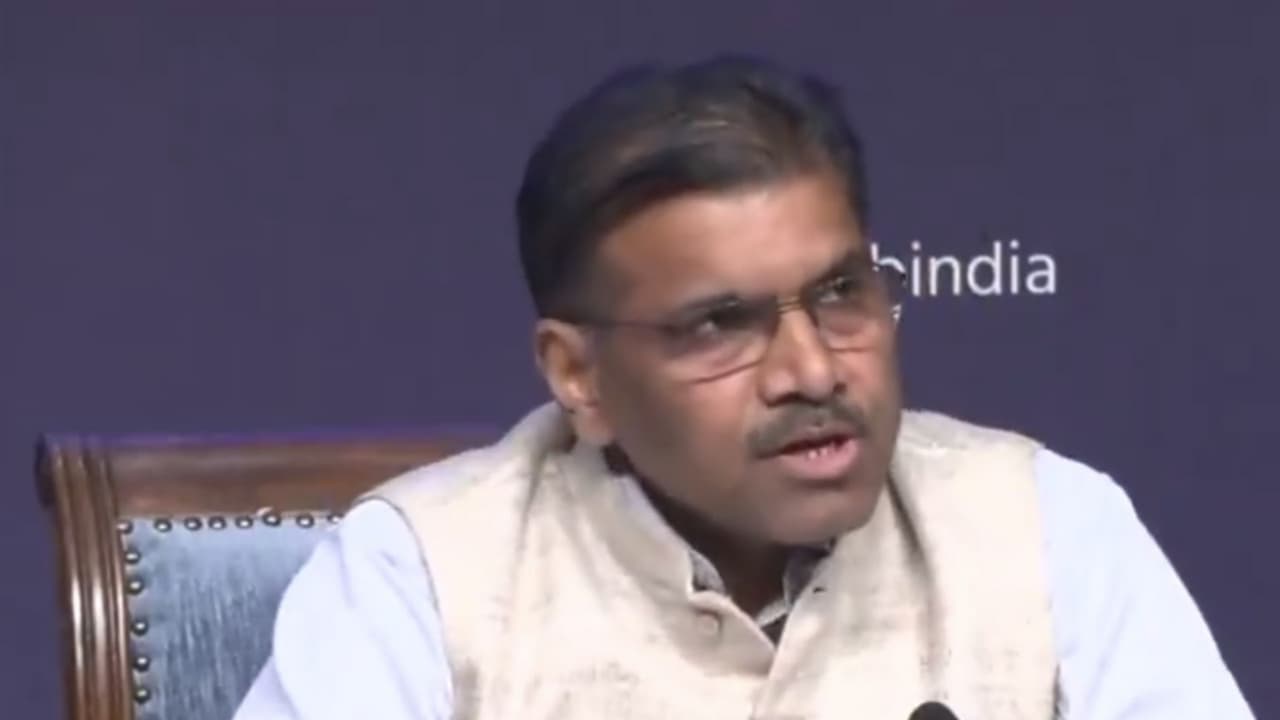
Two Indian flagged LPG carrying vessels have transited through the Strait of Hormuz and now are on their way to India with approximately 92,700 Metric Tons of LPG. Rajesh Kumar Sinha, Special Secretary in the Shipping Ministry on Friday informed that the vessels Shivalik and Nanda Devi are now expected on March 16 and 17.
Details on Safe Transit and Remaining Vessels
“All Indian seafarers in the Persian Gulf region are safe, and no untoward incidents involving them have been reported over the last 24 hours. There were 24 Indian-flagged vessels in the Persian Gulf, situated to the west of the Strait of Hormuz. Among these, two vessels–the Shivalik and the Nanda Devi, Indian-flagged vessels, both LPG carriers. They safely transited the Strait of Hormuz late last night/early this morning and are now proceeding towards India. These vessels are carrying approximately 92,700 metric tons of LPG; their ports of arrival will be Mundra and Kandla, with expected arrival dates of March 16 and March 17, respectively. Consequently, there are now 22 Indian-flagged vessels remaining in the Persian Gulf, carrying a total of 611 seafarers,” the secretary said.
Ministry’s Monitoring and Communication Efforts
The Secretary said that it is working in close coordination with ship owners to ensure safety of the Indian crew members. “The Ministry, specifically the Directorate General of Shipping (DG Shipping) is closely monitoring the situation regarding all these Indian-flagged vessels and the Indian seafarers on board, in coordination with ship owners, RPSN agencies, and Indian diplomatic missions. Over the past 24 hours, DG Com–the communication centre of DG Shipping received 312 phone calls and 460 emails. These communications were received from seafarers, their family members, and other stakeholders within the maritime sector, and appropriate responses have been issued. Looking at the past 15 days in this context, we have received over 2,500 phone calls and approximately 5,000 emails, all of which have been duly responded to,” he said.
Iran Reassures India on Passage Through Strait
Meanwhile, the representative of Iran’s Supreme Leader in India, Abdul Majid Hakeem Ilahi, on Saturday reiterated that Indian vessels would be allowed to pass through the strategically significant Strait of Hormuz amid the conflict in West Asia. Speaking in an interview with ANI, Ilahi responded affirmatively, “Of course, of course. Yes,” when asked whether Indian ships would be allowed to pass through the Strait.
When asked to elaborate on the matter, Ilahi said, “I heard that our embassy tried to provide an opportunity for some Indian ships to cross the Strait of Hormuz.” He further claimed that the Iranian leadership had been informed about expressions of sympathy from people in India and said Tehran was mindful of India’s energy needs. “They (Indians) show their loyalty to the oppressed people. Even with the children of the girls’ school, which is attacked by the United States, they show their sympathy, their solidarity. We informed our people in Iran of the sympathy and solidarity of our brothers and sisters in India. And we said that now also they are suffering from a shortage of gas and a shortage of petrol, and we have to provide for them and help them and support them,” Ilahi added.
Strategic Significance of the Waterway
More than 20 million barrels of crude oil pass daily through the narrow channel separating the Iranian coast from Oman. That volume represents roughly a fifth of global oil consumption and nearly a quarter of all seaborne oil trade. A significant share of the world’s liquefied natural gas also moves through the same passage. When that flow falters even briefly, the consequences cascade across financial markets, supply chains and household budgets around the world. (ANI)
(Except for the headline, this story has not been edited by Asianet Newsable English staff and is published from a syndicated feed.)