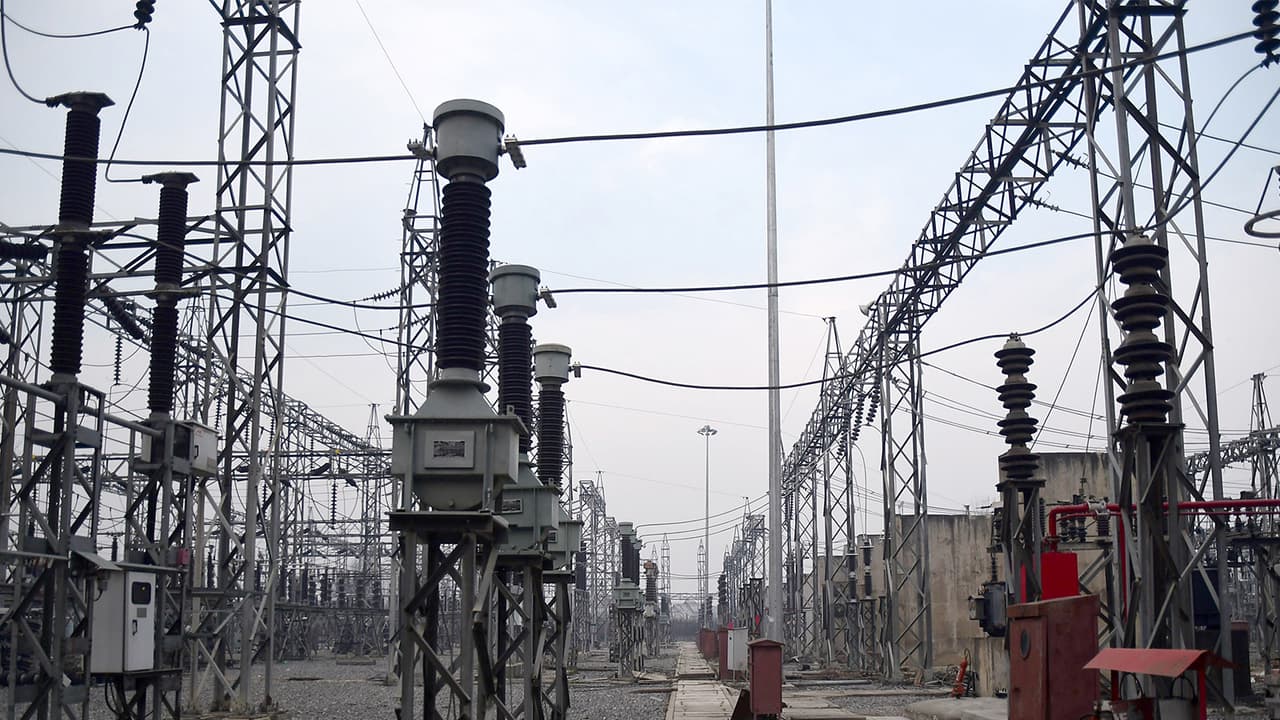
Delhi’s peak power demand is expected to cross 9000 MW this summer, up from 8442 MW last year. BSES discoms are preparing to meet the surge with 2670 MW of green power, power banking arrangements, and advanced forecasting technologies.
Delhi’s Summer Power Demand to Hit Record Highs
Delhi is expected to witness another significant rise in electricity demand this summer. According to the State Load Despatch Centre (SLDC), last year, Delhi’s peak power demand had clocked 8442 MW. This year, it is likely to cross 9000 MW.
The expected peak of over 9000 MW represents an increase of over 300 per cent compared to the 2879 MW recorded in 2002. Current trends suggest that Delhi’s peak power demand is likely to cross the 10,000 MW mark by 2028-2029.
BSES Outlines Comprehensive Summer Action Plan
Zonal Demand Projections
“Peak power demand in BRPL’s area of South and West Delhi, which had clocked 3798 MW during the summers of 2025, is expected to reach around 3997 MW during the summers of 2026. On the other hand, in BYPL’s area of East and Central Delhi, the peak power demand, which had reached 1824 MW during the summers of 2025, is expected to touch around 1991 MW this year,” BSES said in a statement.
Focus on Green Power
To manage this surge, BSES discoms are sourcing approximately 2670 MW of green power. Key contributors to this renewable portfolio include solar energy at 840 MW, hydro at 572 MW, and wind power at nearly 500 MW. Additionally, Pumped Storage Plants (PSP) will provide 312 MW, while rooftop solar installations are expected to contribute 250 MW. Hybrid sources and waste-to-energy plants will add 137 MW and 41 MW, respectively. The utility is also utilising a 20 MW Battery Energy Storage System (BESS) at Kilokri to support grid stability.
Strategic Power Banking and Procurement
BSES has finalised power banking arrangements with utilities in Kerala, Chhattisgarh, Manipur, and Mumbai. These arrangements, finalised well in advance, are part of a “structured summer preparedness strategy” aimed at “ensuring greater flexibility and reducing dependence on spot market purchases during peak demand periods”. During peak months, these banking links can provide up to 470 MW of support.
Furthermore, the discoms are adopting a “phased power procurement strategy to optimise costs while ensuring adequate availability of power”. Since peak demand typically occurs for “less than 10% of the time,” the utility plans to meet such spikes through Day-Ahead and Week-Ahead markets. For unforeseen contingencies, short-term power will be procured from exchanges.
Leveraging AI and Advanced Forecasting
To predict these fluctuations, BSES uses “advanced statistical forecasting models combined with state-of-the-art weather forecasting solutions,” including Artificial Intelligence and Machine Learning. These analytics assist in “high accuracy planning and efficient management of electricity demand”.
Network Reinforcement and Real-Time Management
To maintain the network, BSES has conducted extensive “predictive and preventive checks, including thermo-scanning, to identify potential hot-spots”.
The utility is also “actively utilising the Real Time Market on the power exchanges,” which assists in “balancing renewable energy supply and maintaining grid stability”. (ANI)
(Except for the headline, this story has not been edited by Asianet Newsable English staff and is published from a syndicated feed.)