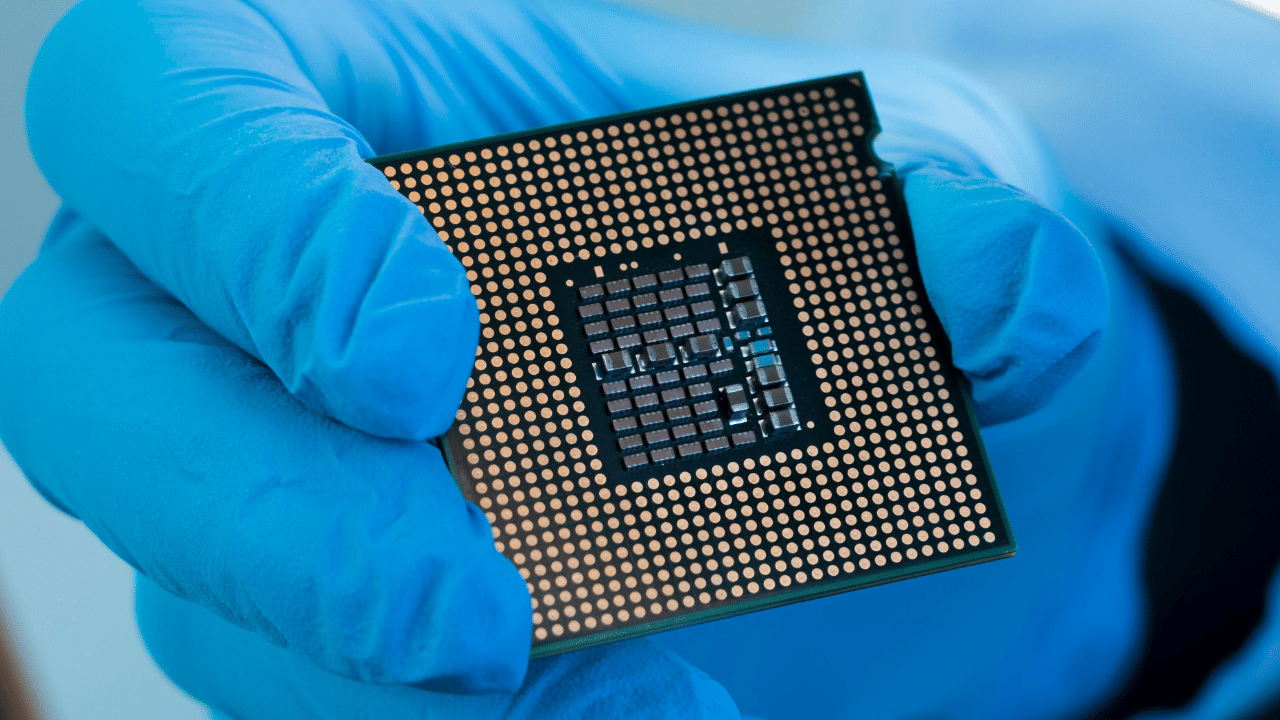
New Delhi: India is preparing to launch a new semiconductor support fund worth more than Rs 1 trillion (about $10.8 billion) as the government intensifies efforts to build a strong domestic chip manufacturing ecosystem. The suggested fund will be used to fund the projects of chip design, equipment manufacturing and development of semiconductor supply chains in the country, reported by Bloomberg.
Individuals conversant with the talks indicated that the initiative can be rolled out in the coming two to three months. The plan is still reviewing and can also change, and then it will be announced. The relocation is indicative of New Delhi’s increasing panic to curtail reliance on foreign supply of semiconductors besides establishing India as one of the greatest world electronic manufacturing centres.
Expanding India’s semiconductor strategy
The suggested fund is among the wider government initiatives to enhance the semiconductor industry in India. Chip manufacturing has become one of the pillars of technology and manufacturing policy of the country due to the priorities of Prime Minister Narendra Modi.
The world’s governments are spending a lot of money on the production of semiconductors so that they can secure their supply chains and service the growing demand by industries like artificial intelligence, smartphones, automobiles, and consumer electronics. The Indian initiative resembles others in the world, such as the United States of America’s CHIPS and Science Act of $52 billion and China’s massive state-funded semiconductor investment schemes.
Building on earlier incentives
India has already initiated a number of incentive schemes in order to establish investment in semiconductors. In 2021, the government declared a $10 billion programme to pay up to half of the expenses of installing semiconductor manufacturing plants.
That project assisted in launching a number of developments in the country. Micron Technology, a US-based company, is presently constructing a semiconductor assembly plant in Gujarat. The Tata Group is, meanwhile, building a semiconductor fabrication facility in the state, as well as a different chip packaging facility.
Attracting global tech manufacturers
India is also making several attempts to lure the global chipmakers using its vast engineering potential and government subsidies. This plan has a model that was used to attract large technology firms to increase production in the state.
India has been a huge boost to production by Apple, where approximately 25 per cent of its iPhones are being produced in the country. The government is hoping that with similar incentives, semiconductor companies will come to bid farewell to their usual manufacturing centres in the diversification of their supply chains.
Most of the current semiconductor projects being undertaken in India are aimed at manufacturing less advanced chips, which are utilised in ordinary electronics. The government, however, is looking forward to slowly transitioning to more advanced semiconductor production.
The long-term goal that New Delhi has set is to have chipmaking capacities that would match the top manufacturers like Taiwan, South Korea, and the United States by 2032. Technology Minister Ashwini Vaishnaw has already indicated that the country is planning to gradually raise the semiconductor value chain in the next 10 years.