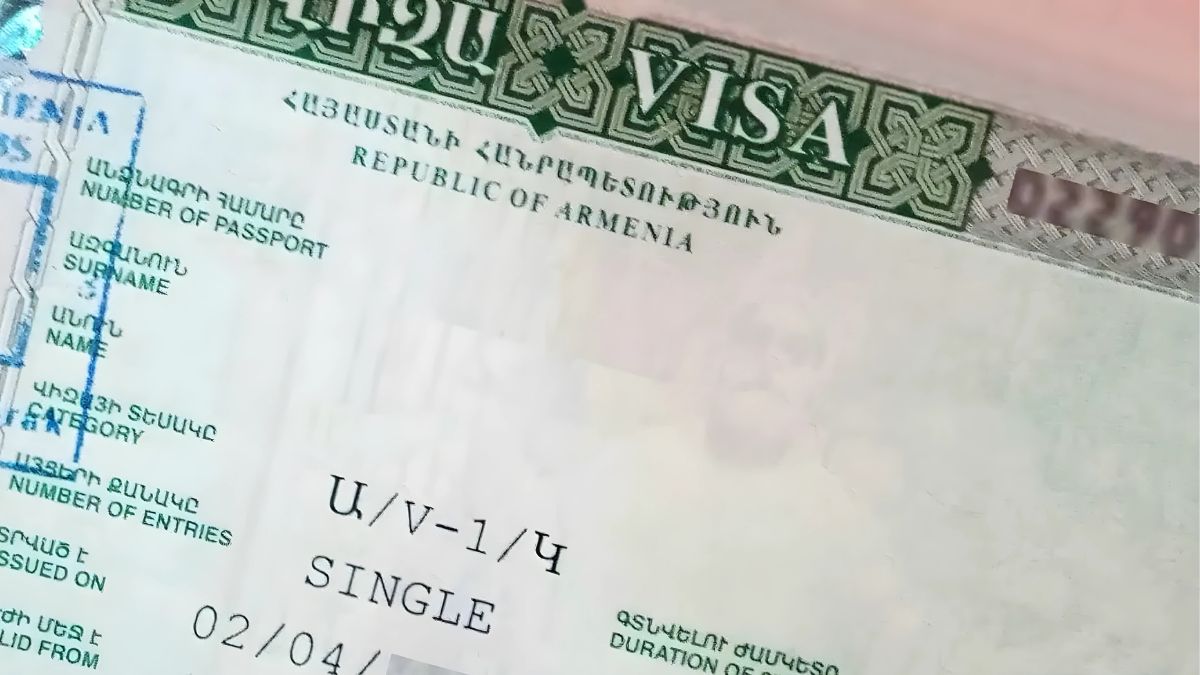
Armenia is preparing for a major overhaul of its immigration system that will change how foreign workers enter and live in the country.
The reforms were originally scheduled to begin on August 1, 2026. Authorities have now postponed the rollout. The new rules will officially take effect on November 1, 2026.
The changes introduce a new work visa system, online residence permit applications, employer notification rules, and a quota on foreign workers. Together, these reforms will reshape how international professionals and employers navigate Armenia’s immigration process.
Armenia to Introduce a New Work Visa System
One of the biggest changes is the creation of a dedicated work visa for foreign nationals.
At the moment, Armenia does not have a specific work visa. Many foreign workers enter the country on a visit visa, which allows short-term work while they apply for residence permits.
Under the new law:
- Foreign workers must obtain a work visa before applying for a temporary residence permit with work rights
- The visa will allow single or multiple entries
- It will permit stays of up to 120 days per year
- The application fee will be AMD 15,000
This change introduces an additional step for foreign workers. In simple terms, people who want to work in Armenia will now need two stages of permission: a work visa first, then a residence permit.
Labour Market Testing to Be Removed
Another major reform removes labour market testing from the work authorisation process.
Currently, employers may need to prove that a local Armenian worker is not available for a job before hiring a foreign employee.
Once the new law takes effect, this requirement will disappear.
For companies, this makes hiring international talent easier and faster. Employers will no longer need to justify why they are hiring a foreign worker instead of a local candidate.
However, this change is balanced by another rule that could limit hiring.
Armenia Plans Annual Quota for Foreign Workers
The government will introduce a national quota on foreign workers. Currently, Armenia does not limit the number of foreign employees that companies can hire.
Under the new immigration law, a yearly cap will apply. Authorities have not yet announced the exact numbers or how the quota will be divided across industries.
Depending on how it is implemented, this rule could make hiring foreign talent more difficult in sectors that already rely heavily on international workers.
Residence Permit Applications Moving Fully Online
Another practical change affects how residence permits are submitted. In the future:
- All residence permit applications must be submitted online
- Paper or in-person applications will no longer be accepted
- Work-based permits will be filed through a government portal
- Other residence permits will be submitted through a separate website
The goal is to make the system faster and easier. Applicants will be able to track their application status online instead of visiting migration offices.
For foreign residents, this should reduce long queues and paperwork.
New Investment Rules for Business-Based Residence Permits
The new law also introduces clear financial requirements for foreigners applying for a residence permit through business activity.
Applicants must meet one of the following conditions:
- Invest at least AMD 2,000,000 in company capital, shares, or securities in Armenia
- Register as an individual entrepreneur and maintain at least AMD 1,000,000 or show the same amount in business turnover within the previous 60 days
Under current rules, no minimum investment amount exists. This often leads to uncertainty because approvals depend heavily on migration authorities’ discretion.
The new thresholds aim to make the process more predictable.
New Rules When Changing Employers
Temporary residence permit holders will also face new reporting requirements.
If a foreign worker changes employers, they must:
- Notify Armenian authorities within 15 business days
- Submit their new employment contract through an online portal
At present, there is no formal notification rule for job changes.
This means foreign workers and employers will need to monitor compliance more closely.
Stricter Rules for Long Absences From Armenia
Another change concerns how long foreign residents can stay outside the country.
Under the revised law:
- Temporary and permanent residence permit holders must notify authorities if they spend more than 183 days outside Armenia within a 365-day period
A similar rule exists today, but officials are expected to enforce it more strictly once the new law takes effect.
Additional Changes Foreign Residents Should Know
The immigration reform includes several other updates:
1. Biometric Residence Cards
Foreign nationals will need to travel to Armenia to complete biometric procedures, including:
- Fingerprint registration
- Electronic signature capture
- Personal collection of the residence card
2. Direct Permanent Residence for Investors
Foreign investors and individuals considered to have exceptional skills will be able to apply directly for permanent residence, skipping the temporary permit stage.
3. New Permit for Scientists and Innovators
Authorities will introduce a special temporary residence permit for people involved in scientific or innovative work who hold a contract with an accredited research institution in Armenia.
4. End of the Special Residence Status
The current 10-year Special Residence Status permit will be abolished. Existing permits issued before the reform will remain valid until they expire.
What These Changes Mean for Foreign Workers
Armenia’s immigration reforms aim to modernise the system and make some processes clearer. But the new rules also introduce additional steps, especially the new work visa requirement and stricter reporting obligations.
For foreign professionals and companies planning to work in Armenia, the key date to watch is November 1, 2026, when the new immigration framework officially begins.
Anyone planning a move to Armenia in the coming year should closely follow updates, particularly regarding the upcoming foreign worker quota and online application platforms.
Follow and connect with us on Facebook, Twitter, LinkedIn, Instagram and Google News for the latest travel news and updates!