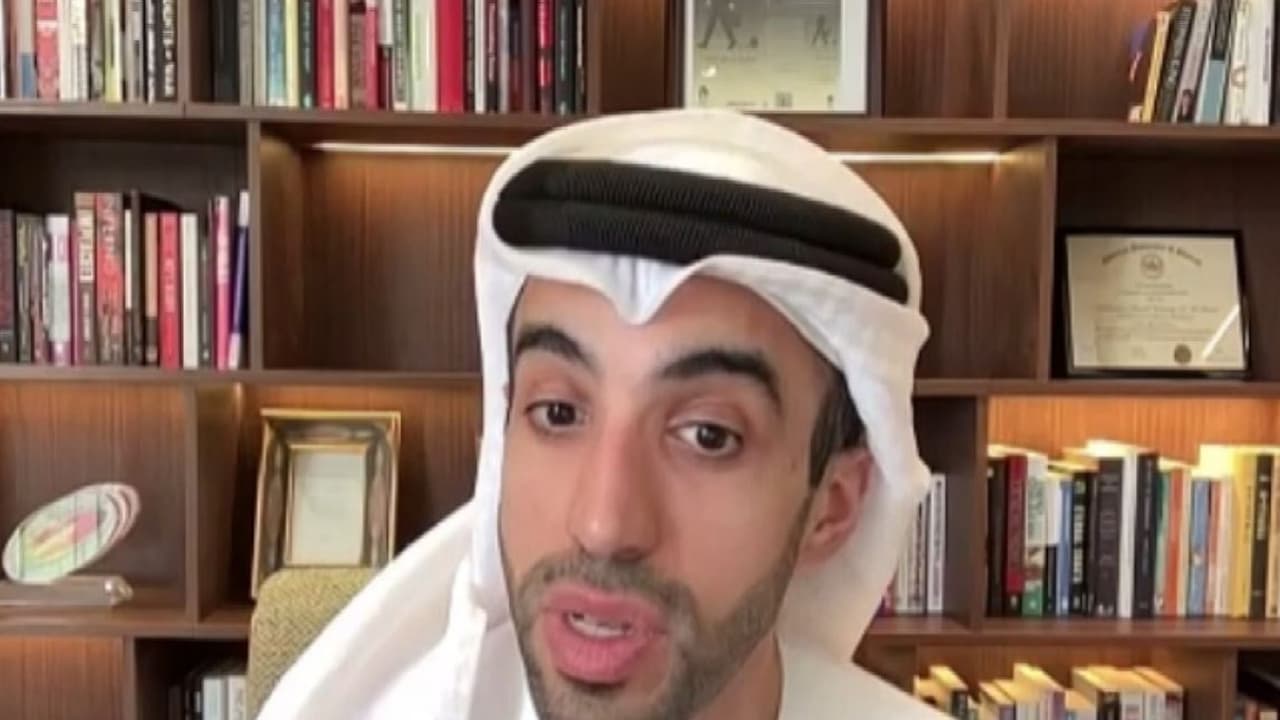
UAE Ambassador Alshaali praises India’s influence in West Asia, stating New Delhi’s call for de-escalation ‘matters’ and that Iran cannot ‘afford to ignore’ it. He welcomed PM Modi’s stance and stressed the UAE values actions over statements.
Emphasising India’s significant weight of influence in West Asia, UAE Ambassador to India Abdulnasser Jamal Alshaali on Tuesday said that India’s call for de-escalation amid the conflict “matters”, noting that Tehran cannot “afford to ignore” New Delhi.
Speaking to ANI in an interview, the Ambassador, while criticising Tehran’s continued strikes despite diplomatic messaging, welcomed Prime Minister Narendra Modi’s call for immediate de-escalation.
‘UAE Assesses Actions, Not Statements’
Alshaali further said that the UAE evaluates actions rather than statements and called for an immediate and unconditional halt to the strikes when asked about Iran issuing apologies to Gulf neighbours, even as strikes continue. “To be very clear, the UAE assesses actions, not statements. What we have seen is attacks continuing despite diplomatic language, which underscores the importance of concrete and immediate steps rather than just words,” the Ambassador said.
“For the UAE, genuine de-escalation means one thing above all: these attacks must cease immediately and unconditionally. The UAE’s sovereignty, security, and territorial integrity are non-negotiable. India’s voice matters here, obviously. And when Prime Minister Modi calls for de-escalation and expresses India’s solidarity with the UAE, that carries weight, not just because of the scale of the bilateral relationship, but because India is a country that Iran cannot afford to ignore,” he added.
Call for International Condemnation
The UAE Ambassador added that India’s engagement and its calls for restraint contribute to broader international pressure for stability in the region. He also urged the international community, particularly the United Nations Security Council, to condemn the attacks and take steps to prevent further escalation, further stating that the country retains the right to defend itself under international law.
“India’s engagement in calling for restraint is part of the international pressure that the UAE values and welcomes. Beyond that, the UAE calls on the international community, particularly the UN Security Council, to condemn these attacks and take the measures necessary to prevent their recurrence. The UAE reserves its full and legitimate right under Article 51 of the UN Charter to deter aggression. The UAE has chosen restraint. That restraint should not be mistaken for vulnerability. Our preference has always been and remains stability, diplomacy, and peace,” he added.
Heightened Tensions in West Asia
The development comes amid heightened tensions in West Asia after the killing of 86-year-old Iran’s Supreme Leader, Ayatollah Ali Khamenei, in joint military strikes by the US and Israel on February 28, following which Iran, in its retaliation, targeted Israeli and US assets in several Gulf countries. The US-Israel strikes also killed several senior leaders of the Islamic Republic. (ANI)
(Except for the headline, this story has not been edited by Asianet Newsable English staff and is published from a syndicated feed.)