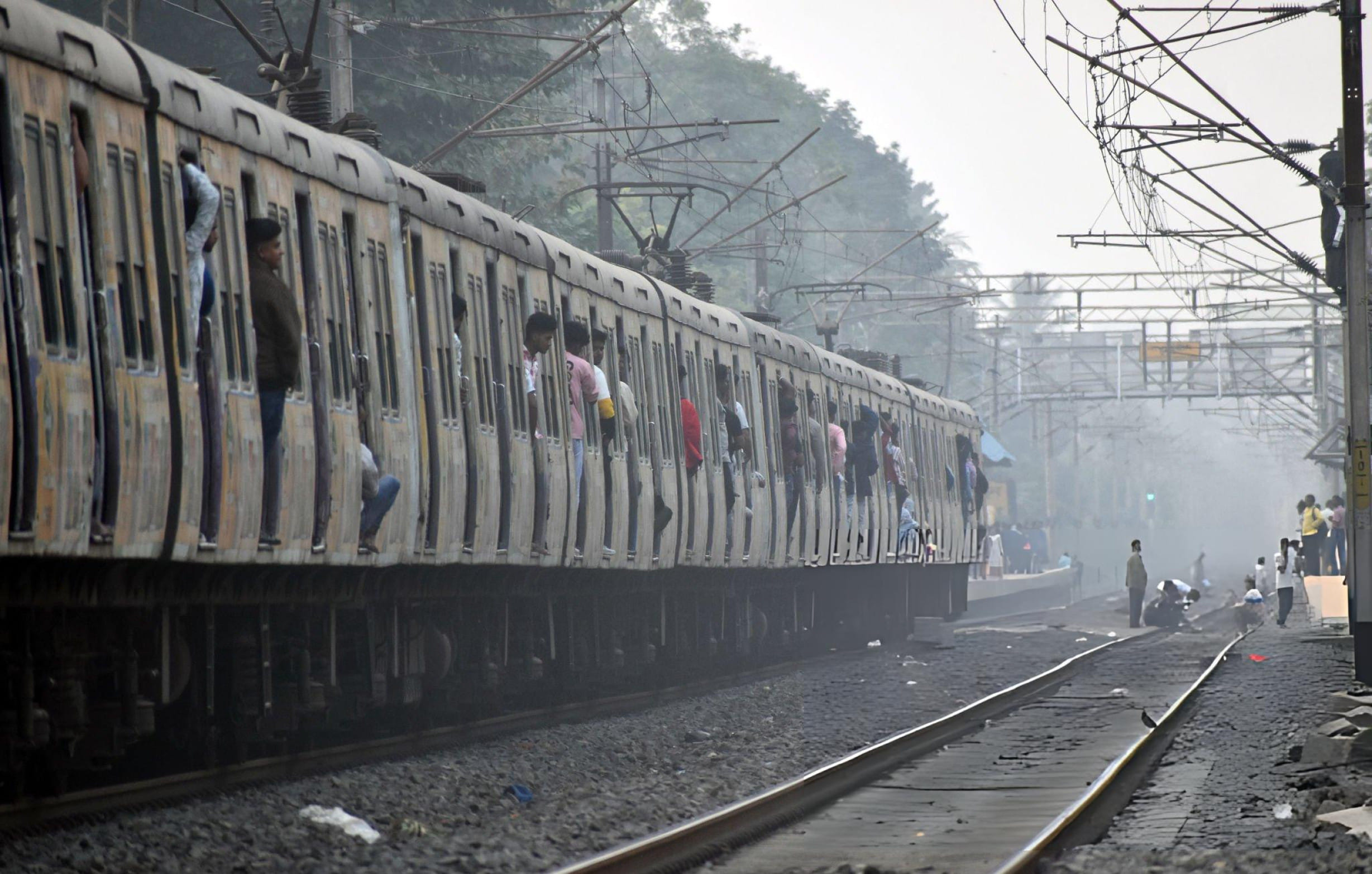
New Delhi: The BJP-led Centre on Tuesday approved two railway expansion projects in eastern India with an estimated cost of Rs 4,474 crore. The announcement comes just ahead of the Assembly elections slated to be held in West Bengal in the next few months. The BJP has been working on making electoral inroads into the poll-bound state and is sparing no stone unturned to woo the masses.
Indian Rail network to grow by 192 km
According to an official statement issued on Monday, the projects will add about 192 km of new railway lines across parts of West Bengal and Jharkhand. The additional tracks are expected to ease congestion on several busy routes and improve overall train operations. The decision was taken by the Cabinet Committee on Economic Affairs, chaired by PM Modi. Officials said that the plan is to complete the projects by 2030-31.
Extra tracks on key routes
The plan involves laying a fourth railway line on two important corridors: Sainthia to Pakur, and Santragachi to Kharagpur. These routes handle a large number of passenger trains along with heavy freight traffic. Railway officials say the extra tracks will help reduce delays and make train movement more efficient.
The expansion is part of the PM Gati Shakti National Master Plan, which aims to improve connectivity and logistics through coordinated infrastructure development.
Over 5K villages and tourist centres to benefit
The railway lines will pass through five districts across the two states. Nearly 5,652 villages, with a combined population of around 1.47 crore, could benefit from better rail connectivity, according to official estimates. Improved access is also expected to help tourism in the region. These routes pass through locations like Bolpur-Shantiniketan, Tarapith, and the Nandikeshwari temple. Natural attractions like Dhadika Forest and the Bhimbandh Wildlife Sanctuary are also located nearby.
Freight movement expected to rise
These railway corridors play an important role in transporting commodities such as coal, stone, cement, iron and steel, foodgrains and petroleum products. With the additional tracks in place, the railways expect freight capacity on these routes to increase by about 31 million tonnes each year.
Officials say greater use of rail transport could reduce logistics costs and cut oil consumption by around 6 crore litres annually. It may also lower carbon emissions by nearly 28 crore kg, which, the government says, is roughly equal to planting about one crore trees.