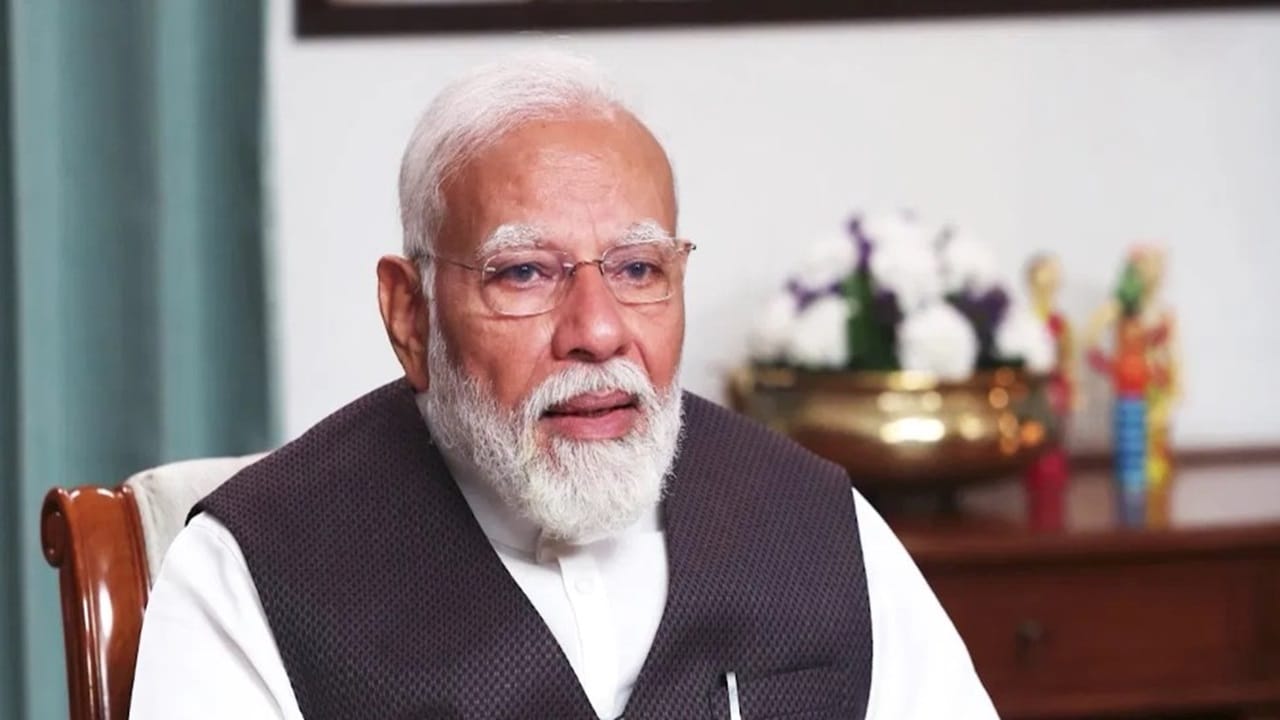
New Delhi: Hussain Hassan Mirza, the first UAE Ambassador to India, has identified Prime Minister Narendra Modi as a uniquely positioned figure who could single-handedly de-escalate the volatile situation between Israel and Iran.
In an interview with India Today TV, Mirza emphasised that India’s diplomatic “sweet spot”, maintaining strong, high-level ties with both adversaries, makes a direct intervention not just possible, but potentially decisive.
Factor in diplomatic weight and rationale
PM Modi’s strategic visit to Israel took place just 10 days ago, underscoring a close partnership.
Iran Connection India remains a top purchaser of Iranian oil and maintains a robust historical relationship.
The “Simple” Solution Mirza said, “One phone call from Mr Modi will solve the problem.”
The UAE relies on Indian leadership to protect the millions of Indian expatriates who have built the UAE’s infrastructure over the last 80 years, he said.
From junior partner to world-builder
While the Middle East seeks immediate mediation, South Africa is looking at India through a long-term civilizational lens. Speaking at the 2nd annual India-South Africa Business Conclave in Pretoria, South African Deputy Minister of Trade and Industry Zuko Godlimpi argued that the post-World War II global order is “dithering on the brink of collapse.”
Godlimpi noted that India has undergone a fundamental transformation in its global standing. He mentioned that India has emerged as a “junior partner” in the post-WWII international system. Speaking about India’s current role, he said it is now acting as a “senior partner” with a mandate to co-create a new international framework.
He said that India is no longer inheriting a world order; it is tasked with designing the next one.
The ‘terrible twins’ and the Global South alliance
The diplomatic synergy between India and South Africa has earned them a distinctive reputation on the world stage, particularly within the World Trade Organisation (WTO). Godlimpi described the two nations as “strategic partners in development” rather than mere trading allies.
“In all discussions about global development, South Africa and India insist on defending the strategic perspective of the Global South, on the principles of fair and equitable international trade, and that the views of the developing world must be taken as seriously as those countries with much bigger economic muscle,” he said.