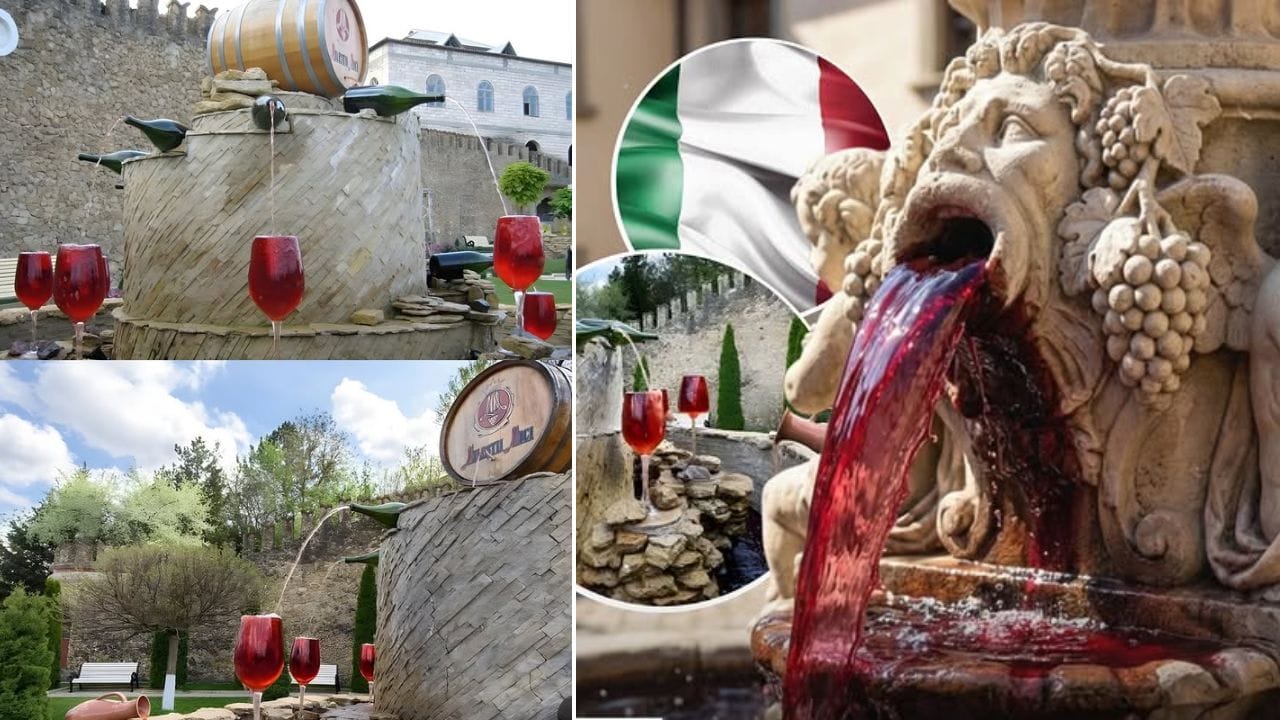
New Delhi: In a quiet corner of Italy’s Abruzzo region, a small town offers visitors something few places in the world can claim: a public fountain that pours free red wine. Known as Fontana del Vino, the unusual attraction was installed by the Dora Sarchese winery in Caldari di Ortona. Inaugurated in 2016, Fontana del Vino was designed by architect Rocco Valentini and features a rustic, walk-in design housed inside a massive wooden wine barrel with two brass taps over a stone basin. The fountain runs throughout the day and night, welcoming travellers with a simple push of a button.
While anyone may take a sip, the gesture is especially meaningful for those walking the Cammino di San Tommaso, a historic pilgrimage route linking Rome to Ortona. The idea reflects local pride in wine-making heritage and a spirit of hospitality deeply rooted in the region. There are no bottles to fill and no excess encouraged; the experience is designed to be savoured in moderation. More than novelty, the fountain symbolises community, tradition and Abruzzo’s enduring relationship with vineyards and visiting pilgrims.
All about Fontana del Vino in Abruzzo
Origins of Abruzzo’s Fontana del Vino
Fontana del Vino stands in Caldari di Ortona, a small commune in Italy’s Abruzzo region. Installed by Dora Sarchese winery in 2016, the fountain pours red wine free of charge, 24 hours a day. It operates like a push-button drinking fountain, offering visitors a simple glass rather than a takeaway experience.
The initiative is open to everyone, though it was created mainly to refresh walkers on the Cammino di San Tommaso pilgrimage route linking Rome and Ortona. The emphasis remains on moderation. Bottles are not permitted, and the idea centres on experience, not excess.
Wine, pilgrimage and regional pride
Caldari di Ortona lies in an area closely associated with Montepulciano d’Abruzzo Colline Teramane DOCG, one of central Italy’s respected wine denominations. The fountain reflects Abruzzo’s deep-rooted wine culture and its tradition of hospitality.
Thousands of pilgrims walk the Cammino di San Tommaso each year. For many, the fountain marks both a physical pause and a symbolic welcome into a region shaped by vineyards and community ties.
Inspired by European wine traditions
The concept draws inspiration from Spain’s Bodegas Irache wine fountain in Navarra, located along the Camino de Santiago. That fountain also offers wine to pilgrims as part of a long-standing tradition.
Europe has seen similar spectacles before. Venice once installed a temporary wine fountain in St Mark’s Square during Carnival. Marino, south of Rome, allows wine to flow during its annual grape festival.
Historical records from the UK’s Royal Collection Trust even describe a wine fountain created for the 1520 meeting between Henry VIII of England and Francis I of France. A painting of the event depicts courtiers gathered, and some slumped, beside the flowing wine.
Things to do around Fontana del Vino
1. Walk Cammino di San Tommaso
The fountain is a recognised stop on this historic pilgrimage stretching from Rome to Ortona. The route combines spiritual heritage with scenic countryside.
2. Explore Ortona
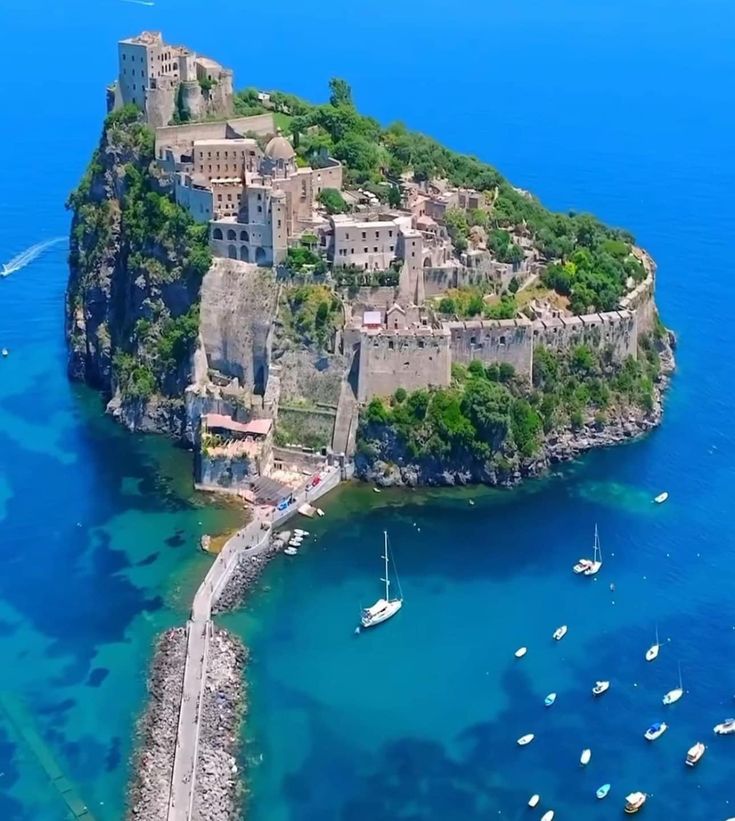
Visit Castello Aragonese for coastal views and Basilica di San Tommaso Apostolo, a significant religious landmark housing relics of Saint Thomas.
3. Relax along the Abruzzo coast
Spend time at beaches near Stabilimento Balneare La Riccetta or visit Moro River Canadian War Cemetery, a poignant World War II memorial site.
4. Discover historic quarters
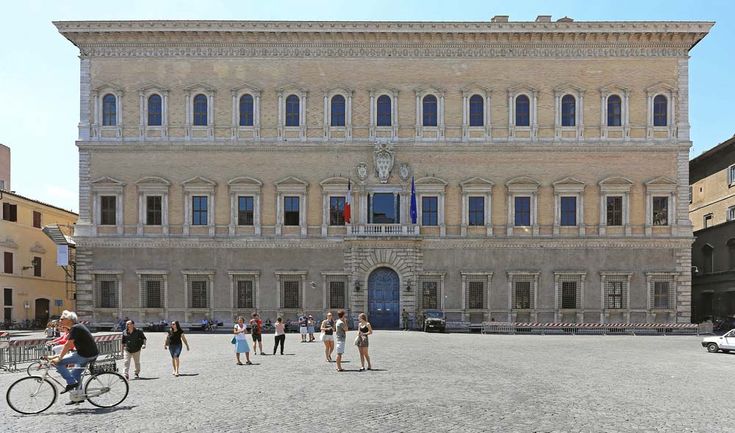
Explore Palazzo Farnese and Quartiere medioevale di Terravecchia, where cobbled streets and stone buildings preserve Ortona’s medieval character.
In Abruzzo, Dora Sarchese maintains that the fountain is not intended to encourage drunkenness. It stands instead as a gesture to the town, a symbol of generosity, heritage and a region where wine remains part of everyday culture.
In Abruzzo, however, the message is clear. The fountain stands not as a spectacle, but as a gracious nod to travellers and to a region where wine, welcome and community remain closely intertwined.