New Delhi: In the rush to stay healthy, many women turn to supplements as a quick solution for fatigue, weak immunity or hormonal imbalance. While certain deficiencies do require medical guidance, daily nutrition is often overlooked. Real food carries fibre, antioxidants and natural compounds that work together in ways isolated tablets cannot fully replicate. Small, consistent dietary changes can influence energy levels, digestion, skin health and metabolic balance more effectively than occasional pills.
Instead of spending heavily on multiple bottles, focusing on wholesome ingredients can deliver similar support more sustainably. Seeds, nuts, fermented foods and fresh produce provide nutrients in forms that the body recognises and absorbs efficiently. Choosing seasonal and affordable options also makes healthy eating practical rather than complicated. Building meals around these ingredients encourages long-term habits that feel manageable and realistic. Before reaching for another supplement, consider what your plate already offers.
Nutrient-rich foods instead of supplements
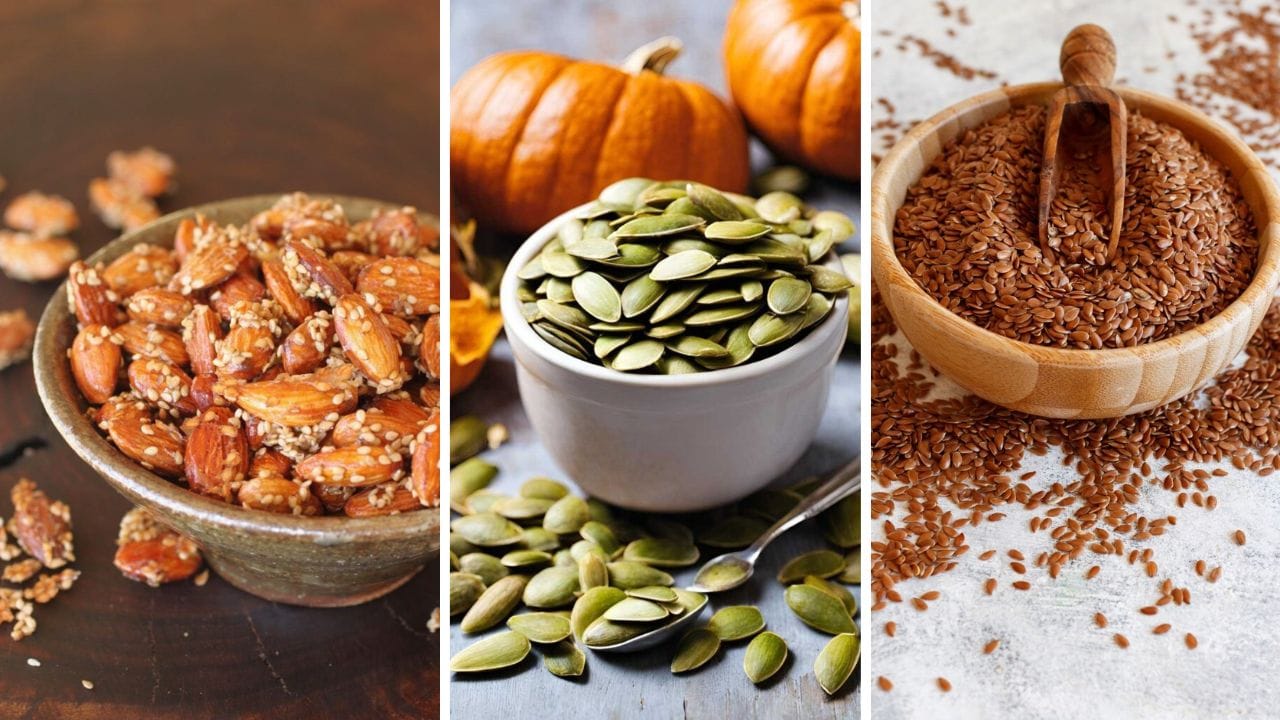
1. Sesame seeds and almonds instead of calcium tablets
Both are rich in calcium and healthy fats that support bone strength. Adding them to porridge, salads, or chutneys offers steady intake without relying solely on tablets.
2. Dairy products and eggs instead of Vitamin B12 tablets
Milk, yoghurt, paneer and eggs are reliable natural sources of Vitamin B12. Including them regularly helps maintain nerve health and energy levels.
3. Pumpkin seeds and dark chocolate instead of magnesium tablets
Pumpkin seeds provide magnesium that supports muscle function and stress balance. A small portion of high-cocoa dark chocolate adds similar benefits while satisfying sweet cravings.
4. Amla and capsicum instead of Vitamin C tablets
Fresh amla and brightly coloured capsicum are packed with Vitamin C and antioxidants that strengthen immunity and improve skin health.
5. Garden cress seeds and dates instead of iron tablets
Garden cress seeds, soaked and added to meals, are traditionally valued for iron content. Paired with dates, they can support haemoglobin levels naturally.
6. Rice kanji and curd instead of probiotic capsules
Fermented rice water and fresh homemade curd contain beneficial bacteria that promote gut balance and digestion without costly probiotic supplements.
7. Chia, flax seeds and walnuts instead of fish oil
These plant-based options provide omega-3 fatty acids. They are free from mercury concerns and are often more economical, making them a practical addition to everyday meals.
Thoughtful food choices made daily can gradually strengthen overall well-being. Real nourishment often begins in the kitchen rather than in the supplement aisle.