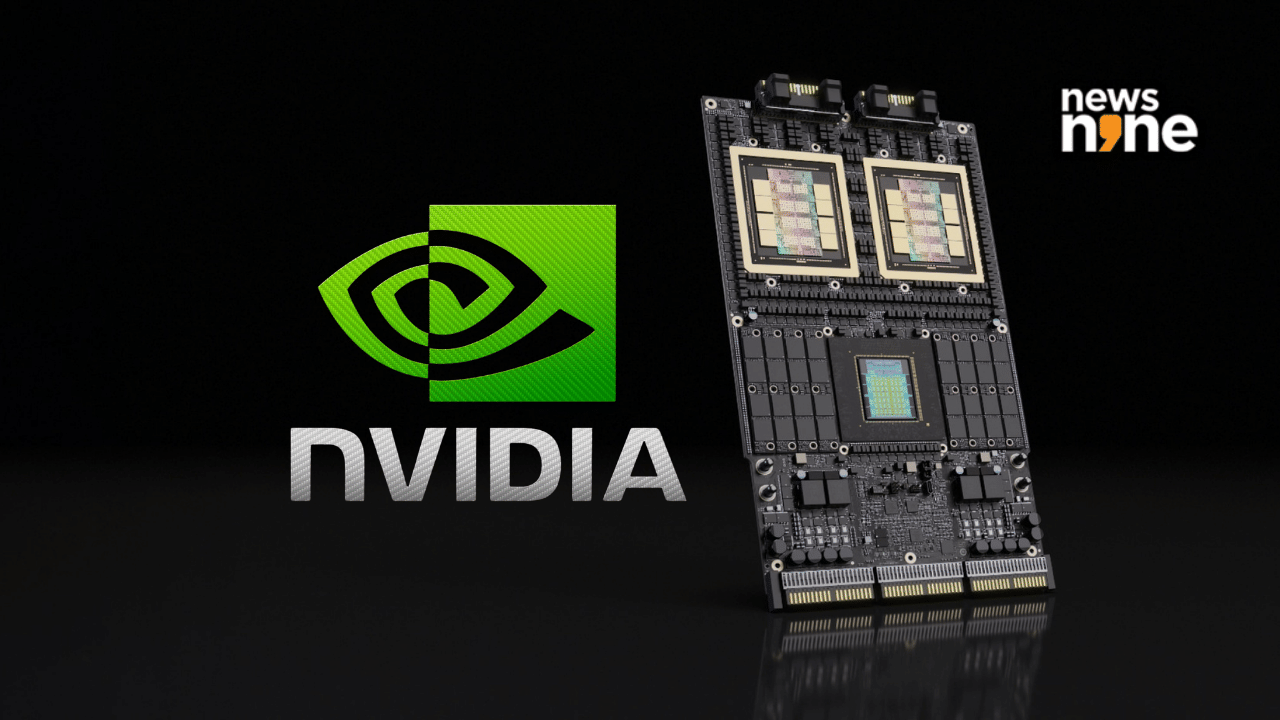
New Delhi: Nvidia has officially ceased to manufacture its H200 artificial intelligence chips that were meant to be sold to the Chinese market, which is an indication that it has changed strategies considering the current export ban and unpredictable demand. The relocation is indicative of the complicated policy landscape of advanced semiconductor sales to China.
A report by the Financial Times has indicated that the company has shifted the manufacturing capacity at Taiwan Semiconductor Manufacturing Company (TSMC) to its next-generation AI hardware platform, Vera Rubin. The move indicates that Nvidia is focusing on the future chip architecture rather than short-term sales in China, which are constrained.
Movement of production to Vera Rubin platform
Individuals close to the situation cited that Nvidia has reallocated the production lines of TSMC to the H200 chip line. The resources will now be utilised to produce the next-generation Vera Rubin hardware used in the company that will be the power source of future AI systems instead.
There was a lack of independence in verifying the report. TSMC refused to comment on the issue, and Nvidia could not respond to the calls of clarification immediately.
Avoidable future of H200 sales in China
This change is soon after Nvidia announced that it had been licensed by the U.S. government to export limited quantities of H200 chips to its Chinese customers. Nonetheless, the company seems to anticipate low demand in the offing because of regulatory obstacles and limitations.
The official of the U.S. Commerce Department recently stated that Chinese customers had not yet purchased any of the H200 produced by Nvidia. The sales have stalled mostly in spite of the earlier this year approval by the administration of U.S. President Donald Trump that they could be sold, but compliance guardrails have been established in the process of export.