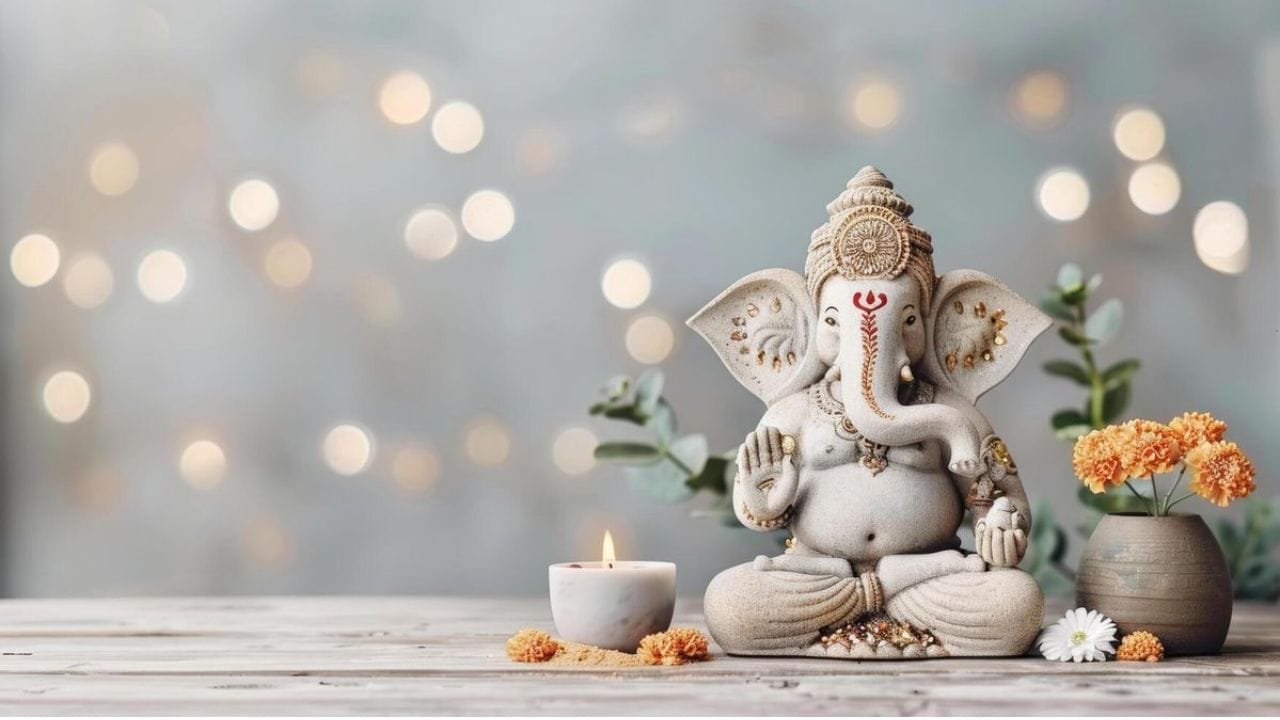
New Delhi: Bhalachandra Sankashti Chaturthi is a sacred day dedicated to the worship of Lord Ganesha, the remover of obstacles and the giver of wisdom. Every month, devotees observe Sankashti Chaturthi during the Krishna Paksha, but the Sankashti that falls in the month of Phalguna holds special importance and is known as Bhalachandra Sankashti Chaturthi.
In 2026, many devotees are uncertain about the correct date of this fast. Some calendars mention March 6, while others mention March 7. This confusion arises from the overlap of the Chaturthi tithi between two days. Understanding the Panchang rules helps clarify the correct observance date.
Bhalachandra Sankashti Chaturthi 2026 date
According to the Hindu Panchang, Bhalachandra Sankashti Chaturthi will be observed on Friday, March 6, 2026. The rule for observing Sankashti Chaturthi is based on the moonrise during Chaturthi tithi. Devotees keep the fast on the day when the moonrise occurs while the Chaturthi tithi is still prevailing.
In 2026, the moonrise connected with the Chaturthi tithi occurs on March 6, which is why the vrat will be observed on this day, even though the tithi continues into the following evening.
Chaturthi Tithi and Moonrise time
Based on Panchang calculations for New Delhi, the important timings are as follows:
- Chaturthi Tithi Begins: March 6, 2026 at 5:53 pm
- Chaturthi Tithi Ends: March 7, 2026 at 7:17 pm
- Moonrise Time: Around 9:14 pm to 9:31 pm on March 6
Devotees keep the fast during the day and break it only after sighting the moon at night. The moonrise moment holds special significance, as the Sankashti fast concludes after offering prayers to the moon and Lord Ganesha.
Meaning of Bhalachandra Sankashti
Each Sankashti Chaturthi is associated with a specific form of Lord Ganesha. The Sankashti that falls during the Krishna Paksha of the Phalguna month is called Bhalachandra Sankashti. The word Bhalachandra means “the moon on the forehead.” In this form, Lord Ganesha is believed to carry cool, calming energy on his forehead. Symbolically, this form represents clarity of mind, emotional balance, and divine protection. Devotees believe that worshipping Lord Ganesha in this form helps remove confusion and brings peace during difficult situations.
Religious significance of Sankashti Chaturthi
Sankashti Chaturthi holds deep spiritual meaning in Hindu tradition. The word Sankashti itself means “freedom from troubles.” Observing this vrat is believed to remove obstacles, reduce hardships, and bring success in personal and professional life. Many devotees observe Sankashti Chaturthi every month with deep devotion. According to traditional belief, those who perform this fast regularly receive Lord Ganesha’s blessings for stability, wisdom, and prosperity.
Some families also follow a long tradition of observing the fast for four years or thirteen years continuously. After completing this period, a concluding ritual called Udyapan is performed to formally complete the vow.
How to observe Bhalachandra Sankashti Chaturthi vrat
The observance of Sankashti Chaturthi begins early in the morning. Devotees wake before sunrise, take a bath, and make a vow to keep the fast with faith and discipline. Throughout the day, many devotees follow a nirjala vrat (without food or water), while others observe a fruit fast. The day is spent remembering Lord Ganesha, chanting mantras, or reading sacred texts related to him. In the evening, devotees prepare for the puja. A small altar is arranged with an idol or picture of Lord Ganesha.
Offerings Bhalachandra Sankashti Chaturthi
- Durva grass
- Flowers
- Roli and rice
- Incense and lamp
- Sweets such as modak or laddoo
After the moon appears in the night sky, devotees offer arghya (water) to the moon and then perform the final prayer to Lord Ganesha. Only after completing this ritual do they break their fast and consume prasad.
Bhalachandra Sankashti Chaturthi in 2026 will be observed on March 6, as the moonrise connected with the Chaturthi tithi occurs on this day. The fast is dedicated to Lord Ganesha and is observed with devotion, prayer, and discipline. For devotees, this sacred day is not only about fasting but also about seeking inner clarity, removing obstacles, and inviting peace and prosperity into life through the blessings of Lord Ganesha.
Written by: Tanya Singh
For feedback, please write to [email protected].