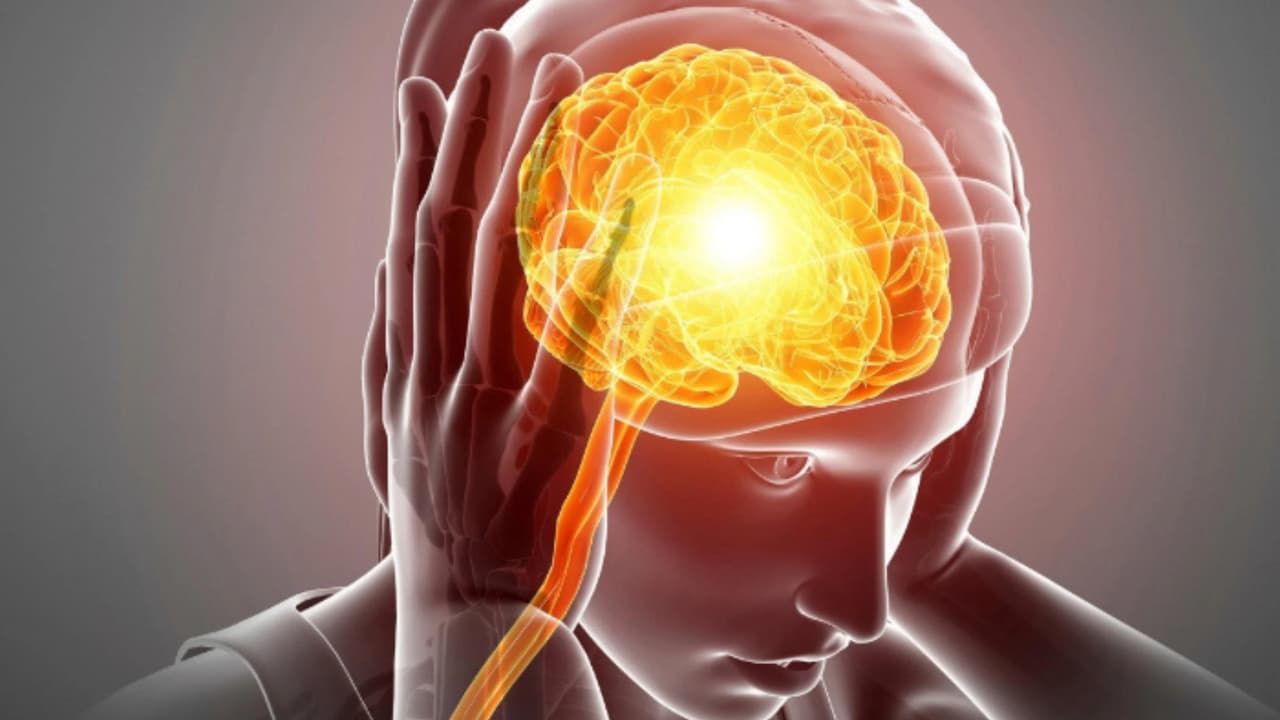
Headache Symptoms: Frequent headaches are not just fatigue but can also be a warning signal of the body. Know the causes of headache, symptoms of tension headache, migraine, sinus and cluster headache, when to visit a doctor and easy ways to prevent it.
Symptoms of Headache: Headache is not a disease, but an alarm of our body. This means something is happening in the body that needs to be alerted. Sometimes this happens due to lack of sleep, sometimes due to stress, and sometimes due to some other disease. Most headaches are normal and go away with some rest or drinking water. But if the headache is frequent or severe, then it is not right to ignore it.
Why does headache occur?
There are many reasons for headache. As –
1. Stress
Stress in a busy life is the biggest cause of headache. When you take too much tension, the muscles of the head and neck become tense, due to which headache starts. Like office work, exam pressure or family tension.
2. Lack of sleep
If you do not take 7-8 hours of sleep every day, then the mind is not able to rest properly. Due to this, the head starts feeling heavy as soon as you wake up in the morning. Like using mobile till late night and getting up early in the morning.
3. Dehydration
When there is less water in the body, the supply of oxygen and nutrients to the mind gets affected. Its effect is visible in the form of headache.
Like – not drinking water for a long time in summer.
Also read: Why is the idol of Lord Jagannath incomplete? Behind this is the interesting story of King Indradyumna and Vishwakarma.
4. Staying hungry for a long time
Not eating food on time reduces blood sugar. This also causes headache. Like- skipping breakfast.
5. Too much pressure on eyes
Eyes get tired by continuously looking at computer, mobile or TV. This also causes headache. Like working on laptop continuously for 5-6 hours.
There are many types of headache…
- Tension Headache: This is the most common headache. In this, a feeling of tightness or pressure is felt on the head.
- Migraine: In this, there is a very strong pain in one part of the head. Sometimes vomiting, nausea and bright light also cause problems.
- Sinus Headache: Pain in the head and face occurs due to nasal congestion, swelling or infection in the sinuses.
- Cluster Headache: This occurs in less number of people, but the pain is very severe. Pain is usually felt around one eye.
When can a headache become dangerous?
- sudden severe headache
- fainting with headache
- having trouble speaking or walking
- high fever and stiff neck
- pain after head injury
- persistent headache for several days
How to avoid headache?
- Take 7-8 hours of sleep every day.
- Drink plenty of water throughout the day.
- Have meals on time.
- Do yoga and meditation to reduce tension.
- Take a break from the mobile or computer screen every 30-40 minutes.
Example: Suppose the engine warning light comes on in your car. It is not a problem in itself, rather it indicates that there is something wrong somewhere. Similarly, headache is also an alert system of the body, which tells you that you need rest, water, right food or doctor.
Some facts related to headache
- According to WHO, about 40% of adults suffer from some type of headache each year.
- According to Migraine Research Foundation, more than 1 billion people in the world are affected by migraine.
- Migraine is found to be almost 3 times more common in women than in men.
- According to the International Headache Society, about 70% of people suffer from tension headaches at some point in their lives.
- According to the Global Burden of Disease Study, migraine is one of the leading causes of disability in the world, especially among people aged 15–49 years.
Also read: What is CIBIL Score? What is the main reason for poor CIBIL score? How to make 750+ CIBIL Score? Know everything…
Content Source: WHO, International Headache Society (IHS), Migraine Research Foundation, Mayo Clinic, MedlinePlus (US National Library of Medicine)