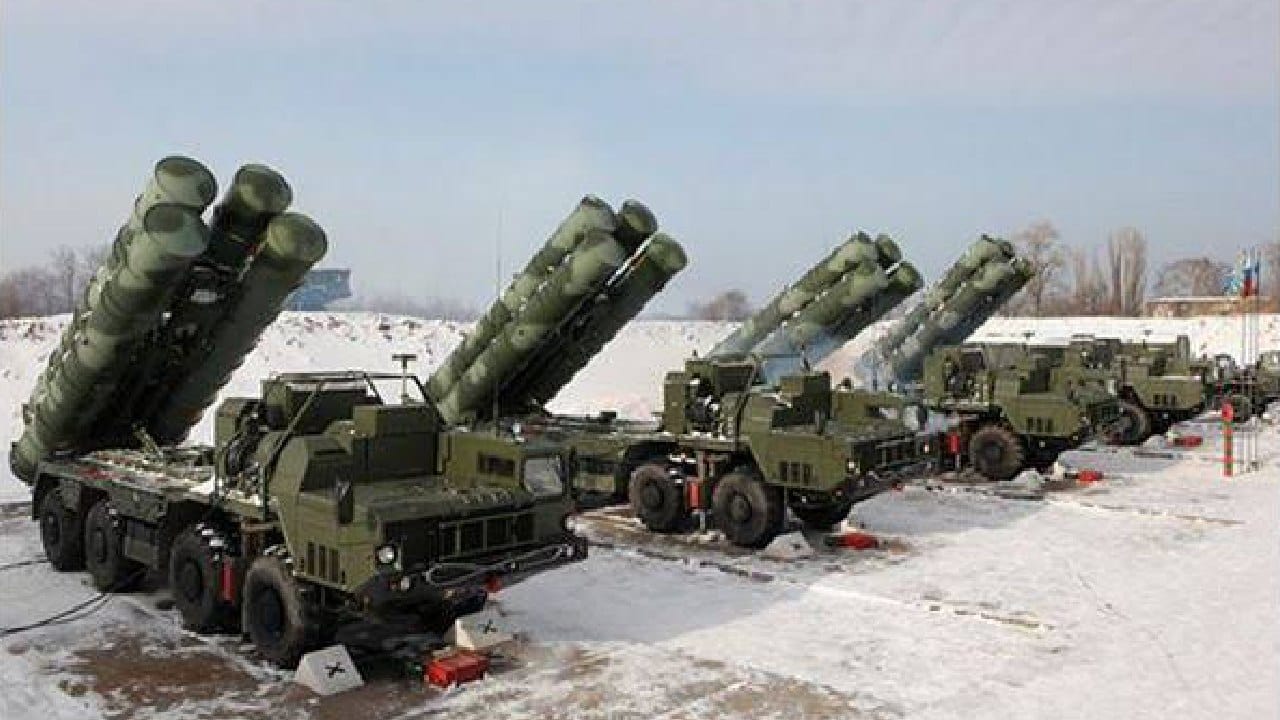
New Delhi: The Defence Procurement Board has cleared a proposal by the Indian Air Force to purchase five more S-400 air defence systems from Russia, according to people familiar with the development. The approval came during a meeting of the board chaired by Defence Secretary Rajesh Kumar Singh.
The proposal will now go to the Defence Acquisition Council headed by Defence Minister Rajnath Singh. The council must grant acceptance of necessity before the procurement process moves forward.
Once this approval is granted, a cost negotiation committee will decide the final price of the systems. The proposal will then require approval from the Cabinet Committee on Security after financial clearance from the Finance Ministry.
India’s existing S-400 deployment
India already operates three S-400 systems and expects two more to join the armed forces later this year. The system forms an important part of India’s layered air defence network.
Officials said the S-400 performed effectively during Operation Sindoor. According to defence sources, the system helped ensure that Pakistani fighters, airborne warning aircraft and electronic intelligence aircraft did not enter the skies on May 10 when Indian forces struck enemy targets.
On May 10, 2025, an Indian BrahMos missile strike destroyed the Northern Command and Control network of the Pakistan Air Force at Chaklala Airbase in Rawalpindi. Pakistan soon sought peace after the strike.
Proposal to acquire Pantsir missile systems
The defence ministry is also waiting for proposals from the Indian Air Force and the Indian Army to purchase 13 Pantsir S-1 missile systems from Russia, the people cited earlier said.
Ten of these systems will protect the S-400 batteries operated by the Indian Air Force. Three will go to the Army to counter cruise missiles, attack helicopters, armed drones, rockets and short range missiles along the borders.
Officials said the purchase of S-400 systems will take place through direct acquisition. Maintenance, repair and overhaul work will likely go to private sector companies in India.
Make in India component in Pantsir plan
The procurement model for the Pantsir systems may differ from the S-400 deal. Defence officials said some units will be purchased directly through the fast track route due to urgent requirements.
Other systems may be produced in India by private sector companies under a technology partnership.
The Pantsir system already serves in several countries. Defence officials pointed to its use by the United Arab Emirates, where it has demonstrated the ability to shoot down Iranian kamikaze drones.
Growing missile and drone threats
Security planners say India requires strong air defence systems because of its geographical size and strategic challenges. The country faces threats along its western and northern borders and must protect an 11,000 km coastline.
Modern air defence networks must counter fighter aircraft, bombers and ballistic missiles at long distances.
Recent conflicts such as the ongoing Iran United States confrontation have increased global demand for anti ballistic missile systems. Defence experts also point to the spread of long range missiles in South Asia and West Asia.
Officials say low cost kamikaze drones and loitering ammunition have also become a major threat. Turkey has supplied such systems to several countries including Pakistan, Iran, Azerbaijan, Maldives and Bangladesh.