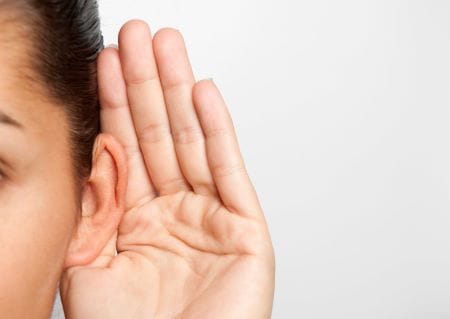
New Delhi: Hearing loss is a common health problem, but many people ignore it. It can happen at any age, from newborn babies to older adults. Some people are born with hearing problems, while others develop them over time due to infections, loud noise, aging, or certain medical conditions. Many people think hearing loss only affects elderly people. This is not true. Today, even young adults and teenagers are at risk because of constant use of earphones, loud music, and exposure to traffic noise. Hearing damage usually happens slowly. Because it is painless, people often do not notice the problem until it becomes serious.
In an interaction with News9Live, Dr. Girish Anand M S, Senior Consultant – ENT Surgery, Aster CMI Hospital, Bangalore, spoke about the importance of regular screenings and timely detection of hearing problems.
Why Early Hearing Tests Matter
Early hearing tests can help detect problems before they become permanent. When hearing loss is identified early, treatment can start quickly. This can prevent further damage and improve the quality of life. For newborn babies, early screening is very important. If a baby cannot hear properly, it can affect speech and language development. With early diagnosis and treatment, children can develop normal communication skills. In adults, early testing can prevent social isolation, stress, and even memory problems. Studies show that untreated hearing loss can increase the risk of anxiety and cognitive decline. A simple hearing test can help avoid these long-term effects.
Who Should Get Tested?
You should not ignore signs such as frequently asking people to repeat what they said, increasing the volume of the television or phone higher than usual, struggling to understand conversations in crowded places, hearing ringing or buzzing sounds in your ears, or feeling tired after talking to others for a long time, as these may indicate early hearing problems.
Protecting Your Hearing
Prevention is always better than treatment, so you should keep your earphone volume below 60%, avoid listening to music for long continuous hours, use proper ear protection in noisy workplaces, never insert sharp objects into your ears, and treat ear infections without delay, as these small daily habits can make a big difference in protecting your hearing.
Hearing connects us to people, conversations, and the world around us. Losing it slowly can affect confidence, relationships, and overall well-being. The good news is that many hearing problems can be managed if detected early. A simple hearing test takes only a few minutes but can protect you from lifelong damage. If you or your loved ones notice even small changes in hearing, do not ignore them. Listening today can protect your tomorrow.