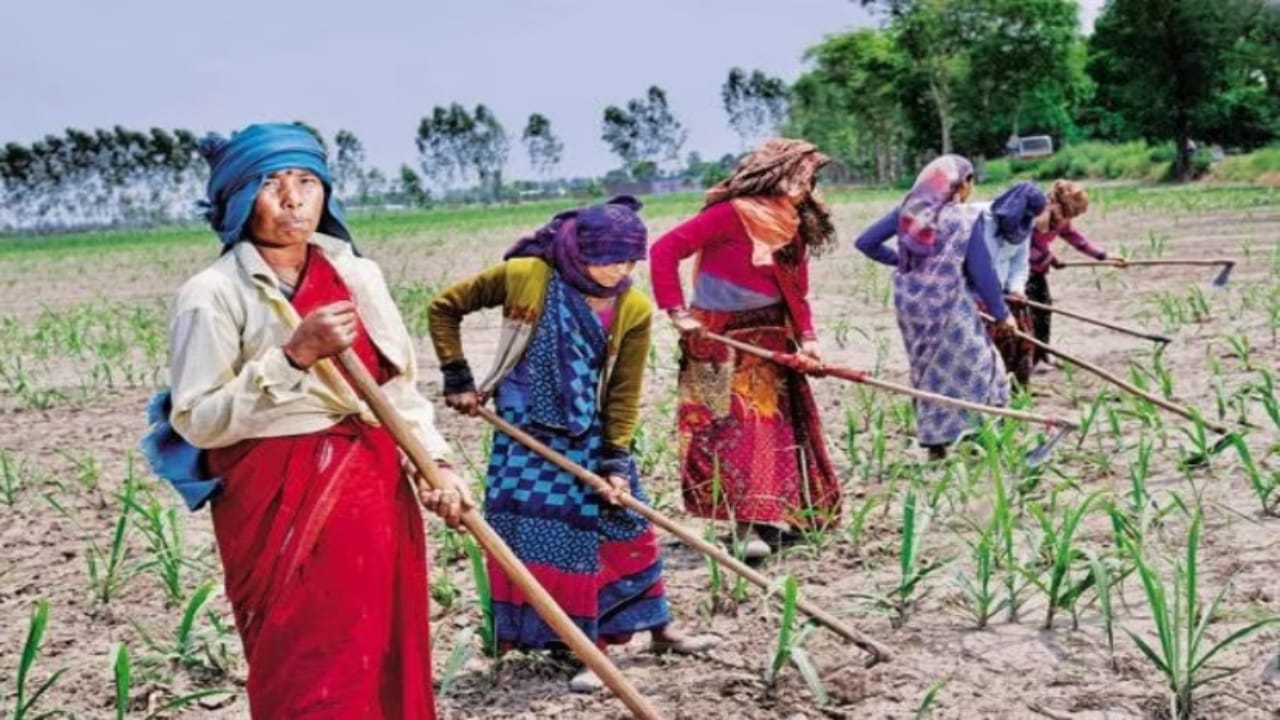
Dehradun: Migration from villages in Uttarakhand has long been a concern, but now the growing threat of wild animals is emerging as a major reason behind it. Farmers across the state are struggling with crop losses caused by wildlife, leading many families to abandon their ancestral homes and move to safer areas.
To understand the scale of the problem, the Uttarakhand Migration Prevention Commission has launched a detailed study. Data is being collected from 7,000 gram panchayats across the state. The commission aims to prepare a comprehensive report by the end of March, which will be submitted to the government.
The study focuses on three key aspects:
-Extent of crop loss due to wild animals such as monkeys, wild boars, and porcupines.
– Challenges in compensation, as farmers often face delays or inadequate payments for their losses.
– Local solutions suggested by communities to reduce wildlife damage and prevent migration.
Data will provide a clearer picture
Officials believe that this data will provide a clearer picture of how wildlife threats are directly linked to migration. In many villages, families have already left because farming has become unviable. Without crops, livelihoods collapse, forcing people to seek work in towns and cities.
Animals destroy crops like wheat, maize, and vegetables
Farmers say that wild animals destroy crops like wheat, maize, and vegetables, leaving them with little to harvest. Even fencing and traditional methods often fail to protect fields. The frustration of repeated losses has led many to give up agriculture altogether.
Families have already suffered financial setbacks
The commission’s report will also highlight the complexities of the compensation process. While schemes exist to support farmers, the paperwork and verification often take months. By then, families have already suffered financial setbacks. The study hopes to recommend faster and more effective mechanisms.
Some villages are experimenting with collective farming
Local communities are also suggesting practical solutions. Some villages are experimenting with collective farming, stronger fencing, and awareness drives to reduce human-wildlife conflict. Others are demanding stricter government action to control animal populations in sensitive areas.
Migration not only empties villages but also affects the state’s cultural and social fabric. Abandoned homes and fields weaken rural economies and traditions. By addressing wildlife threats, the government hopes to slow down this trend and encourage people to stay in their villages.