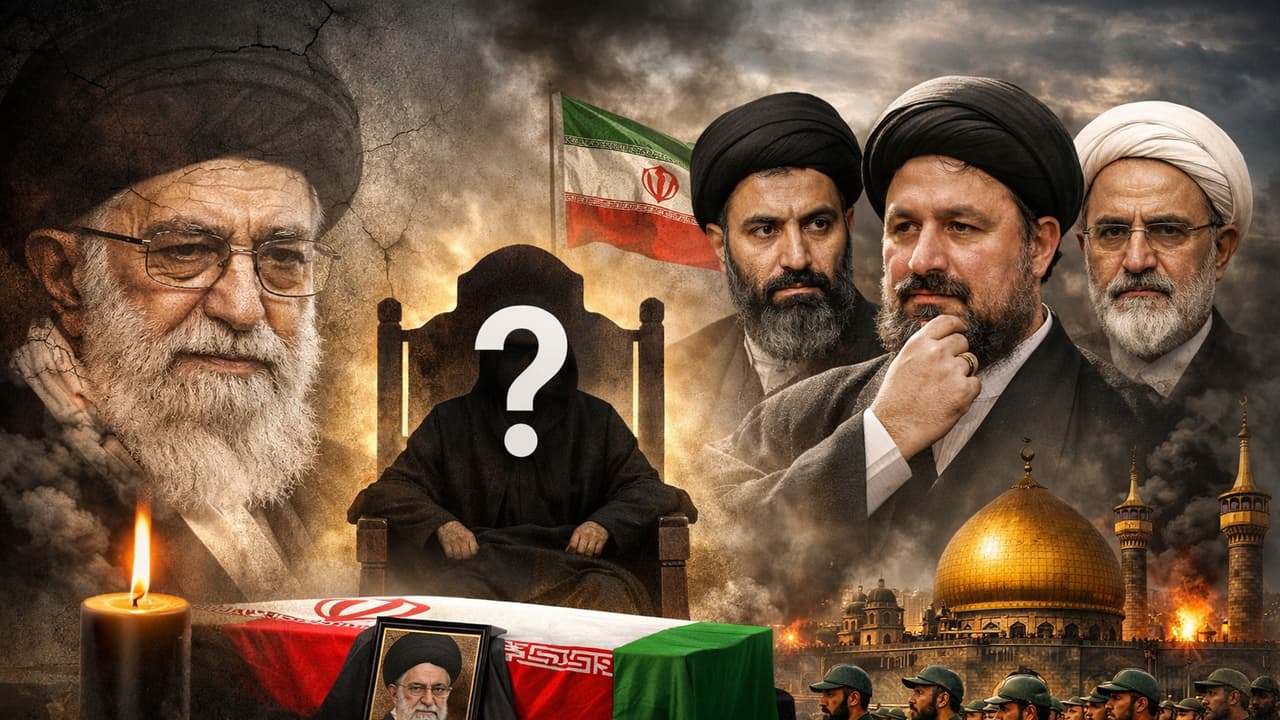
After Khamenei’s assassination, suspense will increase over the succession of Iran’s Supreme Leader. The balance of power between the Assembly of Experts, the IRGC and the clerical leadership will be important. Mojtaba Khamenei, Hassan Khomeini and other names are being discussed.
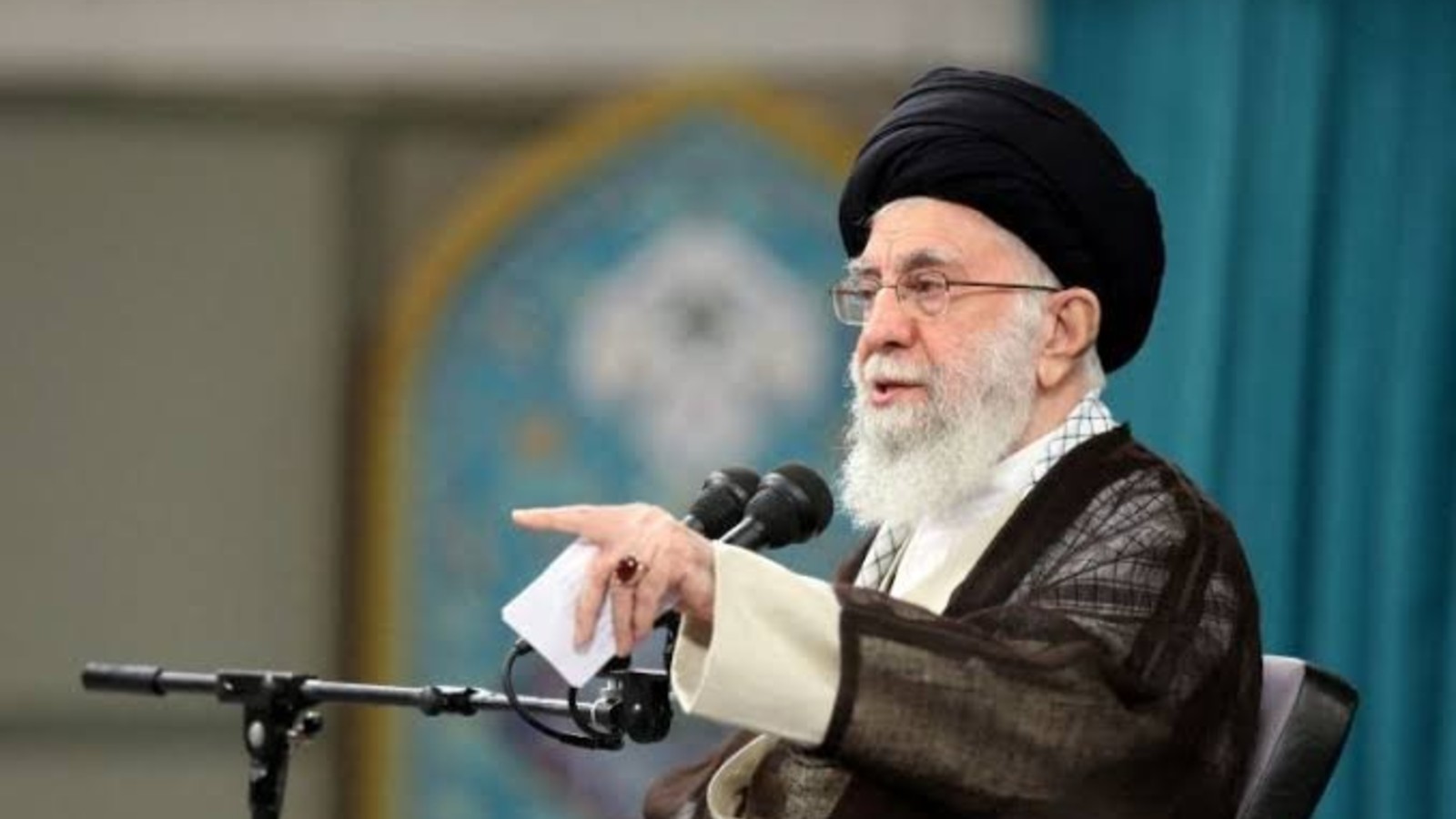
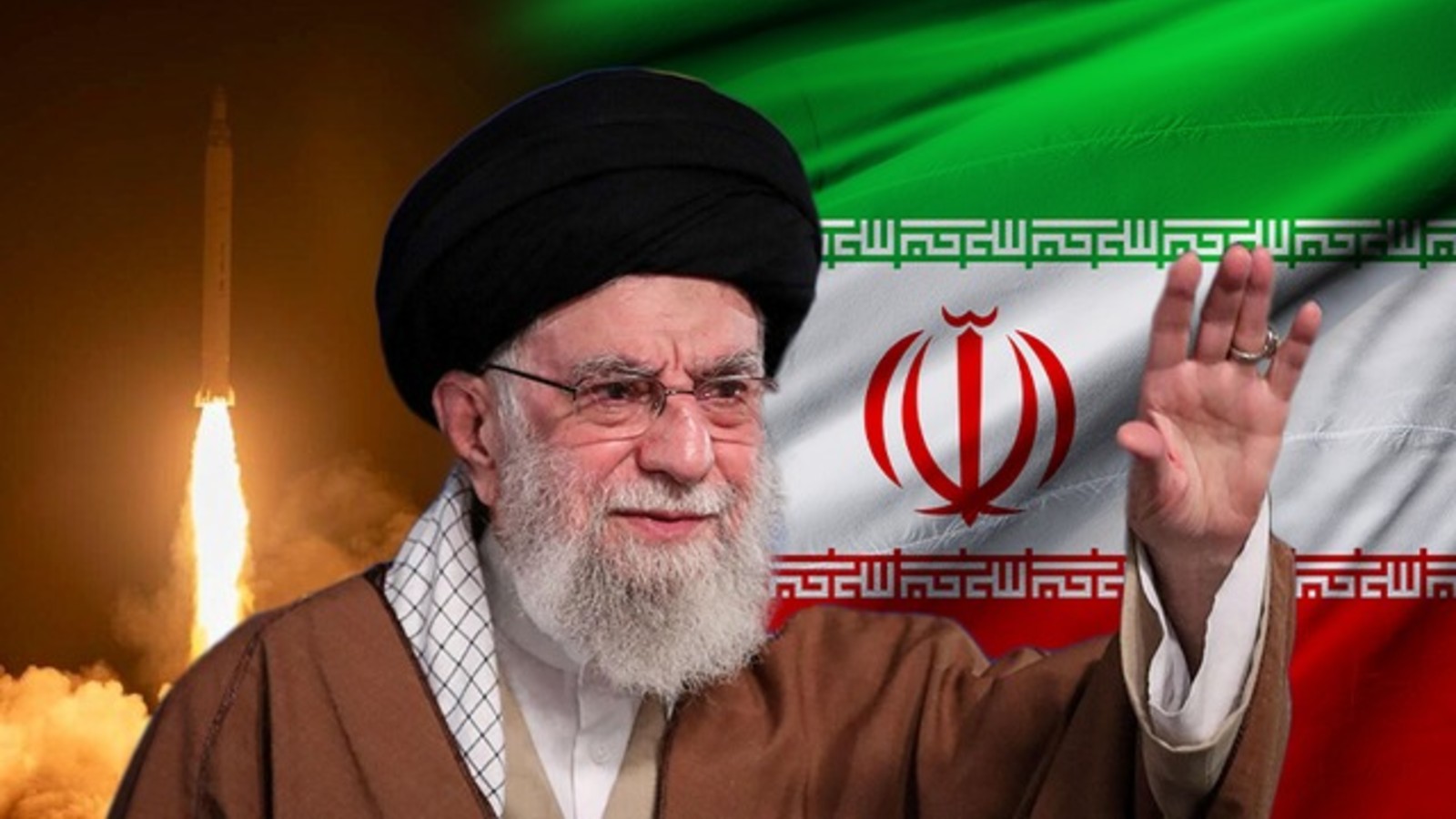
Iran Supreme Leader: The assassination of Iranian Supreme Leader Ayatollah Ali Khamenei, in what is being considered the biggest blow to the Islamic regime’s nearly five decades of existence, raises questions about his successor. There are speculations that a new leader will soon be named, and he will be selected from the country’s clergy-military group. The Islamic Revolutionary Guards Corps confirmed Khamenei’s death in a statement, while also vowing to continue the fight against the US and Israel.
It said, “The criminal and terrorist acts of the evil governments of the United States and the Zionist regime are a clear violation of religious, moral, legal and international norms. Therefore, the hand of revenge of the Iranian nation will not let go of them in giving harsh, firm and regrettable punishment to the murderers of the Imam of the Ummah.” Khamenei, who assumed the post of Supreme Leader in 1989, never revealed the name of his successor in his life. He was killed in US-Israeli strikes on Saturday that targeted his official compound in Tehran.
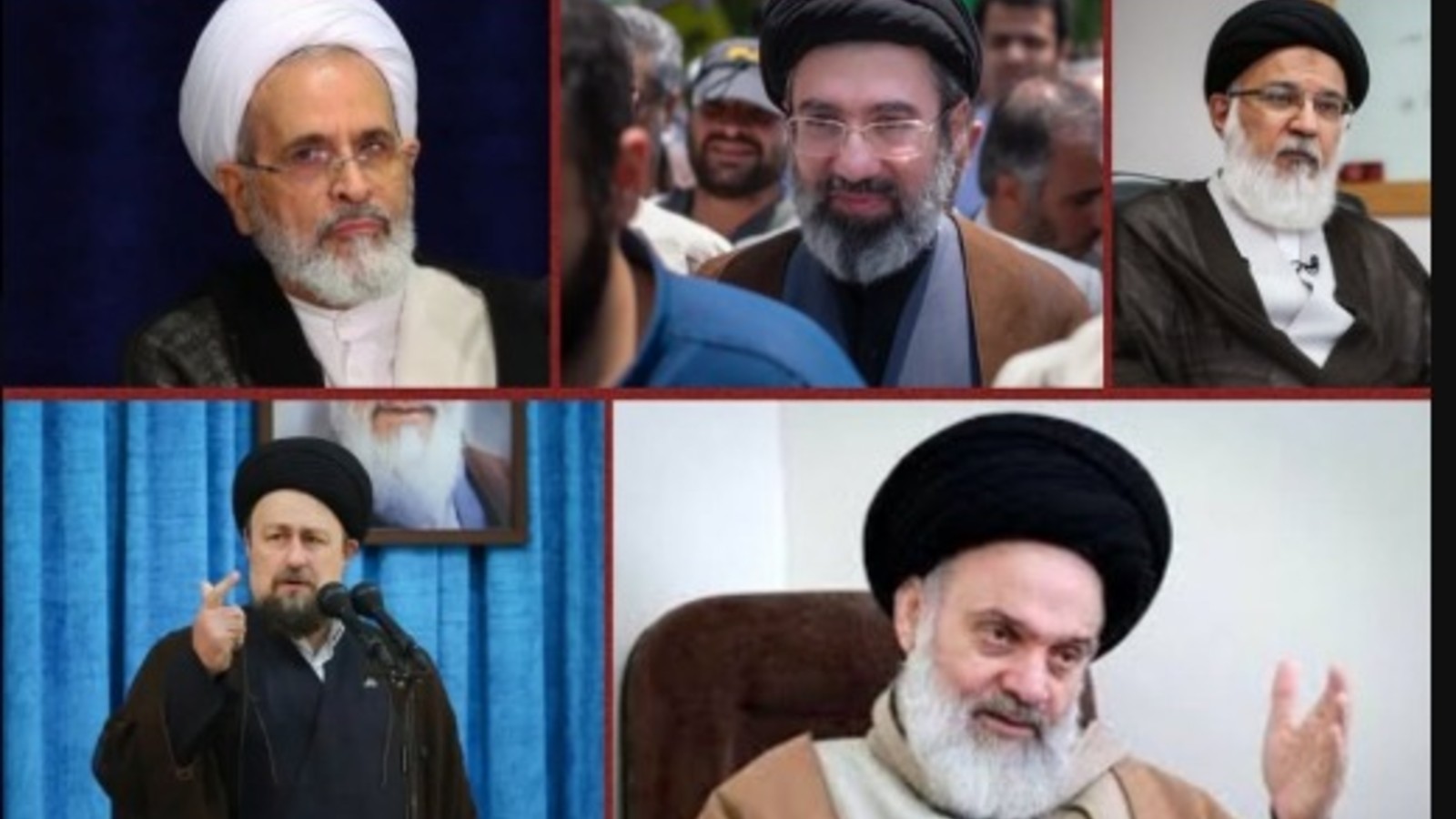
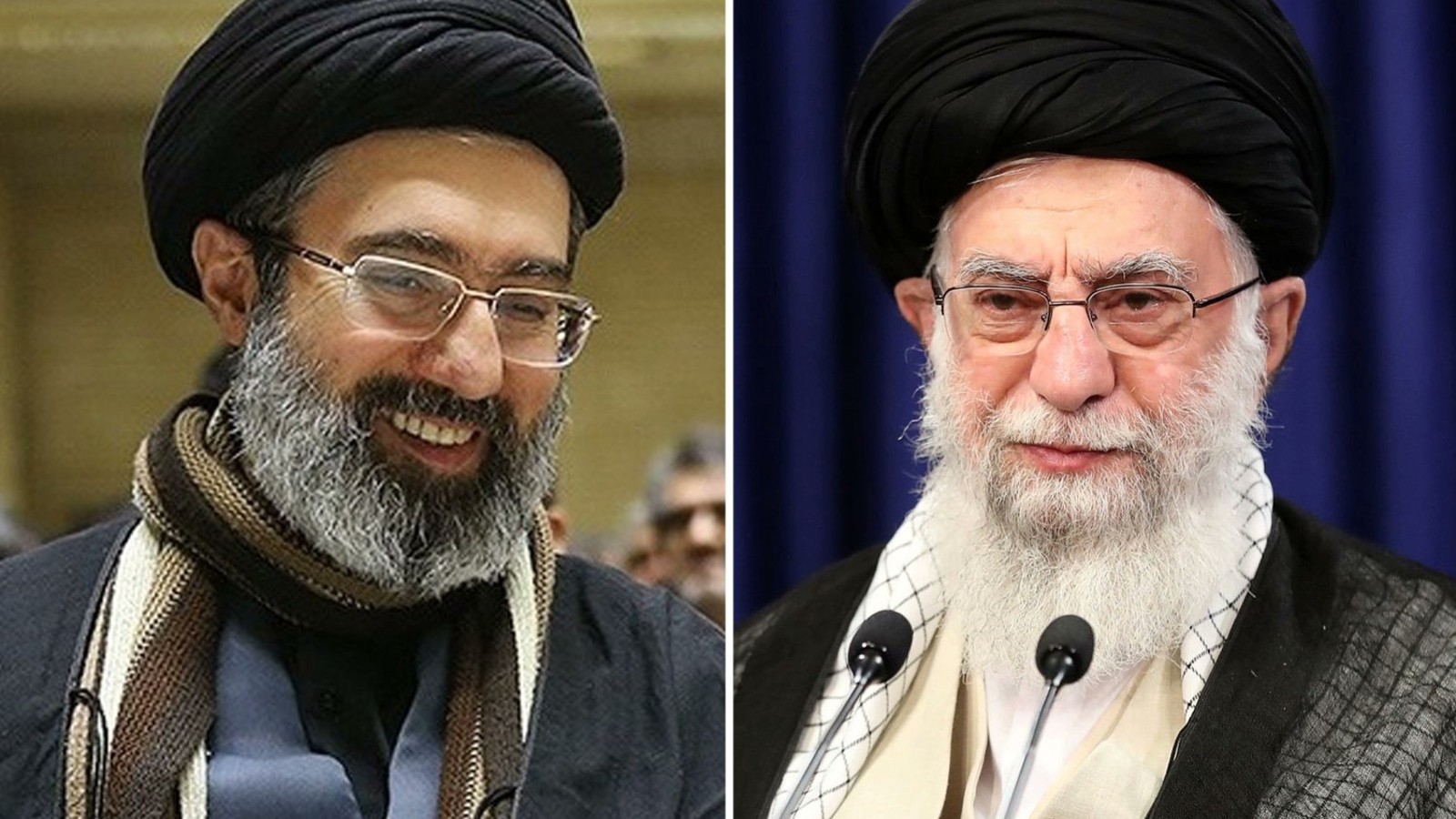
Mojtaba Khamenei: Is dynastic succession possible?
The late Supreme Leader’s second son, Mojtaba Khamenei, 56, acts as a powerful power broker with deep behind-the-scenes influence over the IRGC and the Basij paramilitary network. A veteran of the Iran–Iraq War, his strength lies in his close coordination with Iran’s security apparatus; However, they face major institutional difficulties. Clerics are still largely against dynastic succession, and Mojtaba lacks the credentials of a high-ranking cleric and the formal leadership experience traditionally required to reach the supreme post.
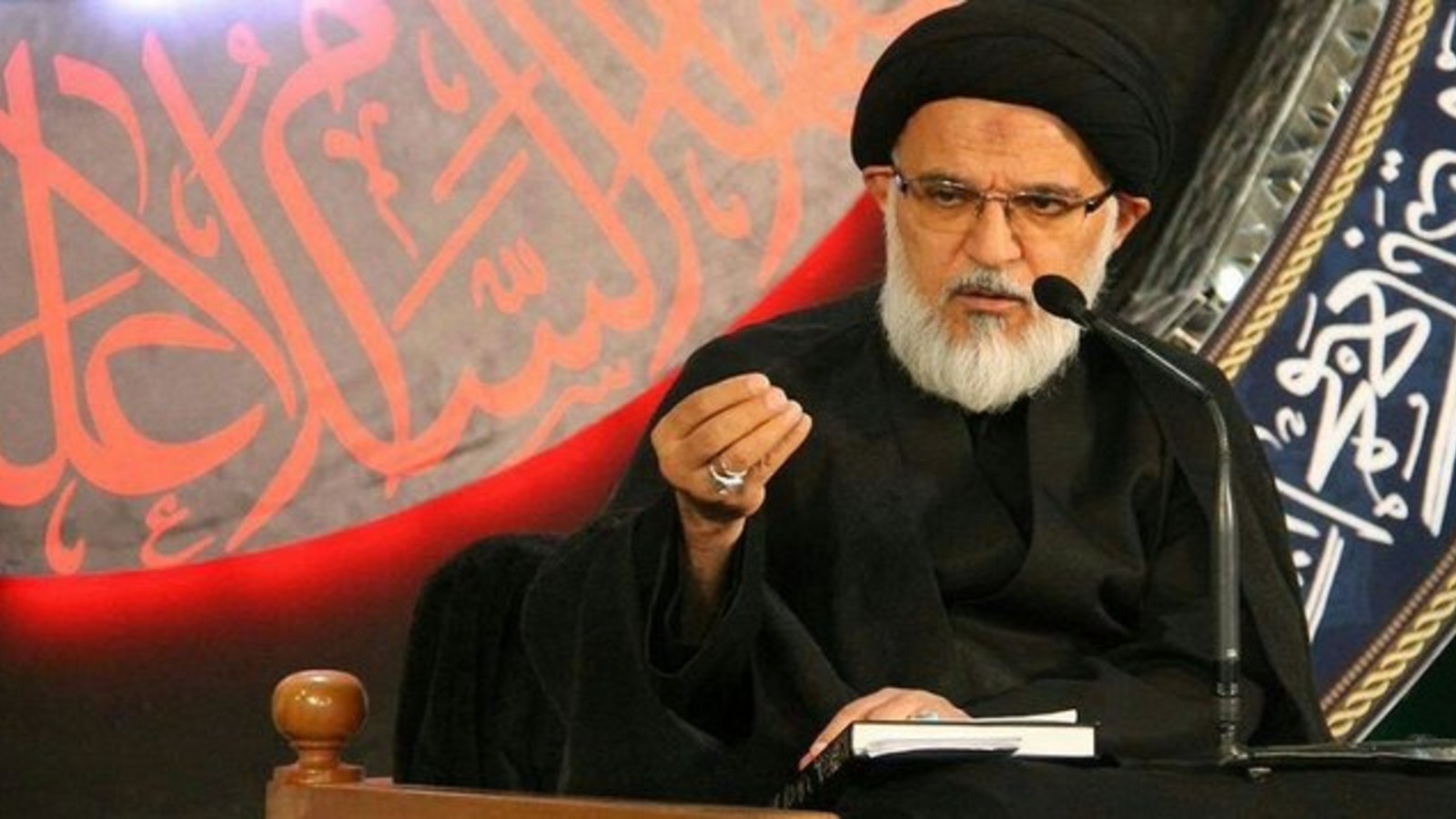
Mohammad Mehdi Mirbagheri: Will radical religious stance gain an edge?
Mohammad Mehdi Mirbagheri, a 60-year-old hardline Shia cleric, represents the most ideologically uncompromising faction of Iran’s religious leadership. As a member of the Assembly of Experts and head of the Qom Academy of Islamic Sciences, he meets the formal constitutional criteria for the role and appeals to those who want completely anti-Western, traditionalist governance. Although his theological standing is strong, his main shortcoming is his lack of widespread support within the political and military establishments, which may consider him too ideologically strict for practical rule.
Hassan Khomeini: Can ‘revolutionary legacy’ become strength?
As the grandson of the Islamic Republic’s founder, Hassan Khomeini, 50, has unmatched symbolic legitimacy and represents “revolutionary continuity” without direct Khamenei lineage. Although he has historically been seen as a moderate or reform-leaning figure, he recently signaled loyalty to the establishment by representing the Supreme Leader at major state ceremonies and supporting the government during the 2026 protests. Despite his unique pedigree and ties to diverse groups, his lack of military or executive experience—and deep suspicion of IRGC hardliners—remains a major obstacle to his advancement.
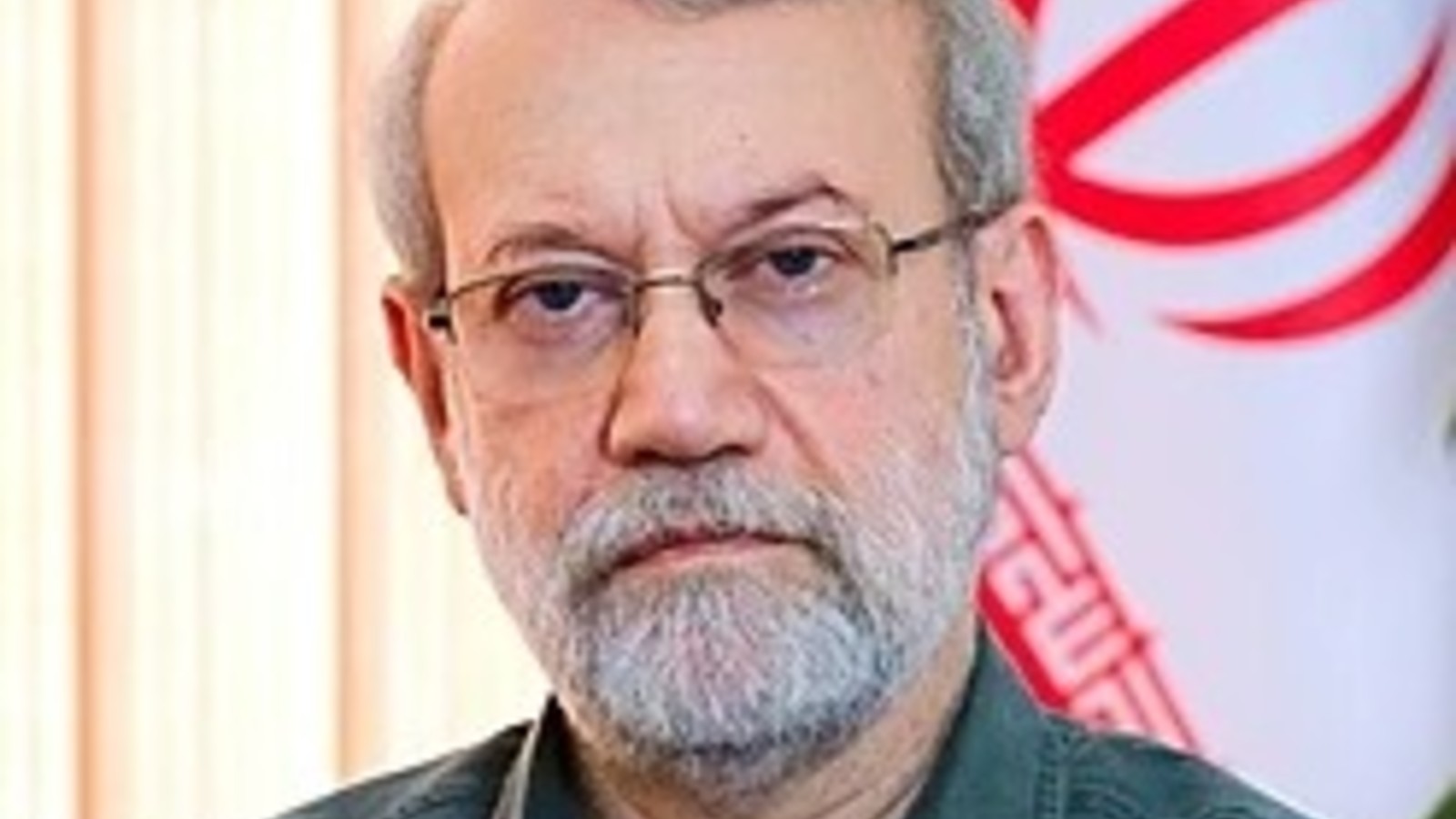
Ali Larijani: Kingmaker or contender himself?
Ali Larijani, the 67-year-old secretary of the Supreme National Security Council, is perhaps Iran’s most experienced strategist, having served as parliament speaker for a long time and the architect of a 25-year strategic deal with China. With his roots in the IRGC and history as chief nuclear negotiator, he is the regime’s biggest “fixer” for defense and economic survival. However, Larijani himself is not a candidate for supreme leadership; Because he is not a senior Shia cleric, he is constitutionally barred from the role, meaning his influence will likely be as a kingmaker or executive leader, not as a religious heir.
Ayatollah Alireza Arafi
If Iran wants to move forward with a cleric head instead of a military leader, Alireza Arafi could emerge as a top choice, according to the Council on Foreign Relations. Arafi is a senior cleric, and also a member of the Assembly of Experts and the high-powered Guardian Council.
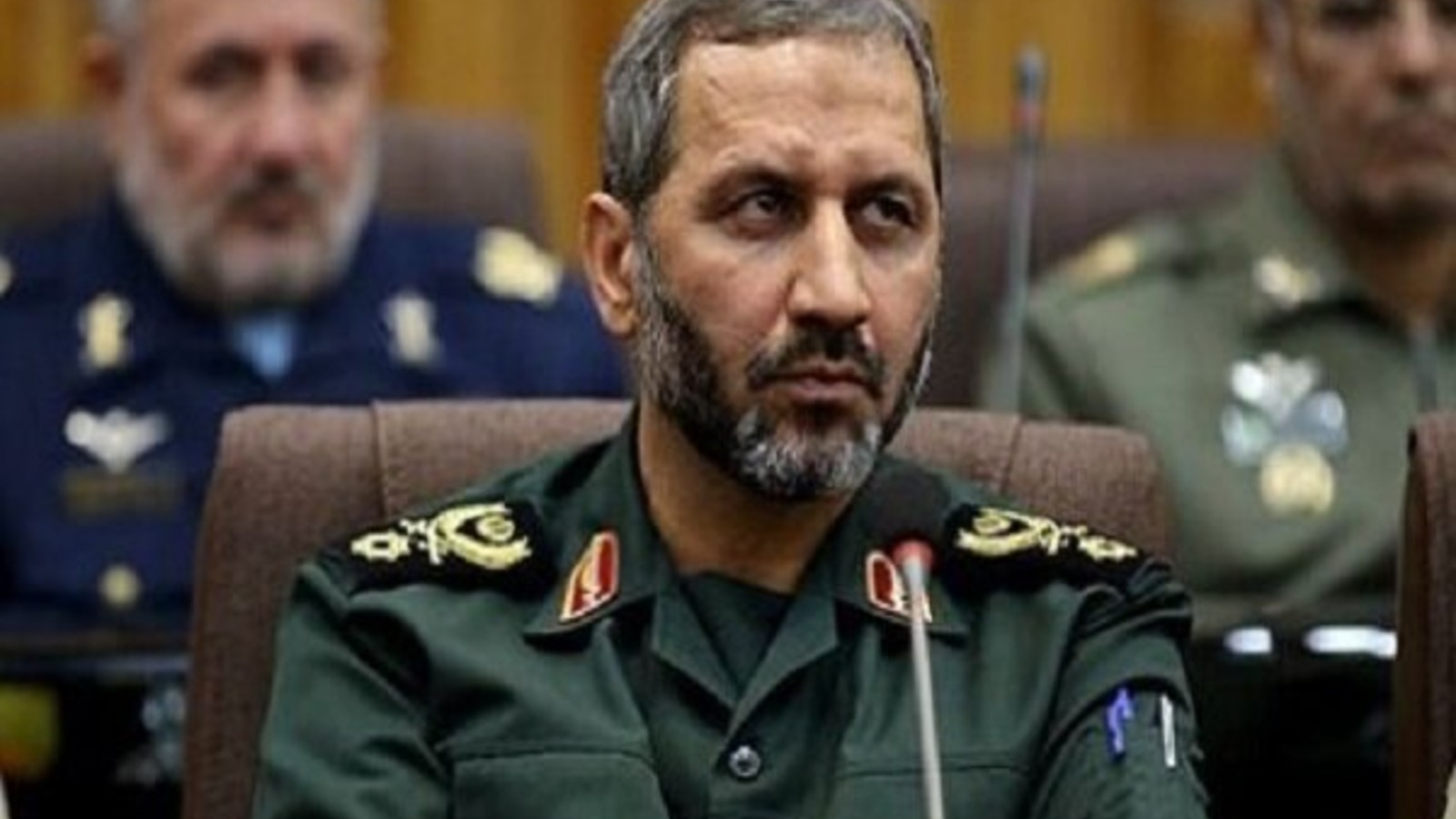
Mohsen Qomi (Hojjat-ul-Islam)
As a high-level advisor to the Supreme Leader, Comey serves in the inner circle of power. His main value lies in his deep institutional knowledge and his reputation as a “trusted insider”, making him an important figure for those who prioritize continuity and political stability.
Ayatollah Mohsen Araki
Araki is known for his theological weight. As a well-known member of the Assembly of Experts, he has the traditional religious credentials necessary for the role. He is often cited in succession talk because of his ability to bridge the gap between high-level clerical scholarship and state governance.
Ayatollah Ghulam Hussein Mohseni-AJE
Currently the head of the Judiciary, Mohseni-Ezei is a senior leader with extensive experience in security and legal surveillance. His background in various branches of government makes him a “practical” choice to maintain order during times of change and handle the complexities of government systems.
Ayatollah Hashem Husseini Bushehri
Bushehri wields considerable influence in Qom through his role as Friday prayer leader. Qom is considered the religious center of the country, so his membership in the Assembly of Experts and his religious identity make him a strong candidate for traditional clerical authority.