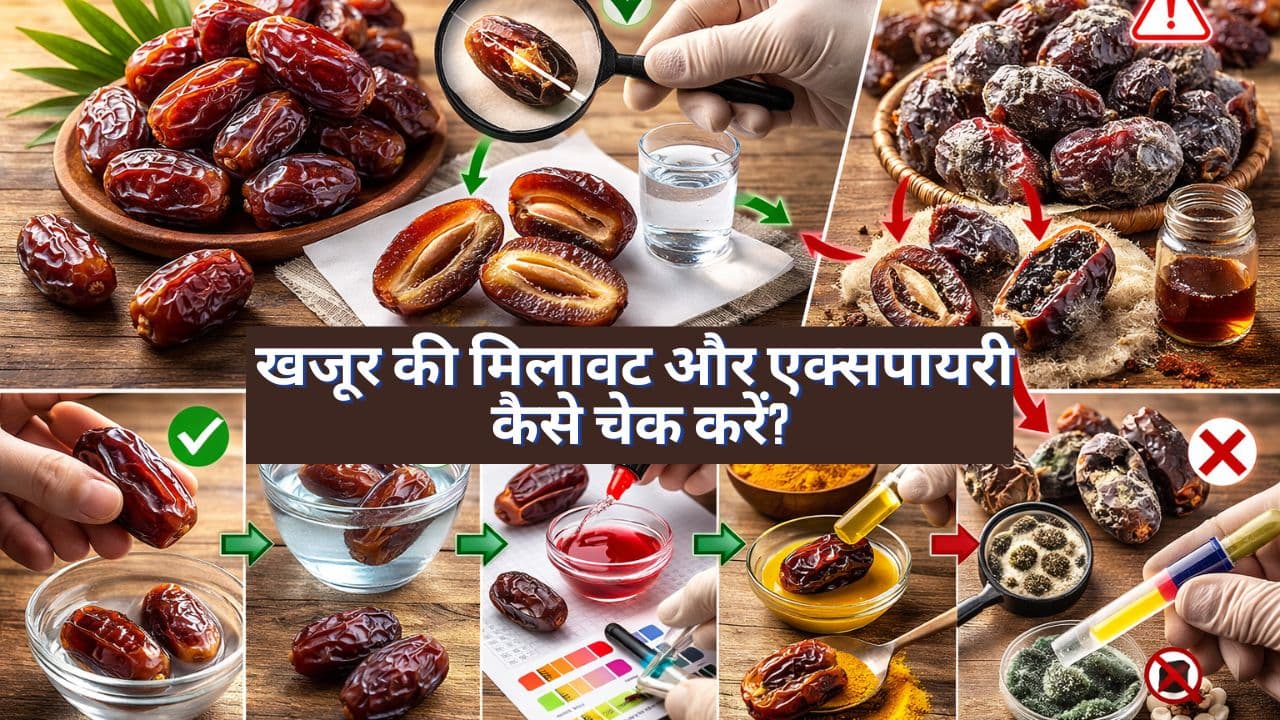
Ramadan Food Safety Tips: While buying dates in Ramadan, definitely check for adulteration and expiry. Identify real and fresh dates by looking at colour, smell, stickiness, white layer and packaging. Choose pure and healthy dates for Iftar with these easy tricks.
How to check fake dates: Dates are eaten first to break the fast in the month of Ramadan. As its demand increases in the market, adulterated or old stock also starts being sold. In such a situation, it is important that while purchasing dates, their quality, freshness and expiry should be properly checked. By adopting some easy home tricks, you can avoid adulteration and spoiled dates.
Identify real dates by color and shine
Fresh and good quality dates are light brown or dark brown. If the dates look too shiny, they may have been coated with glucose or sugar syrup. Excessive brightness may result in adulteration.
Also read- Gujiya Recipe Without Breaking: Why does Gujiya break as soon as it goes in oil? These 4 mistakes in kneading and kneading spoil the entire shape!
press it with your hand
Press the dates lightly, fresh dates are soft and slightly mushy. If it is too hard, it may be old, and if it is too sticky or paste-like, it may be spoiled or rotten.
Don’t ignore the white layer
Sometimes a white powdery layer is visible on the dates. It can be of two types, one is sugar crystal and the other is fungus. If the layer is dry like powder and has no smell, this is normal. But if there is bad smell or stickiness then do not buy it.
Identify expiry by smell
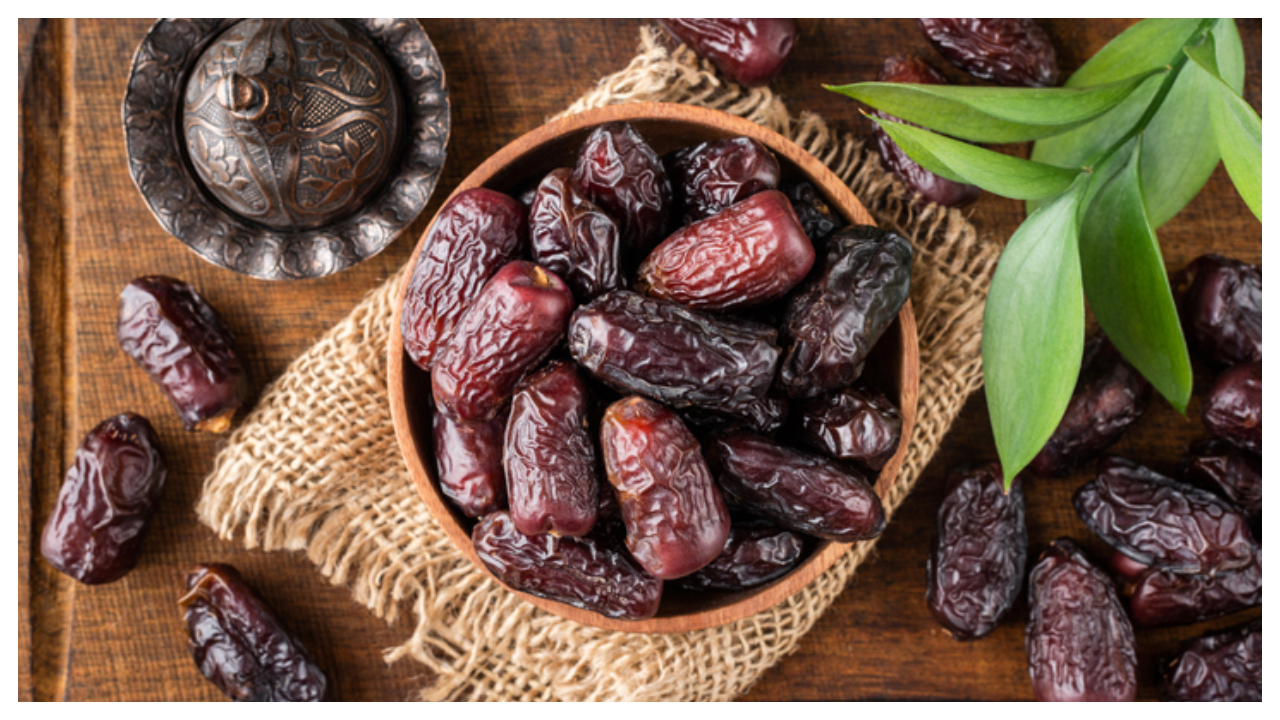
Fresh dates have a slightly sweet aroma. If it smells sour or stale, it has gone bad. While buying, definitely check the packet by opening it or smelling it.
Check packing and expiry date
Always check the manufacturing and expiry date while buying packed dates. While buying loose dates, buy them from a trusted shopkeeper only and do not buy too old stock.
Read this also- Secret trick to make balloon-like Malpua! Everyone will ask for the recipe on Holi
test by putting it in water
If in doubt, put a date in water. If it releases too much color or floats to the top, it may be adulterated.