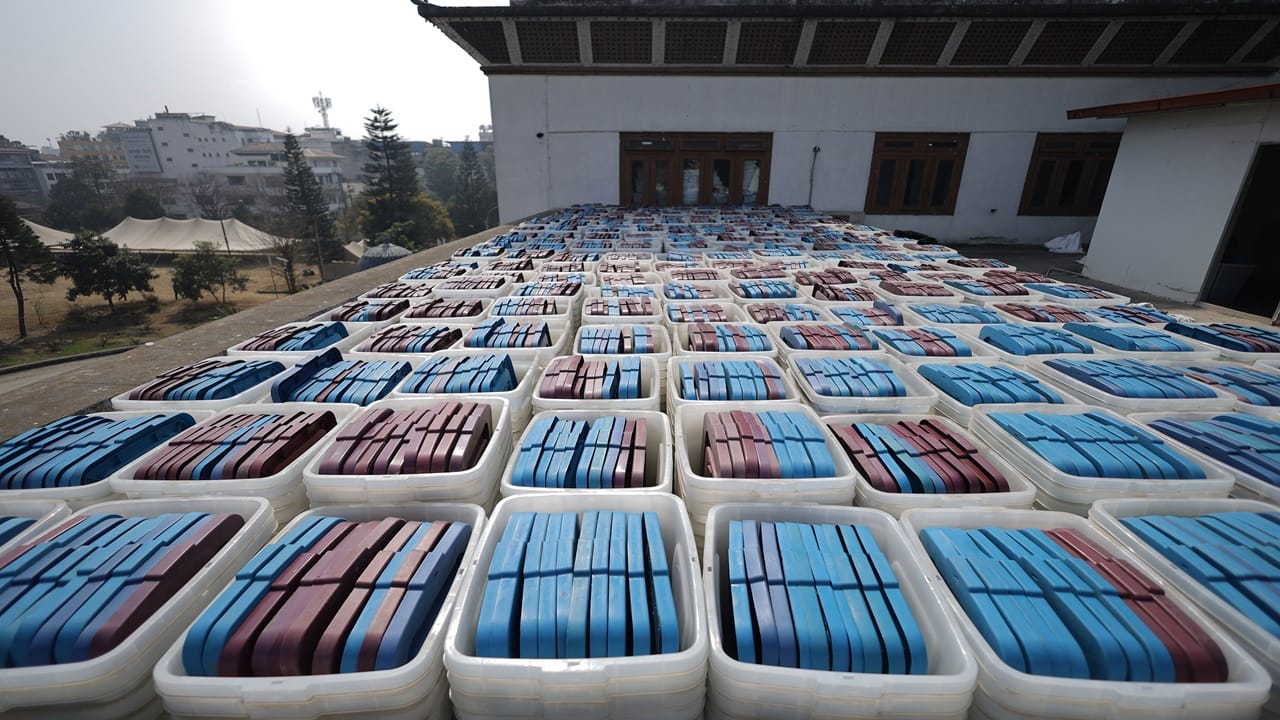
New Delhi: Nepalis will be voting to elect a new government on March 5. It will be the first election since deadly youth-led anti-corruption protests rocked the country and unseated the government of then-Prime Minister KP Sharma Oli in September last year.
Since the government was toppled, an interim government has governed the Himalayan nation. The government is headed by former chief justice Sushila Karki. When it took over, the interim government promised to conduct fresh elections and hand over power within six months.
How will the polling be conducted?
On March 5, almost 19 million electorates will exercise their franchise for House of Representatives, the lower house of parliament in Nepal. There are 800,000 first-time voters. A total of 275 Members of Parliament will be elected by bthe voters through a mixed system combining First Past The Post (FPTP) voting and Proportional Representation (PR).
Direct contests will decide 165 seats. This means the candidate who secures the most votes will be declared as winner. The remaining 110 seats will be given through proportional representation, with parties receiving seats in accordance with their share of the vote.
This system makes it hard for any one party to get a clear majority, which means the party that comes first will likely have to form a coalition government.
Over 3,400 candidates are in the poll fray. Among the candidates, over 1,000 are under the age of 40. As many as 65 political parties are contesting the polls.
When will the voting start?
The voting will get underway at 07:00 local time (01:15 GMT) and draw to a close at 17:00 local time. But polling booths may remain open even after this time in some parts of the country. This will be done to ensure all those who wish to cast their vote in the ballots are able to do so. In the past, polling has reportedly been conducted until 21:00 local time in some constituencies.
Who are the key players?
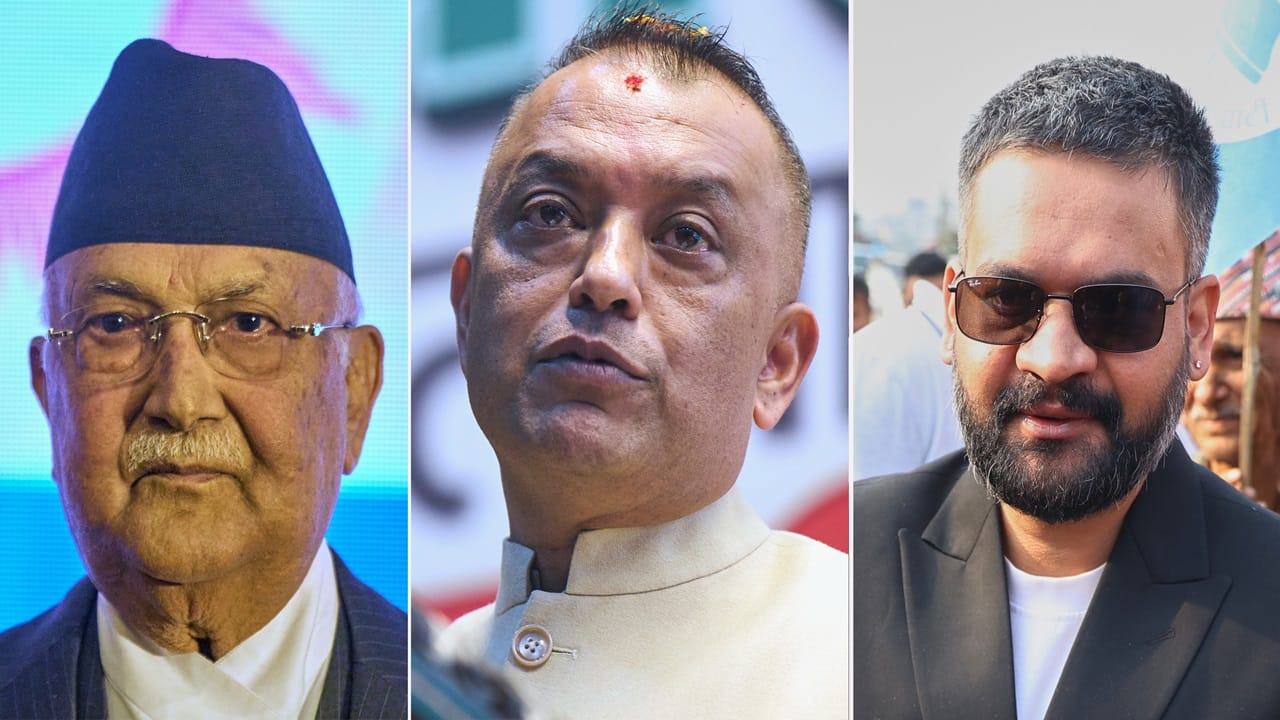
From left, Khadga Prassad Oli, president of Communist Party of Nepal (Unified MarxistÄìLeninist), Gagan Thapa, president of Nepali congress and former Kathmandu mayor Balendra Shah, of the Rastriya Swatantra Party. (Photo Credit: AP/PTI)
Thirty-five-old Balendra Shah, former Kathmandu mayor and rapper-turned-politician, is among the frontrunners for prime minister. He is representing the centrist Rastriya Swatantra Party.
He is contesting against Khadga Prassad Sharma Oli, the country’s former prime minister, in his bastion Jhapa 5. Oli is from the Communist Party of Nepal (Unified Marxist–Leninist). Oli is eyeing the top post again, even though wooing back young voters who ousted him barely six months ago will be difficult.
Other key contenders are centrist Nepali Congress party’s 49-year-old Gagan Thapa and three-time prime minister Pushpa Kamal Dahal, 71, who now heads the Nepali Communist Party.
What are the main issues?
The top issue in the election is corruption. Last year’s youth-led protests, which claimed over 80 lives, were sparked due to alleged rampant graft in government machinery. Other important issues include unemployment, economic stagnation and poverty. According to analysts, about a fifth of the population is living in poverty, and high youth unemployment.
When will the results be declared?
As per Nepal’s Election Commission, the results of the 165 directly-elected seats will be announced within 24 hours of ballot boxes being collected from across the country. The collection of the ballot boxes will take around a day in the Himalayan country.
The EC said that tallying the results of the proportional representation vote could take another two to three days.
In 2022, Nepal held its last elections, and the final results were released only after two weeks.