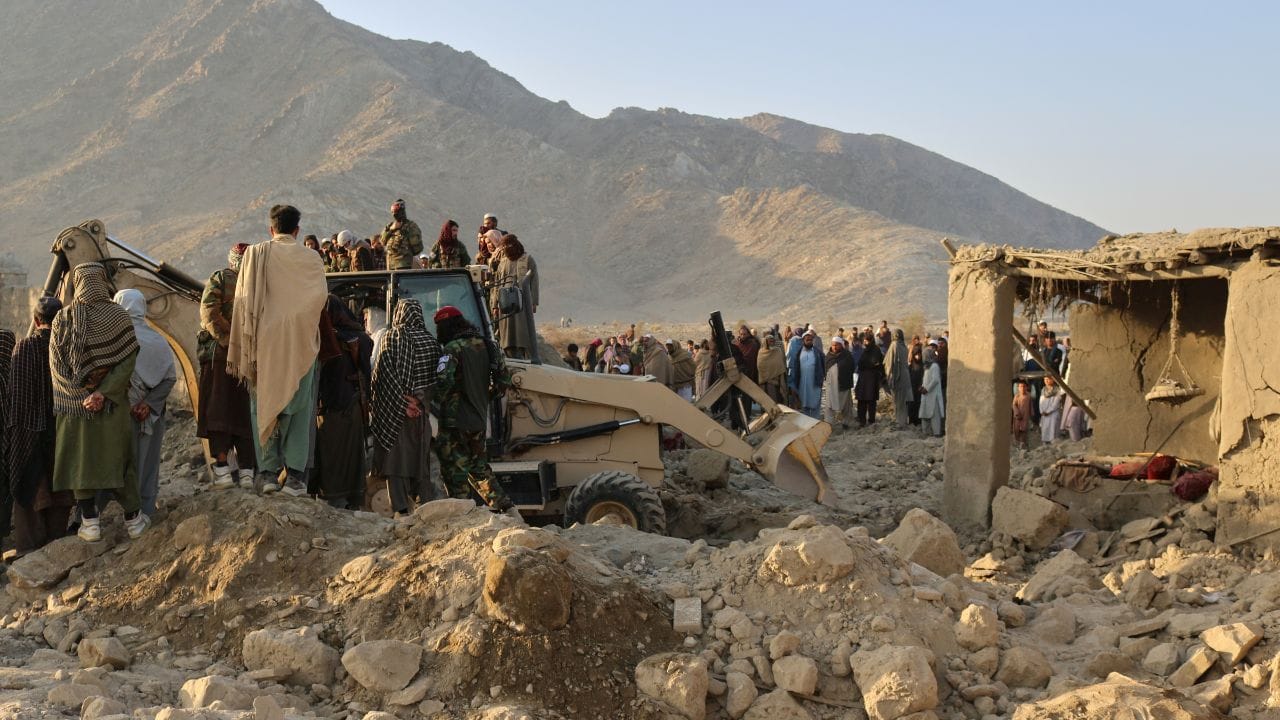
New Delhi: The Taliban administration in Afghanistan has launched retaliatory military operations against Pakistani border positions after airstrikes that Afghan officials say killed dozens of civilians, including women and kids.
Zabihullah Mujahid, spokesperson of the Islamic Emirate of Afghanistan, confirmed the action in a post on X. “In response to repeated provocations and violations by Pakistani military circles, large-scale offensive operations have been launched against Pakistani military positions and installations along the Durand Line,” Zabihullah Mujahid, spoksperson for the Taliban administration, said in a post on X.
The announcement signals a serious escalation between Kabul and Islamabad.
Offensive along disputed border
The spokesperson of the Taliban’s 201 Khalid bin Walid Corps said Afghan border forces began fighting in eastern provinces that share a boundary with Pakistan. He said the operations were a direct reaction to Pakistani airstrikes.
The Durand Line remains a disputed border between the two countries. Tensions have often flared in the region. However, the latest exchange appears more organised and widespread than earlier skirmishes. Details about casualties among military personnel remain unclear.
Airstrikes in Nangarhar and Paktika
Afghan officials said Pakistani military aircraft carried out strikes on Sunday in Nangarhar and Paktika provinces. These provinces lie close to the Pakistan border.
Afghanistan authorities said a lot of civilians died in the attacks. Local reports said at least 17 members of one family were among those killed.
Pakistan described the action as “targeted strikes” aimed at militant hideouts. Islamabad has not released figures about casualties.
Civilian toll fuels anger
The reported deaths of women and children have intensified anger in Afghanistan. Taliban officials blamed Pakistan for violating Afghan territory and harming civilians.
The incident has sharply increased tensions between the Taliban-led government in Kabul and the Pakistani leadership. Diplomatic efforts to ease the situation remain uncertain.