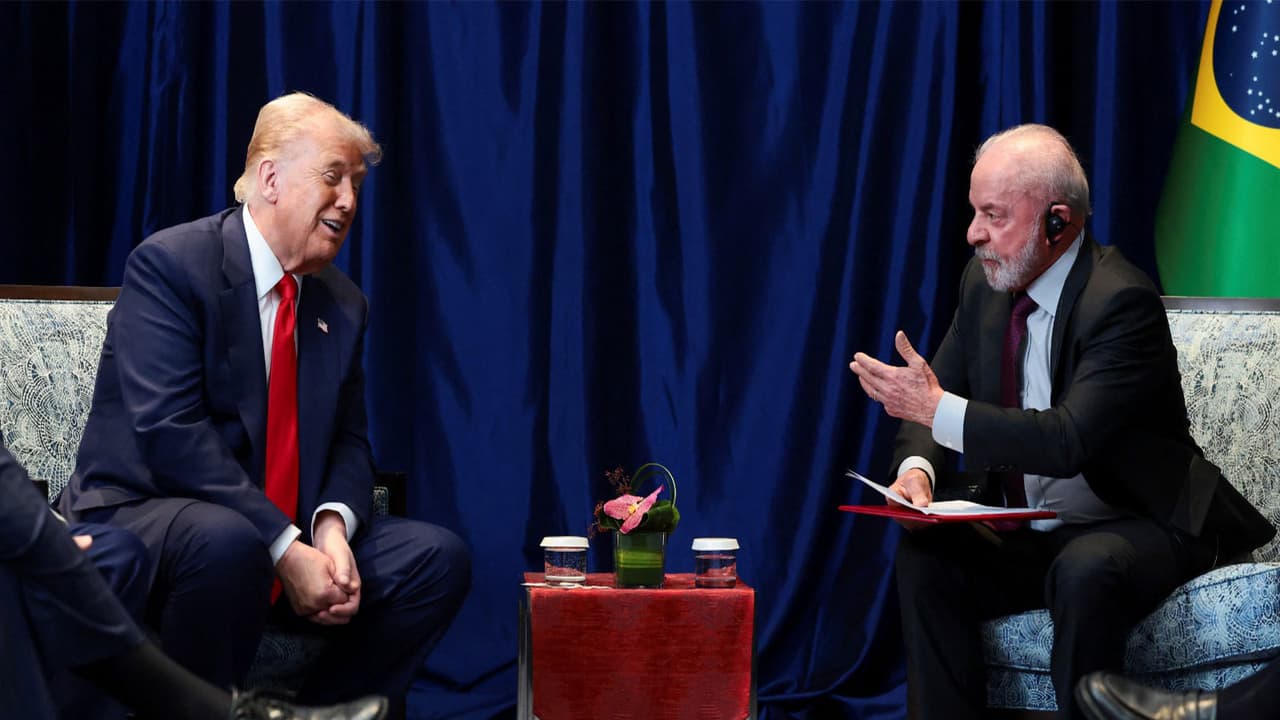
America has imposed a heavy tariff of 25% on Brazil. USTR called it necessary action against Brazil’s unfair trade policies. At the same time, the Lula government has condemned this move, calling it a ‘regretful milestone’ for bilateral relations.
Washington DC [यूएस]July 16 (ANI): The United States Trade Representative (USTR) has announced the imposition of 25 percent tariffs on certain goods imported from Brazil under Section 301 of the Trade Act of 1974, following a year-long investigation into Brazil’s trade practices.
The Brazilian government led by President Lula da Silva hit back at the US, calling the move a “regretful milestone” in bilateral relations and a violation of multilateral trade rules.
Why did America impose tariffs?
“Today, after extensive public hearings and comments, as well as several rounds of negotiations with Brazilian officials, USTR is taking action by imposing a 25% tariff on certain Brazilian goods under Section 301 of the Trade Act of 1974,” U.S. Trade Representative Jameson Greer said Thursday. The action follows findings that many of Brazil’s trade policies are “unfair and discriminatory”, significantly hindering the competitive position of US businesses and workers.
USTR’s investigation found that certain Brazilian measures related to digital trade and electronic payment services, unfair preferential tariffs, anti-corruption interventions, intellectual property protection, ethanol market access, and illegal deforestation are unfair and burden or restrict commerce of U.S. farmers, workers, innovators, and exporters.
Protecting American interests is the first priority
According to a statement from USTR, the Office of the United States Trade Representative held two public hearings, received more than 360 public comments, and engaged in intensive negotiations with the Brazilian government to address U.S. concerns. “USTR initiated this investigation at the direction of President Trump to investigate unfair trade practices by Brazil with respect to digital trade, electronic payment services, unfair preferential tariffs toward third countries, anti-corruption enforcement, intellectual property protection, ethanol market access and illegal deforestation,” Greer told reporters.
Greer said, “Protecting American economic interests against unfair trade practices is the foundation of President Trump’s ‘America First’ policies. Whether it’s punishing American technology companies for refusing to censor political speech, pushing back on anti-corruption enforcement, or allowing Brazilian farmers to exploit illegally harvested land to gain an advantage over American farmers, Brazil’s unfair trade practices have put American workers and producers in harm’s way in this vital region with more than 210 million consumers.” Prevented from reaching the market.”
Greer said this action by USTR is necessary to address these unfair trade practices to ensure that American workers and companies can compete on a level playing field. “Extensive negotiations with Brazil over the past year have not resolved these issues, but we stand ready to continue dialogue with Brazil to bring about long-needed changes to the problems identified in this investigation,” Greer said.
What is section 301?
Section 301 of the Trade Act of 1974 gives USTR the authority to investigate and respond to foreign government actions that are considered unfair, provide subsidies, or that violate trade agreements. The US government said it is open to further negotiations, but that the current measures are necessary to ensure that trade between the two countries remains “free, fair, and reciprocated”.
Serious allegations against Lula government
U.S. Secretary of State Marco Rubio said, “Today, President Trump directed the USTR to impose a 25% tariff on most Brazilian imports. There should be no confusion about the reason for this: President Lula and his government have not negotiated in good faith with the United States.” In a post on X, Rubio said that Lula’s “economic policies are bad for Americans and for Brazilians. For the past year, Lula has put his ego ahead of the welfare of the Brazilian people instead of reaching a deal, and these tariffs are the price of that.”
Brazil’s strong counterattack
In a strong statement issued by the Secretariat of Social Communications of the Office of the President, Brazil “rejected” USTR’s decision to invoke Section 301 of the Trade Act of 1974. The Lula administration argued that there is “no justification” for unilateral measures, pointing out that the US has had a huge trade surplus with Brazil of US$424.5 billion over the past 15 years.
“Brazil does not recognize the validity of the investigation conducted without support in multilateral trade rules,” the presidency said, adding that the country has worked “tirelessly” to provide evidence refuting US allegations of unfair trade practices.
According to Greer, this investigation was initiated to address long-standing US concerns regarding Brazil’s trade policies, and despite several rounds of negotiations between the two governments, Washington concluded that retaliation under Section 301 was necessary.
Which products will be affected?
These tariffs are expected to affect thousands of Brazilian export products, although several key items are reportedly exempt. Goods such as beef, coffee, rare earths and aircraft parts are among those exempt. (ANI)
(Except for the headline, this story has not been edited by Asianetnews Editorial staff and is published from a syndicated feed.)