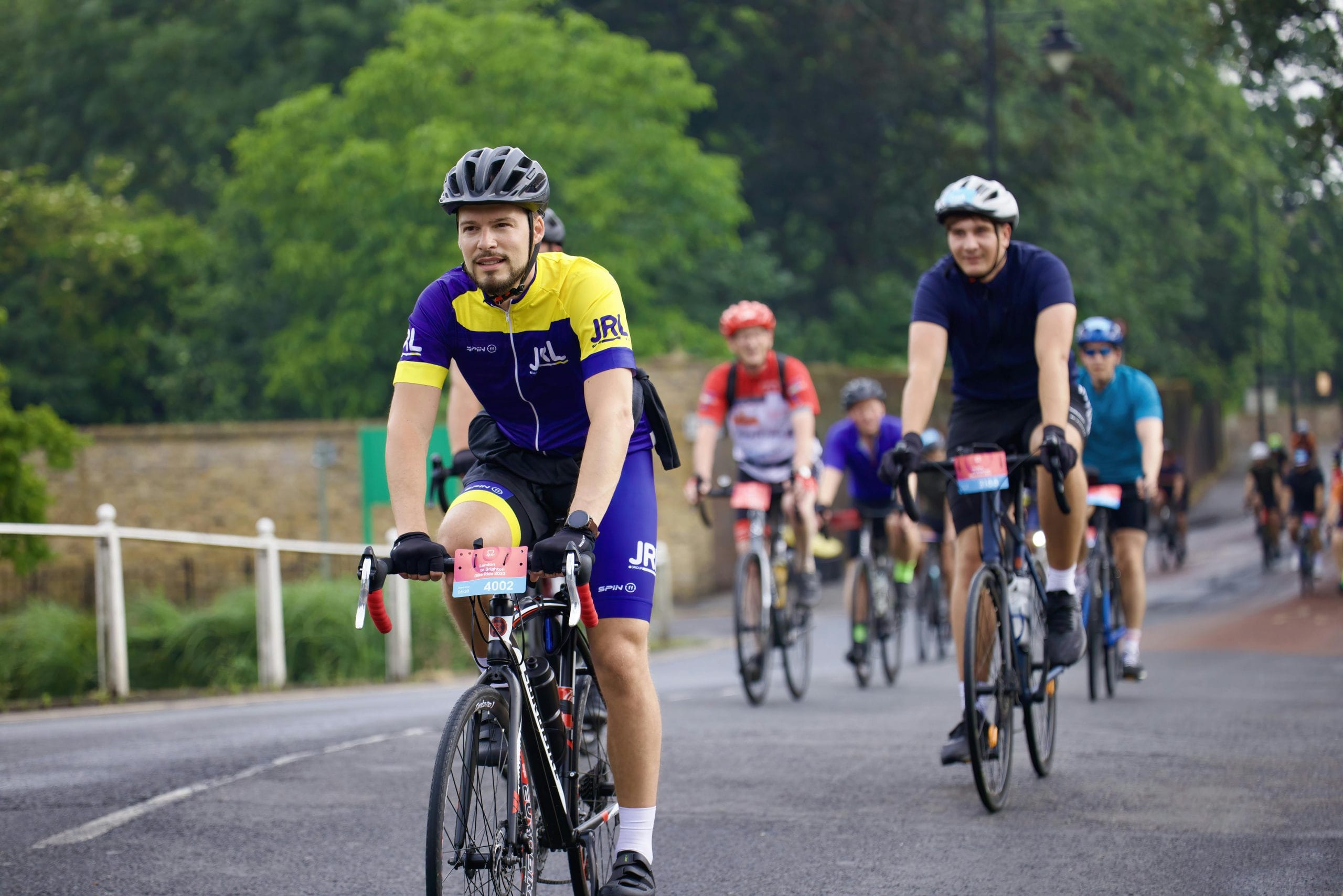
New Delhi: For decades, doctors have told patients to exercise regularly to protect their hearts and waistlines. But a growing body of research suggests that for men in particular, one form of exercise may carry some unexpected advantages well into later life: cycling.
Studies from researchers at King’s College London and the University of Birmingham indicate that men who remain committed to cycling as they age may retain stronger muscles, healthier immune systems, and even higher testosterone levels compared with their less active peers.
One of the most frequently cited investigations, published in Ageing Cell, followed a group of older amateur cyclists between the ages of 55 and 79. These weren’t occasional riders. The men involved were fit enough to complete 100 kilometres in under six and a half hours—a sign of long-term dedication rather than casual weekend activity. Their results were compared with those of adults of a similar age who did not exercise regularly. What stood out was not just their fitness levels, but their biology.
Testosterone, a hormone that naturally declines with age, was found to be comparatively higher in the male cyclists. The gradual drop in testosterone over time is often linked to reduced sex drive, weaker bones, and loss of muscle mass. The cyclists, however, appeared to have avoided much of that typical hormonal slide.
They also carried less body fat and had healthier cholesterol levels — factors closely tied to cardiovascular health. In simple terms, their bodies looked and behaved younger than their chronological age might suggest.
Perhaps more surprising were findings related to the immune system. The thymus, a gland that produces infection-fighting T cells, usually begins shrinking from early adulthood onwards. As it shrinks, immune function declines. In the cyclists studied, thymus activity appeared better preserved, with T-cell production more in line with that seen in younger adults.
Further evidence comes from research published in BMC Musculoskeletal Disorders, which compared long-term recreational cyclists with inactive men in middle age. The cyclists, who had trained consistently for years, showed stronger leg muscles and less fat embedded within their muscle fibres. That detail matters: increasing fat infiltration in muscle is a hallmark of ageing and contributes to sarcopenia—the muscle wasting that can lead to frailty, falls, and metabolic disease later in life.
Professor Alister Hart, who led the musculoskeletal research, has said the findings offer clear evidence that sustained cycling helps preserve muscle quality, not just size. Of course, the men studied were highly active, and the benefits observed reflect years of consistent training. But experts emphasise that you do not need to ride 100 kilometres to gain health rewards. Public health guidance continues to recommend at least 150 minutes of moderate exercise a week. Cycling—whether outdoors or on a stationary bike—can easily fit that prescription.
For men concerned about staying strong, mobile, and healthy as they grow older, cycling may be more than a hobby. It could be one of the simplest ways to hold back some of the biological changes that come with time.