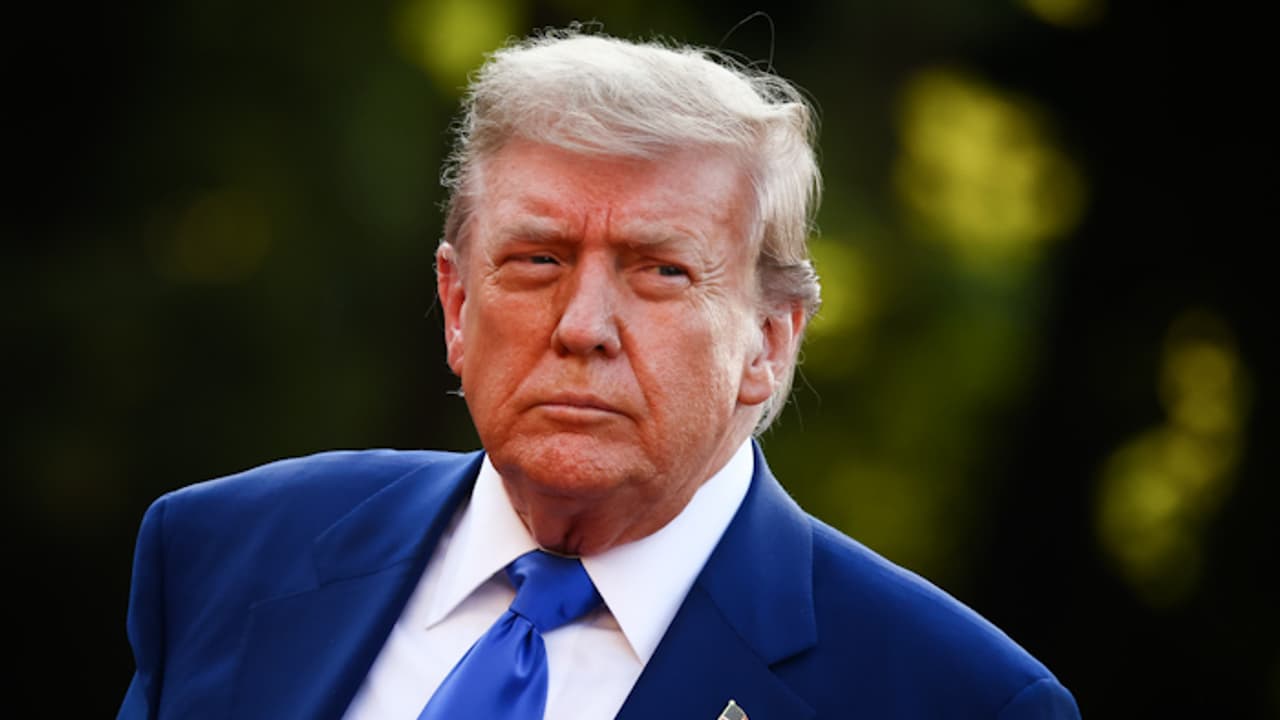
A US 15% import tariff is reshaping global trade, creating winners and losers. The UK and Europe face strain, while India, China, and Brazil gain by adapting to shifting supply chains and evolving trade patterns.
The global trade landscape is undergoing a major shift following former US President Donald Trump’s aggressive tariff strategy, which includes a broad 15% import duty affecting multiple countries. The move, part of a wider protectionist agenda, has created a complex mix of winners and losers, reshaping trade flows, alliances, and economic priorities across continents.
At the heart of this policy is the attempt to rebalance trade in favour of the United States by discouraging imports and encouraging domestic manufacturing. However, like most large-scale tariff regimes, the consequences extend far beyond American borders, producing ripple effects that are benefiting some economies while disadvantaging others.
Countries like India, China, and Brazil have emerged as relative winners in this evolving scenario. Despite facing tariffs themselves, these economies are capitalizing on shifts in global supply chains.
India
For India, the situation is particularly nuanced. While it has been subjected to steep tariffs—reaching as high as 50% in some cases due to additional penalties tied to geopolitical issues—it is simultaneously gaining from companies diversifying away from China and restructuring supply chains.
China
China, long at the centre of US trade tensions, continues to adapt by redirecting exports and strengthening regional trade partnerships. The tariff pressures have pushed Chinese manufacturers to explore alternative markets and optimize cost structures, allowing them to maintain competitiveness despite higher barriers in the US market.
Brazil
Brazil, too, finds itself in a mixed but potentially advantageous position. Although certain Brazilian exports have faced steep additional tariffs, its role as a commodity powerhouse—particularly in agriculture—means it can benefit from supply gaps created by disrupted trade routes.
UK & Europe
On the other side of the spectrum are countries like the United Kingdom and parts of Europe, which are facing more direct economic strain. With tariffs affecting key export sectors, these economies are encountering reduced competitiveness in the US market. For Europe, the situation is compounded by uncertainty over trade agreements and the possibility of prolonged negotiations, which could stall economic momentum.
The UK, in particular, is navigating a delicate position. Post-Brexit trade strategies have relied heavily on strengthening ties with the US, but tariff barriers threaten to undermine these efforts. Export-dependent industries, specially manufacturing and specialized goods, are feeling the pressure as costs rise and demand fluctuates.
Another important dimension of this tariff regime is its impact on global supply chains. Over the past decade, businesses have increasingly relied on interconnected production networks spanning multiple countries. The imposition of tariffs disrupts these networks, forcing companies to rethink sourcing, manufacturing, and distribution strategies.
This disruption is accelerating the trend of “China plus one” strategies, where companies diversify manufacturing bases to countries like India, Vietnam, and Mexico. India, in particular, stands to gain significantly from this shift, as it offers a large labour force, improving infrastructure, and government incentives aimed at boosting manufacturing.
However, the transition is not without challenges. Infrastructure gaps, regulatory hurdles, and logistical inefficiencies still pose barriers to fully capitalizing on these opportunities. For India to sustain its advantage, continued reforms and investment will be crucial.
From a geopolitical perspective, Trump’s tariff policy is also influencing diplomatic relationships. Trade is increasingly being used as a tool of strategic leverage, with tariffs serving both economic and political objectives. The tensions between the US and major economies like China and India highlight how trade disputes can spill over into broader diplomatic conflicts.
Meanwhile, North America is witnessing its own set of trade frictions. The ongoing tariff disputes between the US, Canada, and Mexico underline the fragility of even long-standing trade agreements. The imposition of tariffs on neighbouring countries has triggered retaliatory measures, creating a cycle of economic pressure and negotiation.
For businesses and investors, the current environment presents both risks and opportunities. On one hand, increased tariffs mean higher costs, supply chain disruptions, and market uncertainty. On the other hand, they open up new avenues for investment in emerging markets that are becoming alternative manufacturing hubs.
The long-term implications of this tariff regime remain uncertain. While it may achieve short-term goals of boosting domestic industries in the US, it also risks fragmenting the global trade system. Protectionist policies can lead to reduced efficiency, higher consumer prices, and slower economic growth if they persist over time.
In conclusion, Trump’s 15% tariff policy is reshaping the global economic order in profound ways. India, China, and Brazil are finding opportunities amid disruption, leveraging shifts in supply chains and trade patterns. Meanwhile, the UK and parts of Europe are grappling with new challenges that test their economic resilience. As the world adapts to this evolving trade environment, the balance of power in global commerce may continue to shift, driven by policy decisions, strategic alliances, and the ability of nations to respond to change.