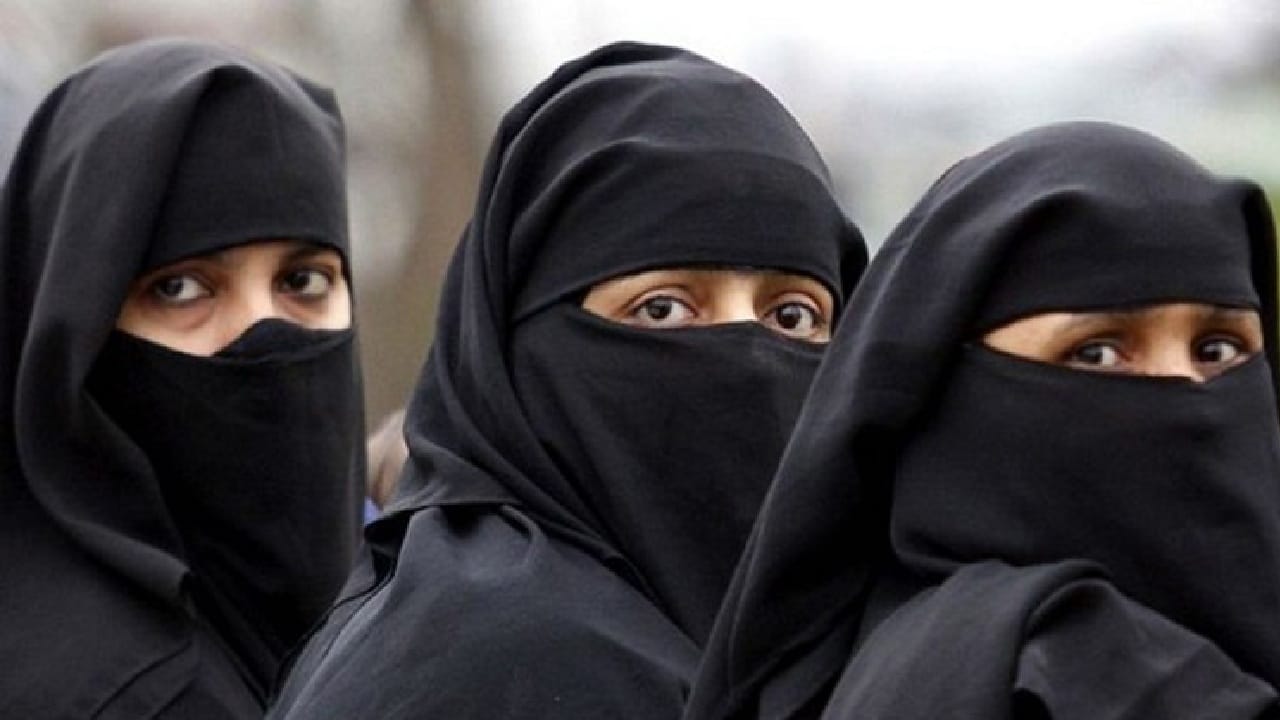
New Delhi: The Taliban has introduced a new penal code, “legalising” domestic violence against women and allowing husbands to physically punish their wives and children as long as it does not cause “broken bones or open wounds”.
The new 90-page criminal code, signed by the Islamist group’s supreme leader Hibatullah Akhundzada, sets out different levels of punishment depending on whether the offender is considered “free” or “slave.”
The Taliban has not explicitly prohibited psychological or sexual violence against women. As per the new code, a husband will face a maximum of just 15 days in prison if there are “visible fractures or injuries” in cases of “obscene force”.
Women need to show injury marks in court
In addition to this, the woman will have to show her injury marks in the court while remaining fully covered. If she fails to prove abuse before the judge, the husband will not be convicted. Her husband or a male chaperone is also required to accompany her to the court.
The new panel code has also introduced stringent rule for women for meeting her relatives without her husband’s permission. The rule says if a married woman visits her relatives without seeking her husband’s permission, she can be jailed for up to three months.
The new code abolished the 2009 law on Elimination of Violence Against Women (EVAW), which was introduced by the previous US-backed regime.
Human rights body denounces Taliban’s new penal code
Rawadari, an Afghan human rights organisation that operates in exile, has appealed to the United Nations and other international bodies for an “immediate halt of the implementation of the criminal procedure code” and to “utilise all legal instruments” to prevent it from becoming a reality.
Reem Alsalem, the current United Nations Special Rapporteur on violence against women and girls, wrote on X, “The implications of this latest code for women and girls is simply terrifying. The Taliban however have understood, and understood correctly, that no one will stop them. Will the international community prove them wrong? And if so when?”
According to rights groups, people are hesitating to speak against the new code even on conditions of anonymity as the Taliban has states that discussing the new code itself is an offence, The Independent reported.