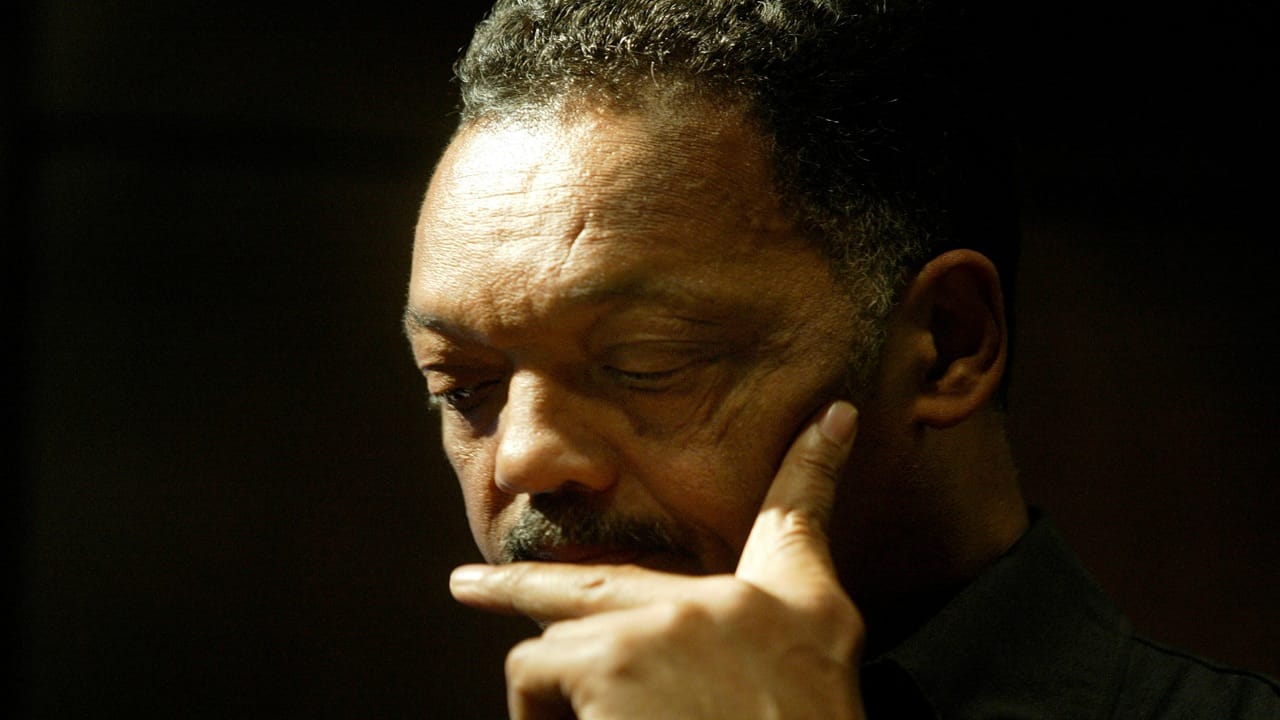
New Delhi: Veteran US civil rights leader Reverend Jesse Jackson passed away on Tuesday at the age of 84, AFP reported. A Baptist minister, Jackson had been active in the civil rights movement since the 1960s. He had marched alongside Martin Luther King Jr., helping raise funds to support the struggle for equality and remained a steadfast civil rights activist throughout his life.
Mourning all across
“Our father was a servant leader — not only to our family, but to the oppressed, the voiceless, and the overlooked around the world,” Jackson’s family said in a statement. “His unwavering belief in justice, equality, and love uplifted millions, and we ask you to honor his memory by continuing the fight for the values he lived by.”
Jackson was one of the most prominent African American US citizens. He also made two unsuccessful bids for the Democratic Party nomination for the President in the 1980s. Former US President Barack Obama wrote on X, “We stood on his shoulders,” saying Jackson laid the foundation for his own historic victory decades later and praised Jackson as “a true giant.”
US President Donald Trump also took to social media to convey his mourning on Jackson’s death, saying, “The Reverend Jesse Jackson is Dead at 84. I knew him well, long before becoming President. He was a good man, with lots of personality, grit, and “street smarts.” He was very gregarious – Someone who truly loved people!”
An illustrious, meaningful career
Jesse Jackson’s life, at least in the broad strokes of it, looks almost cinematic. A boy born under segregation in Greenville, South Carolina grows up to be one of the most recognisable voices of American activism.
Jackson entered public life through student protests, then moved into the orbit of Martin Luther King Jr. during the civil-rights era, working through the Southern Christian Leadership Conference. There the relatively young Jackson helped organize campaigns that linked race, jobs and dignity.
Be it leading economic boycotts under Operation Breadbasket or building his own activism platforms later, Jackson in his career kept shifting directions but the overall impetus of the work and the intent behind it remained consistent, a strong moral authority against discrimination and injustice of all kinds.
This was well exemplified by his two bids towards the US presidential runs in the 1980s. These were more symbolic than practical, aimed at bringing marginal voices to mainstream political forums. The legacy of Jackson thus remains ever strong. The work was all inclusive, like Operation PUSH and the Rainbow Coalition, pushing the idea that civil rights were inseparable from economic opportunity. Jackson tried to bring about everyday practical changes as tools of actualised empowerment rather than just abstract ideals. Ideas that are sure to help inspire generations of those working to make similar positive changes in their communities.