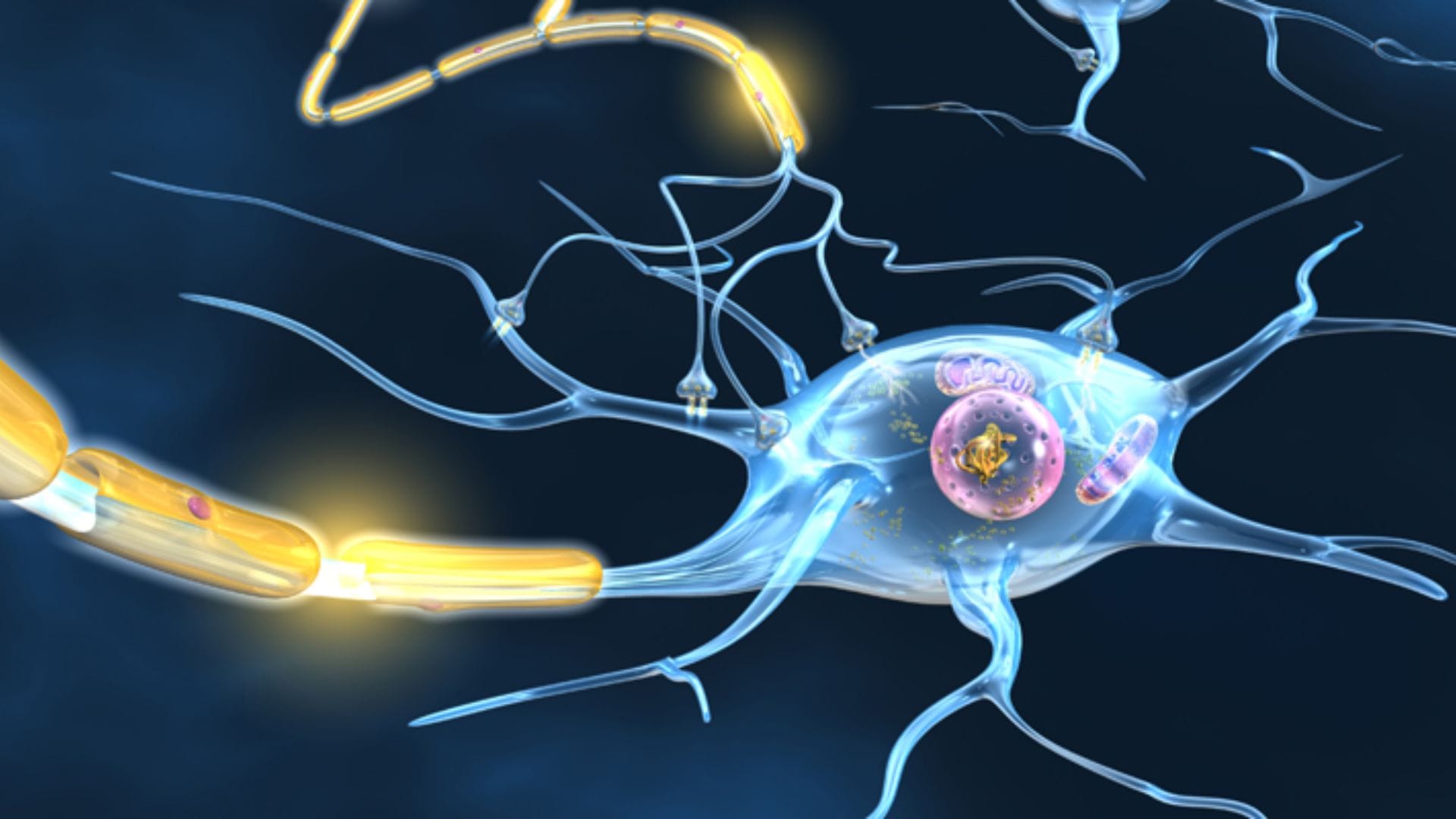
New Delhi: An international team of researchers have discovered that the gut microbiome regulates early brain development by influencing myelination, the process that forms the insulating myelin sheath around nerve fibres to enable efficient brain communication. A paper describing the research has been published in Advanced Science. The scientists used germ-free mice and zebrafish models to demonstrate that the absence of gut microbes during early life disrupts the timing, growth and regulation of myelin development. These alterations coincide with changes in neuronal activity, brain metabolism and microglial maturation, indicating interconnected effects across multiple biological systems during critical developmental periods.
In mice, the most significant impacts on gene expression related to myelination and structure appeared around weaning, a phase of rapid shifts in both the gut microbiota and the brain. Live imaging of the zebrafish showed an increase in myelin thickness without changes in the axon size, along with modified interactions between microglia and myelinating cells. Animals without gut microbes exhibited age and sex-dependent differences in these processes. The study extends prior findings on adult myelination to show microbial signals act much earlier, when the brain remains highly sensitive to biological and environmental factors. The effects were conserved across species, supporting the idea that microbiota-brain interactions represent fundamental biology, rather than species-specific traits.
How intestinal microbes influence the brain
The research establish that gut microbes contribute to regulating myelin development in early life and highlight the interactions between biological systems during sensitive windows that shape brain maturation. The research provides a basis for exploring how early gut-brain interactions effect long-term brain health, given the ongoing role of myelination in neural function. Further work is needed to identify specific microbial signals and determine relevance to human development. The research underscores the value of interdisciplinary approaches that combined microbiome science and developmental neuroscience.