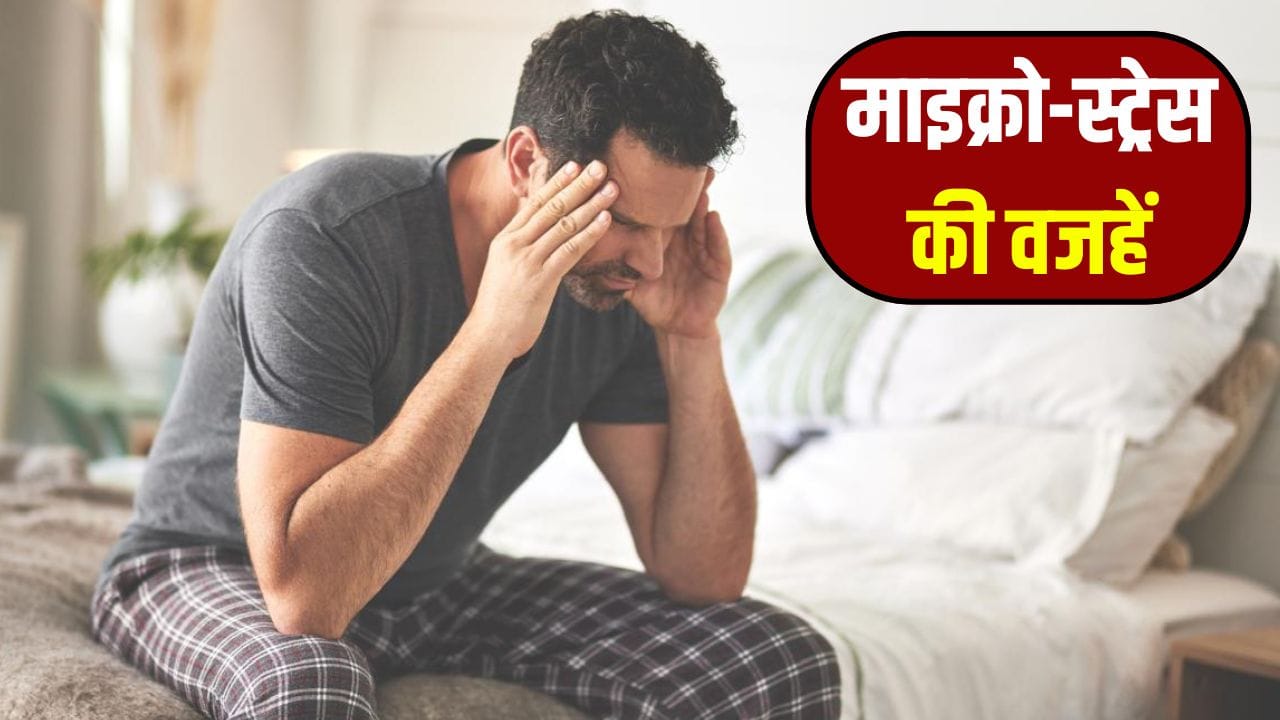
micro stress Image Credit source: Getty Images
Micro stress means small everyday worries, which seem minor but continue to put pressure on the mind and body. Like getting late in the morning, work deadlines, abundance of phone notifications, responsibilities at home and office or someone’s minor irritation. These are not major problems, but due to frequent occurrences, they increase mental stress. Micro stress often occurs when the pressure of expectations on a person is high, time is less and there is no time left for oneself.
Many times people do not consider micro stress serious, because it does not increase suddenly but gradually. Due to this, irritability, restlessness, distraction, getting angry on small things, lack of sleep And symptoms like feeling busy all the time may appear. The person feels that he is constantly in a rush, but does not understand the clear reason. Therefore, it is important to know what effect micro stress has on health and how to prevent it.
What effect does micro stress have on health?
Professor Dr. Subhash Giri, Director, Department of Medicine, RML Hospital. It is said that continuous micro stress increases the stress hormones of the body. This can increase blood pressure and put more pressure on the heart. If this continues for a long time, the immune system may become weak, which may lead to frequent colds or infections. Micro stress also affects the digestive system, causing problems like gas, acidity and stomach pain.
Mentally, a person may feel tired, sad and lack of motivation. Due to lack of sleep, there is lethargy throughout the day and work capacity decreases. Gradually this condition can also cause serious problems like anxiety and depression. Therefore, it is not right to ignore small tensions.
Who is at greater risk?
People who do multitasking, like working women, students or office workers who constantly complete targets, are more at risk of micro stress. People who want perfection in every work or feel pressure to live up to the expectations of others also easily fall prey to this.
Excessive use of digital gadgets and habit of comparison on social media also increases stress. This problem can increase rapidly in people who get less rest and time for themselves.
How to protect?
Take 7-8 hours of sleep daily.
Be sure to take short breaks throughout the day.
Limit mobile notifications.
Get into the habit of time management.
Do light exercise or yoga daily.
Decide your priorities.
Talk openly to family and friends.
