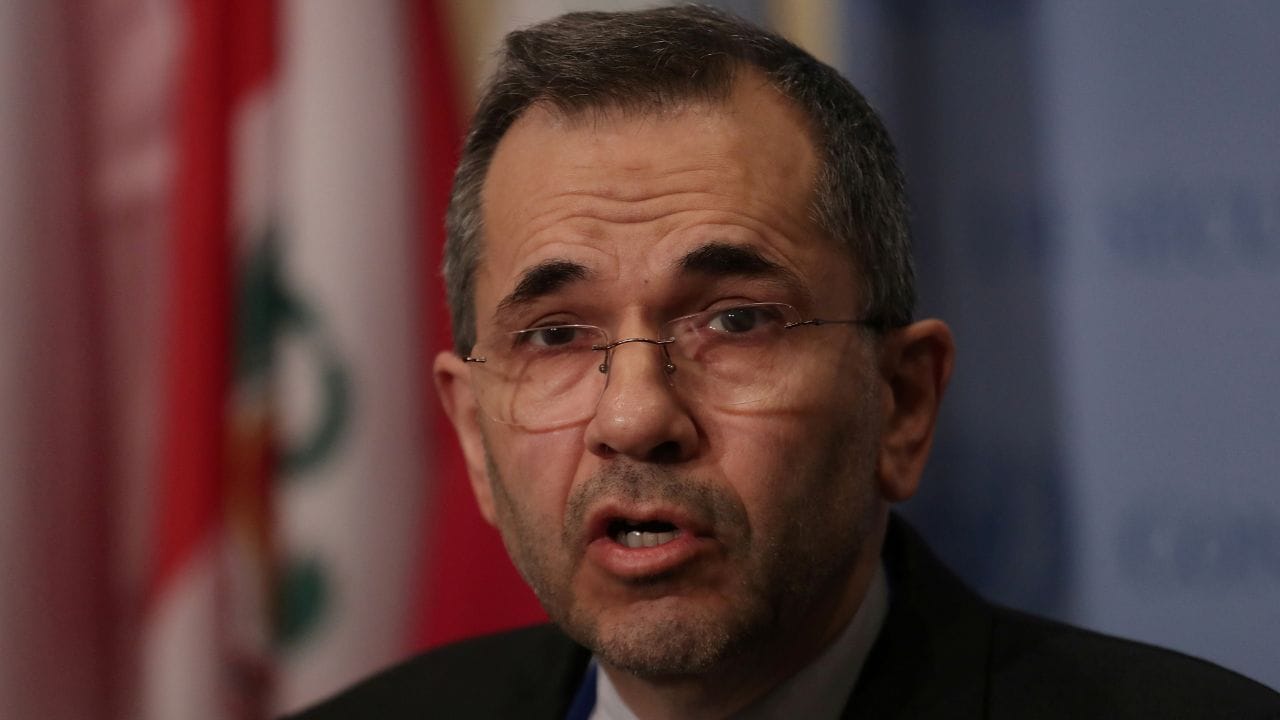
New Delhi: Iran has indicated it may be ready to show flexibility in talks with the United States, provided Washington is prepared to ease sanctions. While speaking to the BBC in an interview published on Sunday, Iran’s Deputy Foreign Minister Majid Takht-Ravanchi said Tehran is open to discussing limits on its nuclear activities if there is serious movement on lifting financial restrictions.
He stressed that the next step depends on whether the US is willing to act in good faith. The comments come ahead of a second round of negotiations set to take place in Geneva on Tuesday, following earlier indirect discussions held in Oman.
Talks resume amid cautious optimism
Mr. Takht-Ravanchi described the initial round of talks as moving in a “more or less positive direction”, though he warned it was too soon to predict an outcome. Both sides appear to be testing the waters after months of stalled diplomacy.
According to reports, a US delegation, including envoys Steve Witkoff and Jared Kushner, is expected to attend the Geneva talks with Omani officials, continuing to mediate.
Iran’s atomic energy chief has also suggested Tehran could dilute its most highly enriched uranium if all financial sanctions are lifted. However, Iranian officials remain firm that zero enrichment is not up for discussion, calling it a red line.
Key differences remain
The US has maintained that uranium enrichment inside Iran raises concerns about potential weapons development something Tehran continues to deny. President Donald Trump has previously warned of possible military action if negotiations fail while also saying he would prefer a deal.
The original 2015 agreement, known as the Joint Comprehensive Plan of Action, saw Iran limit its nuclear programme in return for sanction relief. The US withdrew from the pact during Trump’s first term.
Iran has made clear it will not discuss its ballistic missile programme as part of the current talks, insisting negotiations remain focused solely on nuclear issues.
For now, both sides appear willing to keep talking but major hurdles remain before any agreement can be reached.