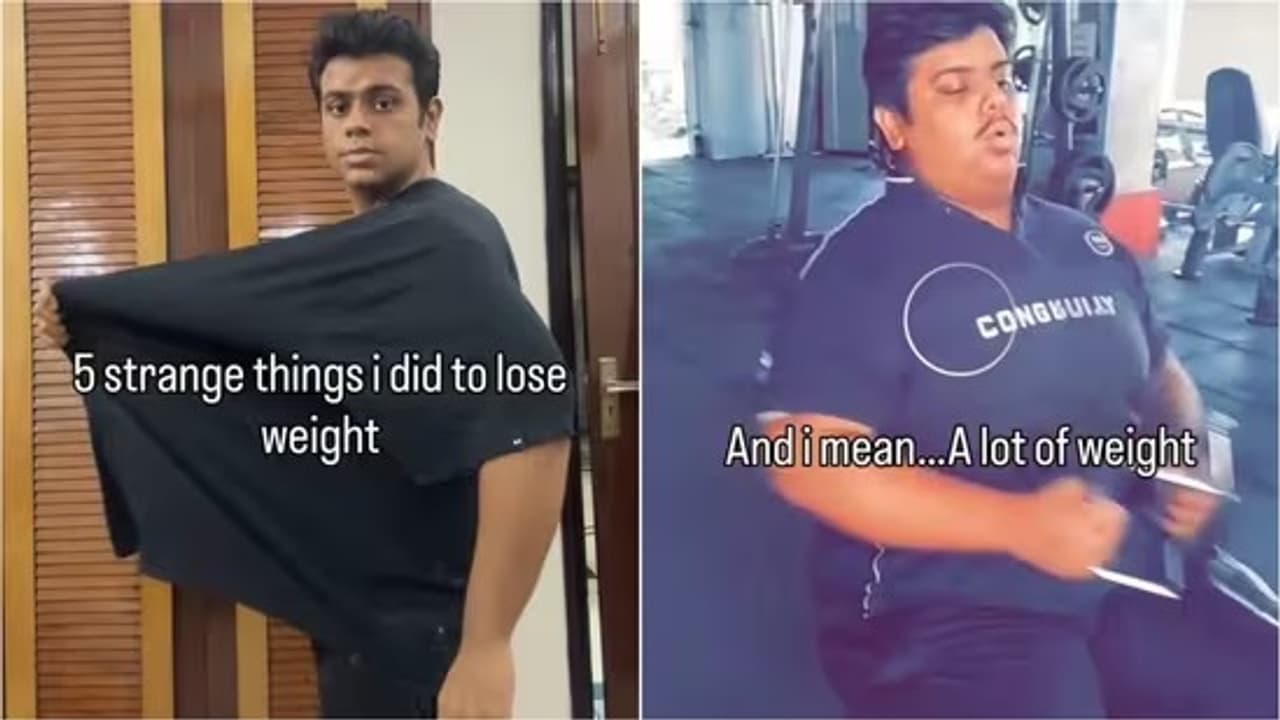
A man named Kuwar Kapur has shared the five simple, sustainable habits that he says helped him lose over 60 kilograms. His method focuses on consistency with protein, sleep, and light activity, not extreme diets or workouts.
Kuwar Kapur has dropped more than 60 kg. He says he did it without “crazy workouts” or “drastic, unsustainable diet changes.” He believes his whole approach is based on five surprisingly basic practices. In a world awash in complicated workout routines and restricted diets, Kapur’s story is a breath of fresh air. It’s a reminder that the best improvements are often those that you can truly do over the long run. So what did he really do? No rocket science it wasn’t.
The Five Point Plan: Consistency, Not Intensities
His idea was based on food, but not in the way you might assume. Kapur concentrated on eating protein-rich food. It wasn’t about taking off carbs or fats, it was about making sure he was full, and giving his body the fuel to develop muscle. He combined this with strict focus on time. Kapur ate at exactly the same hour every day.
This simple act of setting a regular routine may have a big influence on managing the body’s metabolism and hunger cues. Movement was next. Ditch the treadmill hours. Kapur made a commitment to a modest 10-minute walk after every single meal. It’s a gentle habit that helps digestion and quietly increases your daily exercise levels without feeling like a hassle.
His third pillar was something that many people forgo in their hectic lives: sleep. He was particular about obtaining a full eight hours of sleep every night. Getting enough rest is essential for muscle repair, hormone control and general health, and is the foundation of any good health journey. The last item is less of a singular deed and more of a general mindset.
Kapur underlined the necessity of cultivating sustainable behaviours. His whole approach was not meant as a 30-day challenge; it was meant for a lifetime. And that’s the true point here. The more than 60 kg weight loss wasn’t an ambitious short-term drive. It was the result of tiny, incremental, controllable adjustments that accumulated over time. Imagine that.