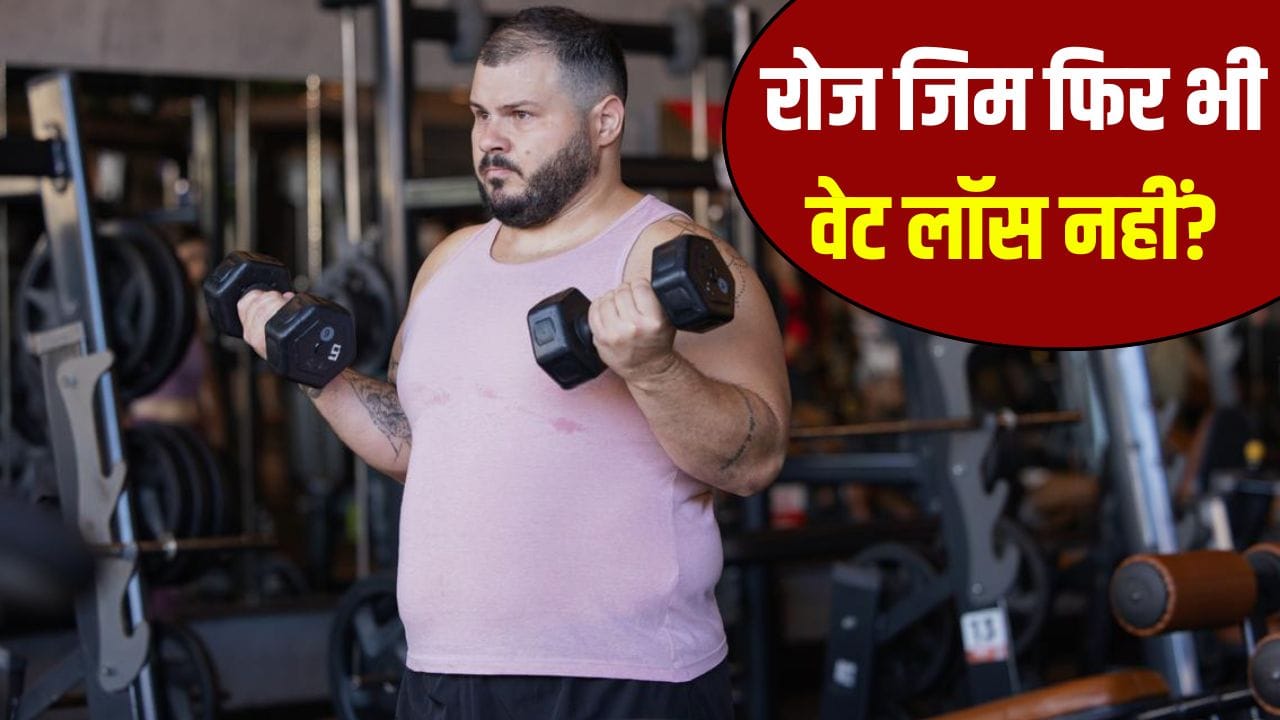
gym and weight lossImage Credit source: Getty Images
If you are going to the gym every day, sweating a lot, still not losing weight, then this is not normal. In such a situation, metabolic resistance can be a reason. This is a condition in which the body’s metabolic process slows down and the speed of calorie burning decreases. This means that the body is not able to spend as much energy as it should. Its signs may include weight remaining stable for a long time, accumulation of fat around the stomach, feeling tired, feeling lethargic even after workout and increased desire to eat sweets.
Many people feel heaviness as soon as they wake up in the morning and feel heavy throughout the day. lack of energy Keeps maintained. Getting tired quickly after a little hard work can also be a sign of this. In some cases, one does not feel fresh even after complete sleep. If such symptoms are seen, it should not be ignored. Let us know the causes and prevention methods of metabolic resistance.
What are the causes of metabolic resistance?
Dr. Ajit Jain at Rajiv Gandhi Hospital Explains that metabolic resistance can develop due to many reasons. Taking an unbalanced diet for a long time, consuming too much processed food and sugar affects the insulin response of the body. Lack of sleep also slows down metabolism, causing the body to lag behind in converting fat into energy.
Constantly being under stress causes hormonal imbalance, which affects the weight loss process. Consuming a very low calorie diet for a long time also puts the body into saving mode and reduces calorie expenditure. Apart from this, hormone related problems, such as thyroid imbalance, can also affect metabolic rate.
Who is at greater risk of metabolic resistance?
People whose lifestyle involves sitting and working are more at risk. The possibility also increases if there is a history of diabetes or obesity in the family.
Irregular eating habits, less physical activity and prolonged weight gain also increase the risk. This problem can be seen more in women during hormonal changes.
What is rescue?
It is important to take a balanced and nutritious diet, which includes protein, fiber and healthy fats. Along with regular exercise, also pay attention to strength training. Get enough sleep and try to reduce stress.
Avoid crash diets, that is, do not try to lose weight quickly by eating very little food, but aim to lose weight slowly and in a healthy manner. Regular health checkup can also be beneficial.