inflation rate
Times changed, people changed and their ways changed. Yes, the standard of living of people in India is changing rapidly. Which gives a new signal to the country’s economy. The government recently updated its index measuring inflation. It was updated in CPI that people are now spending more on services than food. That means it was not just about bread. The scale of expenditure is changing in the country, hence the index also changed.
The latest Consumer Price Index (CPI) figures for January are not just new inflation numbers. Inflation, which reached 2.75%, has again come within the target band of the Reserve Bank. At first glance, this appears to be just a routine statistical update, which should have happened already as the old basket was based on the consumption pattern of 2011-12. But behind this technological change lies the story of major changes taking place in the economy.
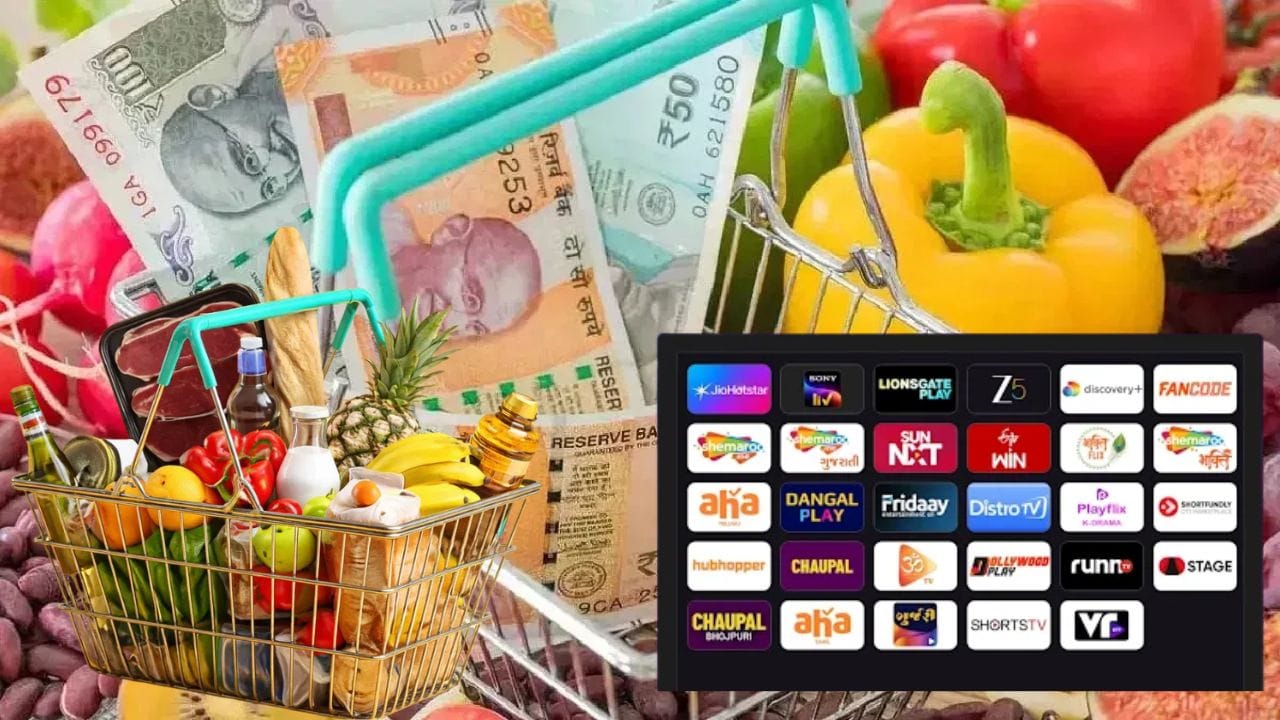
The revisions to the CPI basket not only modernize the way inflation is measured, but also reflect how the spending priorities of Indian households have changed over the past decade. The weightage of food items has decreased, while new age expenses like services, housing and OTT have gained more importance. This shift from roti to OTT indicates that the Indian economy is no longer limited to just basic needs, but is rapidly moving towards diversified and discretionary consumption.
Why was there a need to reset the CPI basket?
To measure inflation correctly, it is important to understand what people buy and how much they spend on what. When people’s spending patterns change, it becomes necessary to change the index also. The previous CPI basket was based on the expenditure pattern of 2011-12. At that time, digital services, organized retail, app-based transport, streaming platforms, new fuels like CNG and PNG had not become common rapidly.
In the new series, the base year has been changed to 2024 and new data sources like digital and government records have been added to it. For the first time, rents of rural houses have been included and the sample size of housing in rural and urban areas has been increased. Prices of e-commerce websites have also now been added to the index. Things like OTT subscriptions, airfares and telecom plans are now formally tracked. Whereas old things like VCR, cassette player and coir rope have been removed. These changes increase the accuracy of the data. It also shows that digital subscription and modern lifestyle have become a part of today’s society.
Big change in food structure
The biggest change in the new CPI is the reduction in the weightage of food, which was earlier around 46% and has now become around 37%. Food is still the largest component of CPI and has a major impact on inflation at 37%, but the decline in it is economically significant in itself. Food prices are often unstable. These are affected by monsoon, supply problems and global commodity trends. Lower weighting means that fluctuations in headline inflation may be slightly less. If the share of food has decreased, it means that people are not eating less food, but other expenses are increasing faster as their income increases.
What do household expenditure figures tell?
According to the Household Consumption Expenditure Survey, the average monthly per capita expenditure (MPCE) in rural India increased from Rs 1,430 in 2011-12 to Rs 3,773 in 2022-23. In urban India it increased from Rs 2,630 to Rs 6,459. That means the expenses have more than doubled in about a decade. The share of expenditure on food in rural areas decreased from 52.9% in 2011-12 to 46.38% in 2022-23. In urban areas it decreased from 42.62% to 39.17%. This clearly means that both the total income and expenditure of the people have increased, but the share of food is gradually decreasing. Now people are spending more on clothes, transport, home, healthcare, education and entertainment.
Increase in service expenses
Things like rural housing, streaming services, digital devices, value-added dairy products and babysitting have been added to the new CPI basket. This reflects changes in lifestyle and needs. It is important to include rural rent because now the trend of renting and renting houses has increased in villages also.
The inclusion of online media subscriptions and digital services reflects India’s growing digital economy. Telecom plans, OTT platforms and air travel are no longer limited to only the rich, but have become a part of the budget of common families. This change is a sign of an economy that is moving from lower-middle income to middle income. As income increases, families start spending not only on basic needs but also on convenience and experiences.
food is still important
Although the change is big, it should not be exaggerated. Food is still the biggest component of inflation with about 37% weightage. In a country like India where the rural population is high, food security and price stability are still a big concern.
The CPI change for January 2026 shows that India’s spending pattern is changing. Household expenditure has increased significantly in the last 10 years and its share has shifted from food to housing, services and modern things. This change in CPI may seem technical, but it clearly shows the changing consumption story of India.
Also read- The entire tax calculation will change from this day! These 4 major changes in the new income tax law
