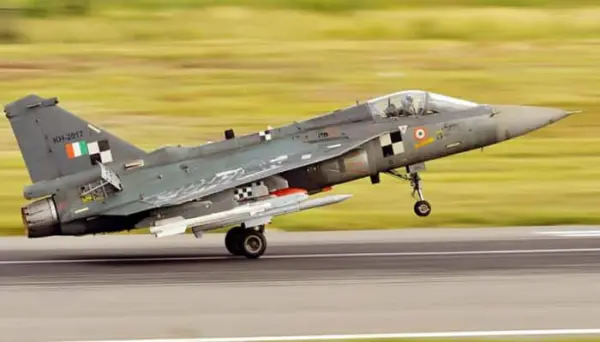
New Delhi: Indias Tejas Mk1A fighter jet programme has got a boost after the Hindustan Aeronautics Limited (HAL) received the seventh F404-IN20 engine from US aerospace major GE Aerospace.
The company has also fixed the technical issue found in the sixth engine and cleared another hurdle for the aircrafts production process.
The latest development comes as the HAL works towards delivering the first batch of Tejas Mk1A fighters to the Indian Air Force (IAF) by the end of this year, subject to completion of integration, certification and approval processes. However, the programme is still running more than two years behind its original schedule due to delays in engine supplies and other technical requirements.
The F404-IN20 engine is one of the most important components of the Tejas Mk1A. It provides the fighter aircraft with the required thrust, speed and manoeuvrability needed for combat operations. GE supplies these engines to the HAL for the indigenous fighter programme.
GE fixes sixth engine issue
The sixth engine had developed a technical issue after reaching India and undergoing HALs quality checks. The HAL informed the GE about the issue, after which the company carried out the required repair work and restored the engines operational capability.
After completing its inspection, the HAL has cleared the engine for use. The resolution of the issue and arrival of the seventh engine have helped improve the pace of the programme.
The regular supply of engines is important for keeping the Tejas Mk1A production line moving. Any delay in engine availability directly affects aircraft assembly schedules because the it is a critical part of the fighters manufacturing process.
Why Tejas Mk1A programme faced delays
The Tejas Mk1A project has faced delays mainly due to challenges related to engine deliveries and aircraft integration. The Ministry of Defence (MoD) and the IAF have been monitoring the progress of the programme.
The HAL has also incorporated several changes and upgrades requested by the Air Force, which added time to the development and production process.
The improved pace of engine deliveries now provides some relief to the programme. If the HAL completes the remaining integration and testing work on schedule, the first batch of Tejas Mk1A aircraft could be handed over to the IAF by the end of 2026.
Advanced version of Indias indigenous fighter
The Tejas Mk1A is an upgraded version of Indias Light Combat Aircraft (LCA) and comes with improved radar systems, electronic warfare capabilities, weapons integration and better overall performance.
The IAF has placed an order for 83 Tejas Mk1A fighters, which are expected to strengthen the countrys fighter fleet. The aircraft also has a higher share of indigenous components compared to earlier versions, supporting the countrys push for domestic defence manufacturing.
However, the engine continues to be sourced from a foreign partner. India has been working towards developing an indigenous fighter engine through projects such as the Kaveri engine programme, but the GE partnership is important for the present Tejas Mk1A fleet.
Why faster deliveries is important
The timely induction of Tejas Mk1A fighters is important for the IAF as its older aircraft, including the MiG-21 fleet, are being phased out. Delays in new aircraft deliveries have affected plans to maintain the required number of fighter squadrons.
Defence experts believe smoother coordination between the HAL and the GE will help avoid similar issues during future production stages.