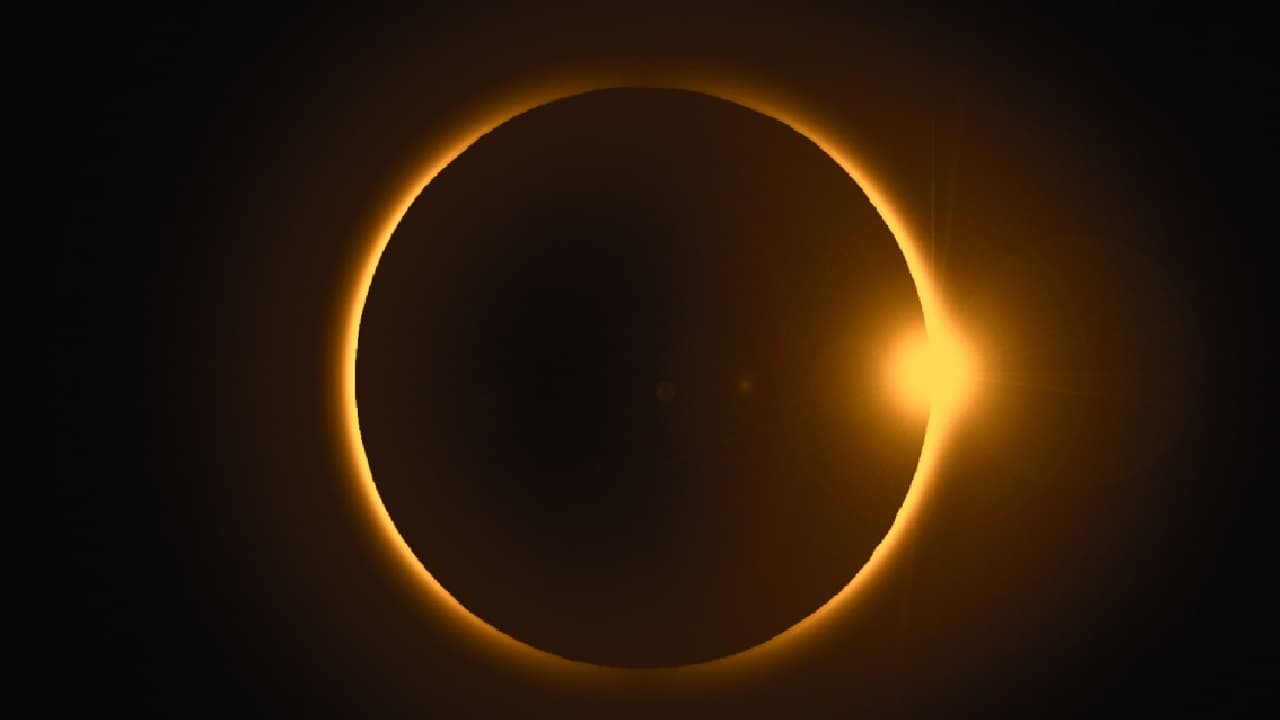
Unlike many solar eclipses that attract millions of spectators, this event will be visible in its full annular form only to a small number of people stationed in Antarctica. The eclipse path is relatively narrow, stretching approximately 759 kilometres across remote polar regions. Most of this path passes over uninhabited Antarctic terrain.
Two research facilities fall directly within the eclipse track. Concordia Station, located on the Dome C plateau and jointly operated by European partners, will offer one of the best viewing points. During summer months, about 80 personnel stay there. The Mirny Station, a Russian coastal research base in Queen Mary Land, will also witness the full annular view, hosting between 50 and 200 residents.
Outside Antarctica, only partial eclipse phases will be visible. Regions in southern Argentina and Chile may observe the eclipse during sunrise, while parts of southern Africa could catch limited partial views. North America, Europe, and most of Asia will miss the event entirely.