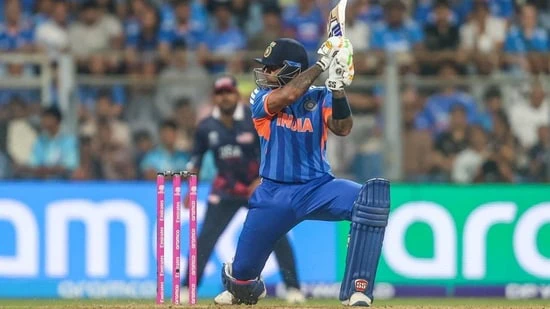
India’s T20 World Cup title defence began with a reminder that in this format, panic spreads fast. Against the United States in Mumbai, India were 77 for 6 at one stage, with the innings threatening to fold into a headline about complacency.
Instead, Suryakumar Yadav did what he has quietly made routine as captain: slow the noise, pick the safest scoring options, and then accelerate once the game stops wobbling. His unbeaten 84 off 49 balls lifted India to 161 for 9 and set up a 29-run win – the kind of start that looks comfortable on paper but is built on one player refusing to let a wobble become a collapse.
The rescue act is also the backdrop of what Gautam Gambhir has recently said about the Indian T20I captain. Speaking to Star Sports, India’s head coach didn’t sell it as a batter’s masterpiece as much as a captain’s temperament – the currency any coach values most in crunch situations.
“Sometimes, as a coach, you know you can think about a lot of other things because you know that he is going to keep the atmosphere pretty much calm. What any coach can dream of. For me, I think, Surya the leader has ticked every box, which has made my life a lot easier. It is a great thing to have someone like him leading the country because his heart is in the right place and he takes the right decisions especially when things are under pressure,” said Gambhir.
It is a compliment that lands because it isn’t flowery – it is functional. Coming from Gautam Gambhir, it is almost a coach note: protect the dressing room, keep communication clean, and the tactics will follow.
He is effectively saying the captain has removed the biggest variable from T20 cricket: emotional volatility. When a top order caves in a hurry, leadership can either amplify the chaos or absorb it. Suryakumar Yadav, in that opener, chose absorption – then trusted his bowlers to defend a total that looked merely par.
This is also why India’s dressing room feels different in this cycle. The batting is still aggressive, the bowling still looks potent, but the moments when plans fracture has begun to look calmer that it used to. That, more than anything else, is what turns strong teams into champions.
India now move to Delhi to face Namibia on February 12, carrying the simplest advantage in a short tournament: a captain who keeps the room steady when the situation is not exactly going the team’s way.