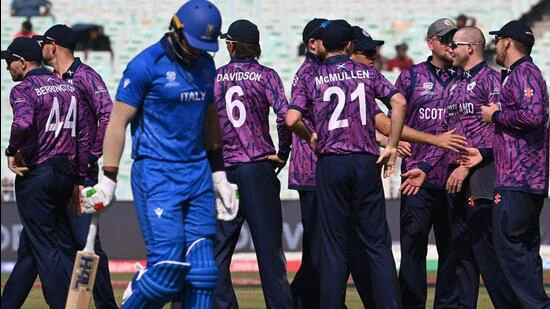
New Delhi: Pakistan won by 3 wickets with 3 balls remaining. A dropped catch in the second last over gave them the lifeline they needed against Netherlands.
India had to recover from 77/6 against USA to eke out a 29-run win. A dropped catch when Suryakumar Yadav was on 15 came back to haunt them. The India skipper went on to get 84 not out off 49 balls.
Nepal’s ‘Cardiac Kids’ had England on the mat, needing 10 from the final over to win. They got only six.
The story has repeated itself in the early rounds of the 2026 ICC Twenty20 World Cup and it is tempting to say that these teams are punching above their weight. Perhaps a more accurate assessment would indicate that they are all in the right weight class. More experience and opportunities will ensure that cricket’s competitive pool will grow larger at a rapid rate.
Associate nations have caused a flutter at big tournaments from time to time. Sri Lanka showed the world a glimpse of what lay ahead when they became the first Associate side to win a game in ICC Cricket World Cup history. They beat India by 47 runs in 1979 but given how India were struggling with the format, many could make peace with that.
Zimbabwe were the sole Associate at 1983, ’87 and ’92 ODI World Cups. They started Group B in 1983 with the first shock of the tournament, beating Australia in a match that Wisden described as “a bigger surprise than any in the previous two World Cups”. Well, they had India in big trouble too at 17/5 until Kapil Dev’s epic 175 (next highest was Syed Kirmani’s 24) changed things.
The next two editions of the ODI World Cup were a quiet time for the Associates but 1996 saw them really come to the party with Kenya.
The African nation beat West Indies by 73 runs with a great bowling performance in Pune. After being bowled out for 166, Maurice Odumbe’s 3/15 helped them dismiss the opposition for 93 to claim their first-ever win in a One-Day International. Few who watched those celebrations will ever forget the unbridled joy of that moment.
Bangladesh had their moment in the sun in 1999 when they beat Pakistan while Kenya once again upset the applecart by reaching the semi-finals in 2003.
The moments have become more frequent since then. Ireland’s heroics against Pakistan in 2007 had all the drama and excitement you’d want from a game and it took them into the Super Eights.
The T20 format has been an even greater leveller. Netherlands beat England by five wickets at Lord’s in the tournament opener in 2009. Afghanistan beat West Indies in 2016. Namibia beat Sri Lanka and Ireland beat England in 2022. USA beat Pakistan in 2024. And this edition, we haven’t got the upsets yet but they’ve done enough to put bums in the seats the next time they play.
“We will not take any of the teams lightly. And all other teams in this tournament will not take any teams lightly. So that’s the message. We as a team need to be on our 100%,” said Nepal skipper Rohit Paudel. “The fans are very passionate. The whole of Kathmandu, whole of Nepal came here to support us. We carried their belief, and I think all of Nepal will be proud of us.”
Proud they will be for sure because there are no real blowouts anymore. The rise of T20 leagues has meant the gap between full-member nations and associate nations is smaller than ever.
“First of all, I do think all the associate nations have caught up with the T20 format with the Test nations really well, especially maybe from 7, 8, 9, 10, 11. So credit to all the Associate countries for how they have grown in the T20 format, and rightly so,” said Zimbabwe skipper Sikandar Raza on Sunday. “And hopefully the game can keep spreading and the gap can be even smaller.
“With the help of franchise cricket as well, a lot of those associate cricketers do find all those franchise gigs here and there as well. And they take those lessons and learnings back home, share with the guys who maybe didn’t manage to get that gig. So, thanks to all those factors, T20 cricket has been brought a lot closer.”
And in this narrowing divide lies cricket’s opportunity to go truly global. In any sport, you will always have stronger nations but the ICC and top nations need to do their part too – playing the Associates shouldn’t be looked upon as a favour anymore. They deserve regular matches against the best even outside the World Cups, because, at the end of the day, the more will always be the merrier.
It has been said before but cricket has to take the long view. Much of the moaning about too much cricket also comes from the fact that it is this small coterie that keep playing each other all the time. Change that and you’ll change cricket for the better.