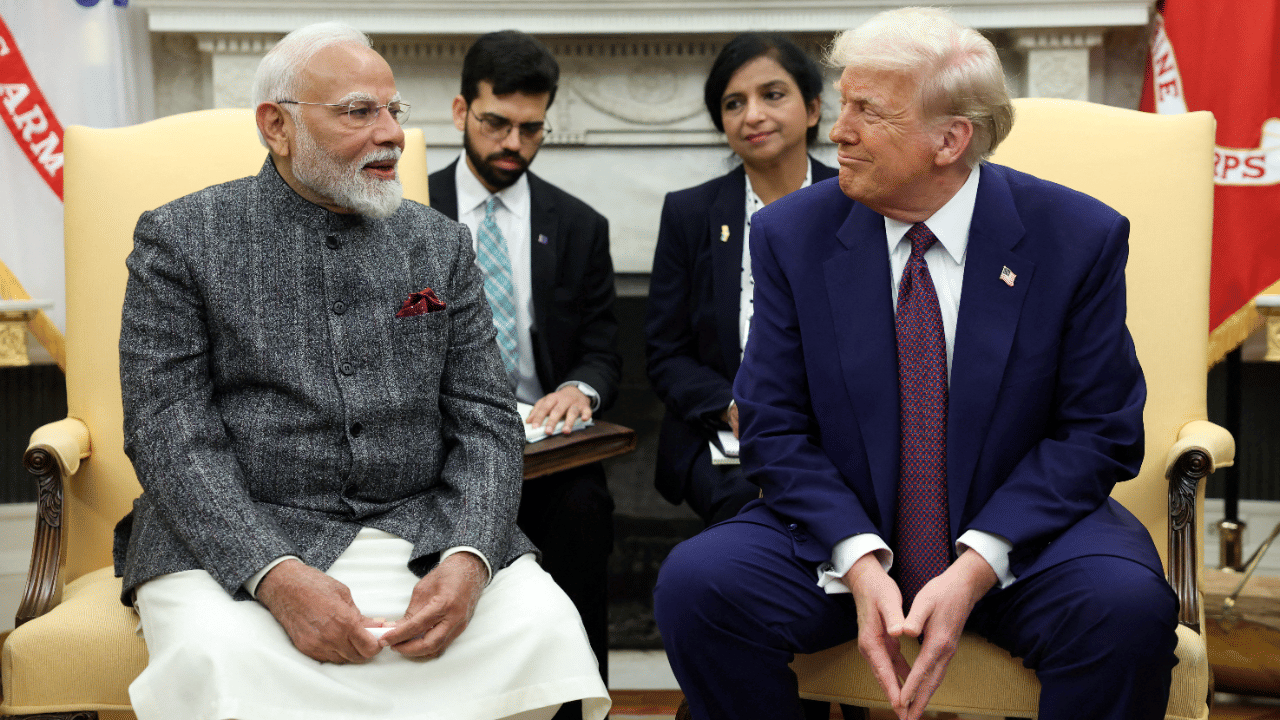
New Delhi: In a massive geopolitical pivot, India’s record-breaking appetite for discounted Russian crude is facing a sudden and sharp contraction. Following a high-stakes executive order from US President Donald Trump, industry insiders warn that India’s imports of Russian oil could plummet by nearly 50 per cent, potentially ending an era of energy cooperation that began at the onset of the Ukraine war.
Trade deal vs. Russian crude
The catalyst for this shift is a newly detailed trade agreement between Washington and New Delhi. According to a White House executive order issued Friday, “India has committed to stop directly or indirectly importing Russian Federation oil.”
The stakes are remarkably high: the US has signalled that import tariffs on all Indian goods could be hiked significantly if New Delhi resumes or continues its high-volume purchases from Moscow. This “carrot-and-stick” approach links India’s broader economic access to the American market directly to its energy ties with the Kremlin.
Refiners in retreat
The impact on the ground has been immediate. Nearly all of India’s major state-owned and private refiners—including Indian Oil Corp., Bharat Petroleum Corp., and Reliance Industries Ltd., have hit the “pause” button on fresh spot cargo orders.
Refiners have been in a state of paralysis for about a week, ever since Trump first teased the deal on social media. While these processors will honor already-booked cargoes, they are avoiding new commitments as they wait for official guidance from the Indian government, which has yet to provide a clear roadmap.
Imports, which averaged 1.2 million barrels a day in January (down from a 2024 peak of 2 million), are expected to settle between 400,000 and 500,000 barrels a day once the current unwinding is complete.
The lone outlier: Nayara Energy
While the giants retreat, Nayara Energy Ltd. remains the exception. Backed by Russia’s Rosneft, Nayara is expected to continue importing roughly 400,000 barrels a day. Analysts suggest this is due to the company’s unique sanctioned status, which makes it nearly impossible for them to source crude from non-Russian producers. It remains unclear if Washington or New Delhi will grant Nayara a specific exemption.
New Delhi’s delicate balancing act
The Indian Ministry of External Affairs is walking a diplomatic tightrope. On Saturday, spokesperson Randhir Jaiswal stated that the nation’s “energy security” remains its “supreme priority.” While India has confirmed the existence of the trade deal, it has remained silent on the specific “oil ban” clauses mentioned by the White House, opting instead to speak generally about “diversifying” its energy imports.