PCB is weighing a U-turn on its India boycott for the T20 WC 2026 amid heavy ICC and board pressure. However, it wants a higher revenue share and revival of bilateral series first, with the threat of major financial and diplomatic fallout looming.
The Pakistan Cricket Board (PCB) has continued to keep the uncertainty over the high-profile India clash alive, even as the mounting pressure from the International Cricket Council (ICC), the Sri Lanka Cricket (SLC), and the fellow stakeholders pushes it closer to a boycott U-turn.
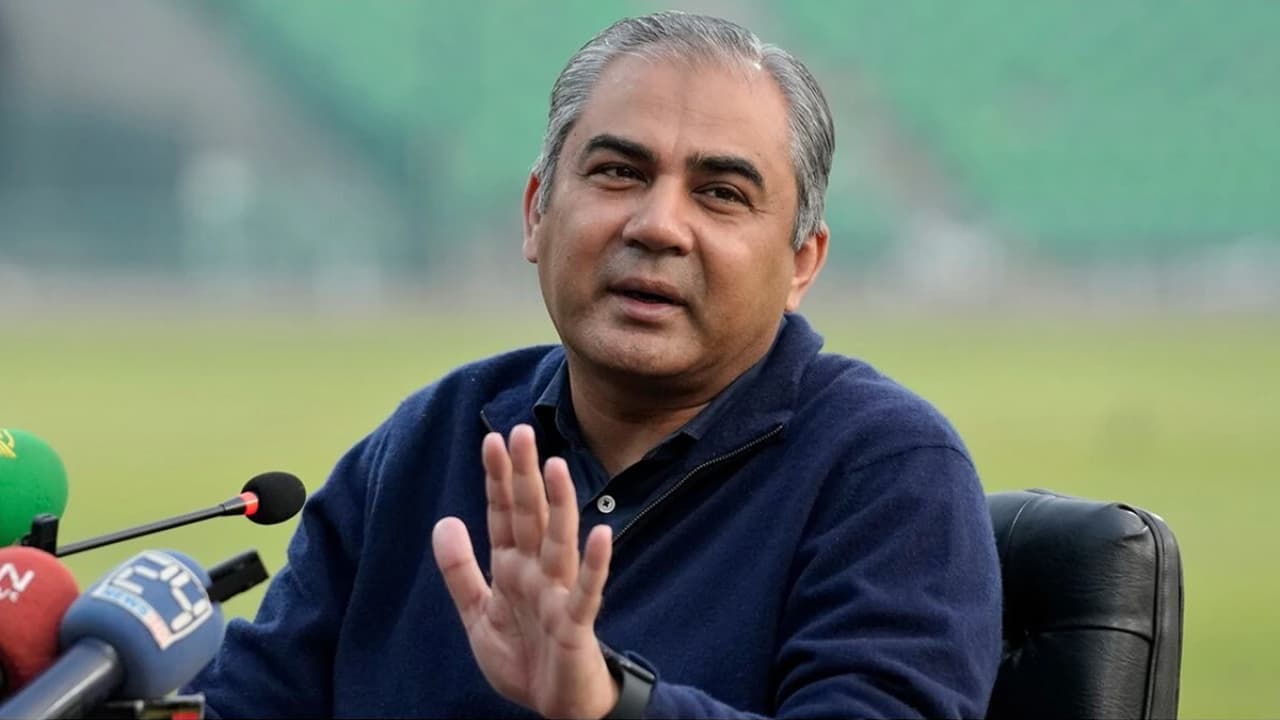
On Sunday, the PCB chief Mohsin Naqvi and Bangladesh Cricket Board (BCB) chairman Animul Islam met with ICC deputy chairman Imran Khawaja at Gaddafi Stadium in Lahore to discuss Pakistan’s stance on the Team India clash at the T20 World Cup 2026 and explore a possible resolution to the boycott row.
Scroll to load tweet…
The meeting took place just a few days after the Pakistan Prime Minister, Shehbaz Sharif addressed the Federal Cabinet meeting, where he officially confirmed that the national team will not face Team India in the February 15 clash at R Premadasa Stadium in Colombo, describing it as ‘field of play’ rather than politics, while extending its support for Bangladesh, who were removed from the marquee event after refusing to play their group stage matches in India.
Pakistan’s stance has been viewed as merely politically driven, rather than a cricketing concern, as it is an act of solidarity with Bangladesh. PCB chief Mohsin Naqvi has criticized the ICC for the perceived treatment of Bangladesh.
PCB Sets 3 Demands Before ICC for Boycott Revocation
The Mohsin Naqvi-led PCB maintains a firm stance on the Pakistan government’s directive. However, the board is reportedly set to revoke its call for the boycott of the much-anticipated T20 World Cup 2026 clash against Team India, but only if the International Cricket Council (ICC) agrees to certain conditions.
Firstly, the ICC wants Team India to uphold the spirit of the game by shaking hands with Pakistan. In the Asia Cup 2025, the Men in Blue, led by Suryakumar Yadav, refused to shake hands with the Pakistan players as a mark of protest against the Pahalgam terror attack in April 2025, and the India skipper dedicated the team’s victory in the group stage match against their arch-rivals to the Indian Armed Forces for successful Operation Sindoor.
Secondly, the PCB demands an increase in its ICC annual share of revenue. Currently, the Pakistan Cricket Board (PCB) will receive $34.5 million as a share of revenue from the world governing body of cricket, as per the ICC’s existing revenue distribution model. However, the board is pushing for a higher share as part of its conditions to revoke the boycott, which the ICC is unlikely to concede to in the middle of an ongoing tournament cycle.
Scroll to load tweet…
The third demand laid out by the PCB was that the ICC help facilitate the resumption of bilateral series between India and Pakistan, which was indefinitely suspended by the BCCI following the 2016 Uri Attack, and further strained after the Pahalgam terror attack in 2025. arguing that reopening regular cricketing ties is a key step toward restoring goodwill between the two boards.
As of now, India and Pakistan’s encounters have been restricted to ICC and ACC tournaments, with bilateral cricket remaining off the table due to ongoing political and security concerns.
Pressure on PCB to Revoke Boycott as ECB Steps In
Though the Pakistan Cricket Board (PCB) has reportedly placed its demands before the ICC to revoke its stance on boycott Team India clash at the T20 World Cup 2026, Pakistan is facing mounting pressure from multiple stakeholders to reconsider its stance. Now, the Emirates Cricket Board (ECB) has written a letter to the PCB urging them to rethink their boycott call against Team India.
ECB, which has been one of Pakistan’s strongest allies in recent years, reportedly reminded the PCB of the support it extended when Pakistan needed a neutral venue to host international cricket, while also flagging the massive financial and commercial losses that all stakeholders could incur if the marquee India–Pakistan clash does not go ahead as scheduled.
“The Emirates Cricket Board reminded the PCB of how they were there to help out when Pakistan really needed it. The India-Pakistan match generates revenue for all stakeholders, and nobody wants to see major revenue go away. So the PCB has been requested to reconsider the decision,” a PCB source told the Hindustan Times.
“We are hopeful that better sense would prevail and Pakistan decides to take the field against India later this week,”
Scroll to load tweet…
The pressure from the Emirates Cricket Board came after Sri Lanka Cricket urged the PCB to reconsider its stance on the Team India clash, citing financial losses and the impact on tourism. Pakistan’s stance appeared to be on the verge of backtracking as pressure from multiple stakeholders, including SLC and ECB, continued to mount, with financial implications and tournament stability emerging as key factors behind the likely ‘u-turn’.
This is another setback for the Pakistan Cricket Board, as they earlier approached every member of the ICC board for support over its boycott of the clash against Team India, but they failed to win backing from any other board, leaving Pakistan increasingly isolated in its stance and without a single international cricket board publicly endorsing its decision.
Possible Implications for PCB
After the Government of Pakistan put out its first official statement on boycott Team India clash at the T20 World Cup 2026, the International Cricket Council (ICC) slammed the decision, saying, ‘selective participation undermines the spirit and sanctity of global competitions’, and urged Pakistan to reconsider its stance while warning the PCB of ‘significant long-term implications’ for the country’s cricket if the boycott goes ahead.
Since Pakistan’s stance does not come under the ICC-approved exemption, PCB could face strained relationships with other boards and limited influence in ICC decisions, affecting future series and player opportunities.
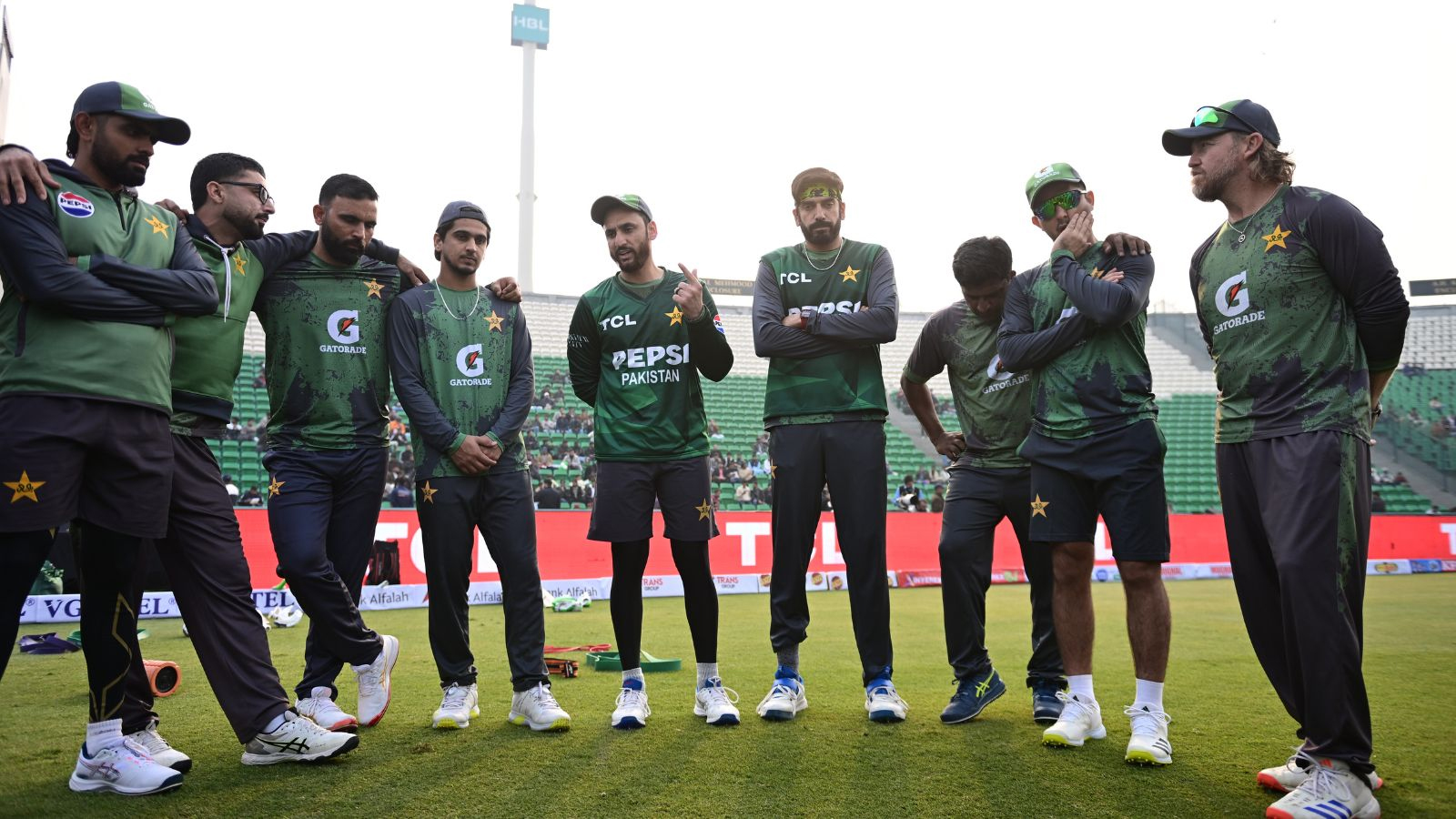
It was reported that the Pakistan Cricket Board could face severe financial implications, including penalties, freezing of the annual share of revenue from ICC, and restrictions on overseas participation in domestic leagues such as the PSL. Additionally, Pakistan may lose rights to host the ICC tournaments in the future. The broadcasters are likely to sue PCB for breaching the contractual obligations.
As per the reports, the PCB’s share of the annual revenue of $34.5 million will be paid to the broadcasters to cover their losses. Therefore, Pakistan’s stance of not boycotting the Team India clash could trigger legal and financial consequences.