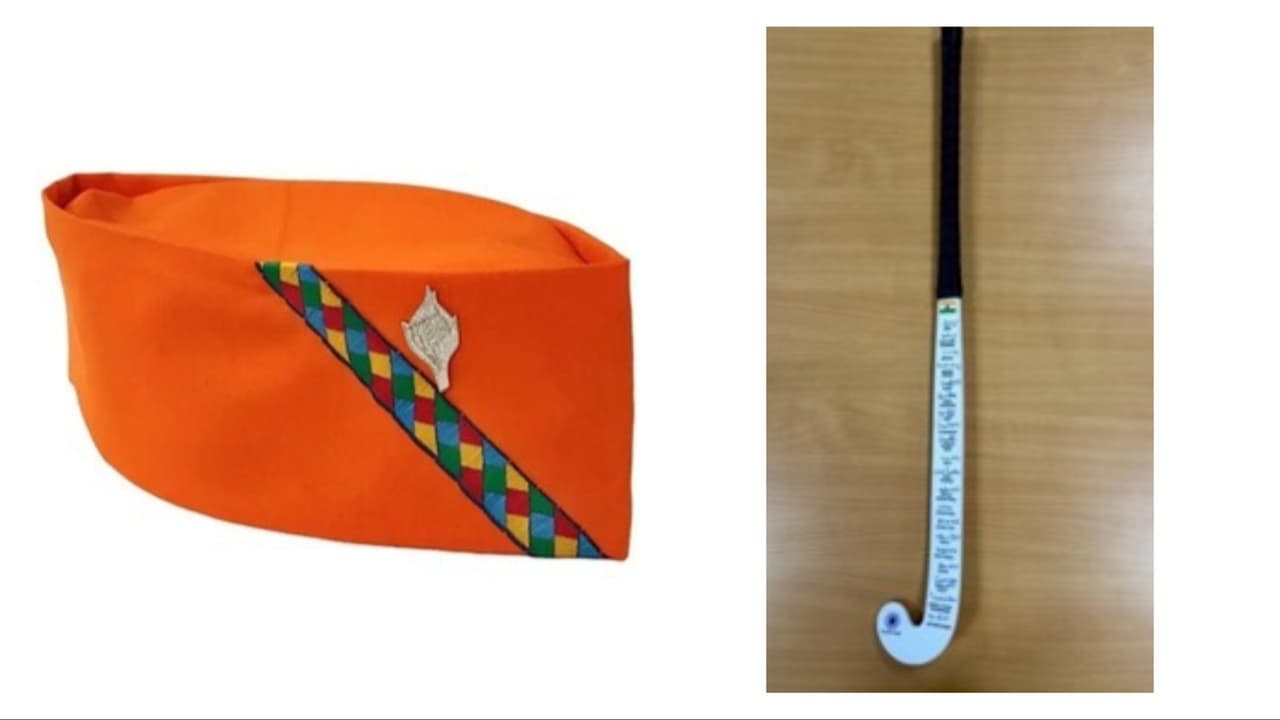
PM Modi presented a signed hockey stick and Uttarakhandi cap to New Zealand PM Christopher Luxon. It reflects the culture and sporting prowess of India. Both countries have aimed to elevate relations to a strategic partnership and double trade by 2030.
New Delhi [भारत]July 12 (ANI): Prime Minister Narendra Modi presented several symbolic gifts to New Zealand Prime Minister Christopher Luxon, showcasing India’s rich culture and prowess in international sports. This reflects the strengthening diplomatic relations between the two countries. These gifts were given during his three-nation visit, which included New Zealand, Indonesia and Australia.
PM Modi gave special gifts to New Zealand PM
Hockey stick: symbol of sportsmanship and teamwork
The gifts given to the New Zealand PM included a hockey stick signed by the entire Indian women’s hockey team. It commemorates the team’s victory in the FIH Hockey Women’s Nations Cup held in New Zealand. More than just a sporting equipment, it is a symbol of tenacity, teamwork and excellence in Indian hockey. Each signature reflects the dedication and determination of the athletes who contributed to a historic championship that will inspire future generations, especially young women, to pursue their dreams. Reflecting India’s glorious hockey heritage, this signed stick celebrates technical prowess, unity and national pride. Preserved as a memorable artefact, it is a lasting tribute to the team’s brilliant achievement and India’s sporting excellence on the global stage.
Uttarakhandi cap: symbol of cultural heritage
Apart from this sporting honour, Prime Minister Modi also presented a traditional Uttarakhandi topi (pahari cap). It is a distinctive symbol of the rich cultural heritage of Uttarakhand and the Himalayan identity. Handcrafted from high quality wool, this hat provides warmth and also reflects traditional textile art through its vibrant woven band. Widely worn during festivals, religious ceremonies, weddings and community events, this cap represents pride, honour, hospitality and respect. Beyond its practical use, it reflects the harmony between local traditions and the natural environment. As an enduring symbol of regional identity, the Uttarakhandi cap preserves indigenous weaving techniques, supports skilled artisans, and promotes India’s diverse cultural heritage for future generations.
Agreed to upgrade bilateral relations to strategic partnership
According to the Ministry of External Affairs (MEA), during the visit, Prime Minister Modi and the Prime Minister of New Zealand held wide-ranging bilateral talks covering “the entire spectrum of bilateral relations”. The two leaders agreed to elevate relations to a strategic partnership and aimed to double bilateral trade by 2030.
The two leaders met at Government House in Auckland, where Prime Minister Modi was given a traditional Maori welcome before inspecting the Guard of Honour, which included traditional rituals considered a symbol of “peace, respect and welcome”. The Prime Ministers held discussions in both limited and delegation-level formats, covering topics such as trade and investment, defense and security, agri-tech, sports, education, tourism, culture and people-to-people ties.
According to the Ministry of External Affairs, the bilateral talks covered “the entire spectrum of bilateral relations”. Both sides agreed to elevate relations to the level of a strategic partnership, marking “a new chapter in India-New Zealand relations”. The two leaders reaffirmed their commitment to deepen cooperation in areas of mutual interest and stressed the importance of early implementation of the India-New Zealand Free Trade Agreement. They also agreed to work towards doubling bilateral trade by 2030.
Exchange of several agreements in various fields
The two Prime Ministers exchanged views on regional and global developments and reiterated their commitment to strengthen cooperation in multilateral fora. Following the talks, the leaders witnessed the exchange of several Memorandums of Understanding (MoUs) and understandings in the fields of defence, maritime security, hydrography, sports, disaster management, dairy, tourism, maritime heritage, culture, food technology and ocean research. (ANI)
(Except for the headline, this story has not been edited by Asianetnews Editorial staff and is published from a syndicated feed.)