In the digital age, lack of physical activity first affects our bones and muscles. Initially there is mild fatigue, then pain in the joints, back strain and weakness in the body start feeling.
This problem increases with increasing age. Ayurveda links it to Vata dosha, while science considers it to be the result of mineral deficiency. In such a situation, sesame comes as a natural solution.
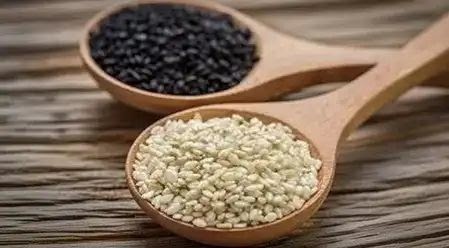
Whether sesame seeds are black or white, both are considered beneficial for health. In Ayurveda, sesame has been called Balya i.e. strength enhancer and Snigdha i.e. nourisher of the body. According to science, sesame seeds are rich in essential minerals like calcium, magnesium and phosphorus. All three elements together strengthen the foundation of bones and support the muscles.
Calcium alone is not enough to strengthen bones. Magnesium helps in transporting calcium to the right place and phosphorus keeps the bone structure balanced. These three elements are naturally present in sesame seeds, hence their effect is gradual but lasts for a long time. This is the reason why in Ayurveda it is advised to make sesame a part of daily diet.
Weakening of bones is a common problem with increasing age, especially in women. science it osteoporosis Says. Ayurveda believes that if the body gets nutrition at the right time, this problem can be prevented to a great extent. Eating a little sesame seeds daily strengthens the bones from within and reduces the risk of their breakage.
Sesame is not only helpful for bones but also helps in joint pain. The natural properties present in it are helpful in reducing swelling in the body. For people who suffer from problems like knee pain, neck stiffness or arthritis, sesame seeds work as a simple home remedy. Its effect is considered even better in winter, because it also gives warmth to the body from inside.
Both Ayurveda and health experts believe that sesame should be consumed in limited quantities. One to two teaspoons of sesame seeds daily is enough. There are many easy ways to eat it. Sesame seeds can be eaten by lightly roasting them, mixed in vegetables or salads, or even eaten by making laddus with jaggery. Traditional sesame-jaggery laddus are not only delicious but are also very beneficial for health.