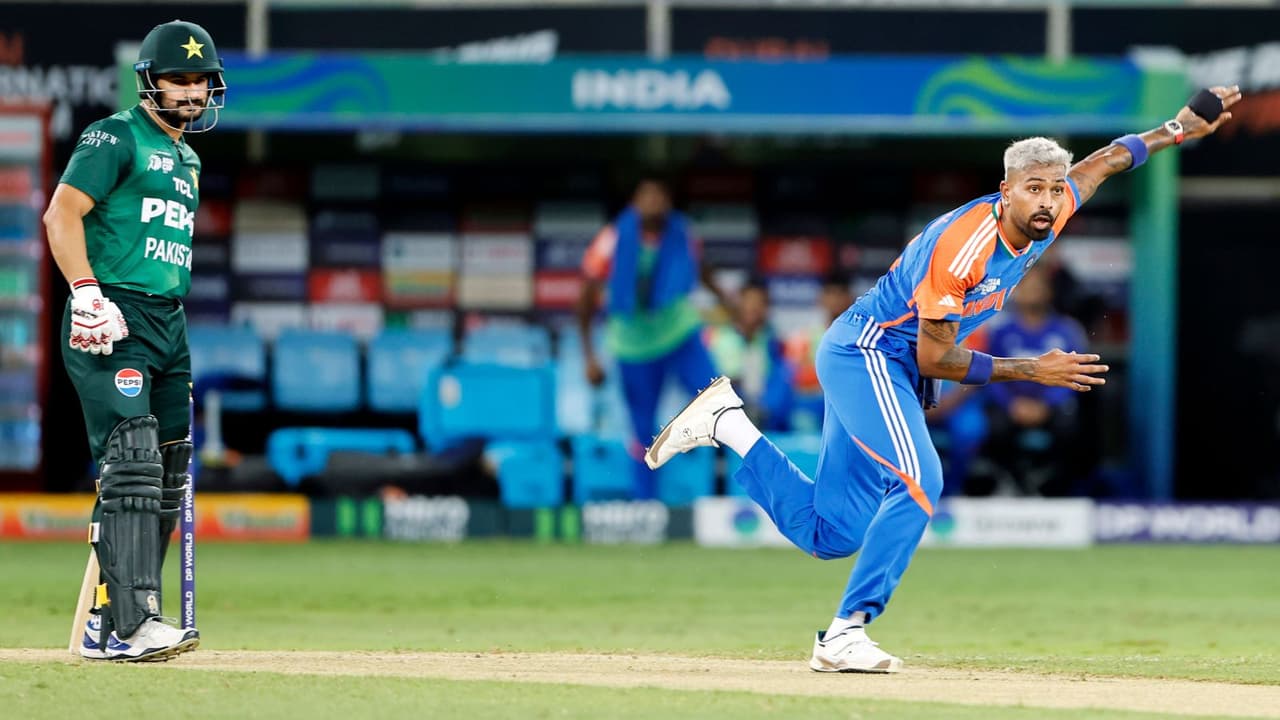
Pakistan’s government has barred its team from facing India at the T20 World Cup, sparking ICC turmoil. Former PCB and ICC chief Ehsan Mani says Jay Shah must negotiate directly to prevent sanctions and salvage the tournament.
The T20 World Cup has been thrown into uncertainty after the Government of Pakistan announced on February 1 that its team would not face India in the Group A clash scheduled for February 15 in Colombo. The decision, delivered just days before the 20‑team tournament begins, has left the International Cricket Council (ICC) scrambling for clarity.
No official explanation was provided, though the move followed Bangladesh’s expulsion from the event after refusing to travel to India citing security concerns. Pakistan’s stance has triggered speculation about the future of the tournament and the fragile cricketing ties between the two nations.
Former PCB and ICC chairman Ehsan Mani told Hindustan Times Digital that ICC chairman Jay Shah must urgently engage with both the Pakistan board and government to resolve the impasse. Mani recalled his own tenure, when he secured India’s 2004 tour of Pakistan through direct talks with ministers. He linked the current hostility to the Asia Cup 2025, where Indian players refused handshakes and declined to accept the trophy from PCB chief Mohsin Naqvi.
“The PCB will say it is following government instructions, just as India did previously,” Mani explained. He warned that sanctions against Pakistan would be complicated, given broadcasters like JioStar may lodge claims against ICC. He argued that participation agreements and broadcast contracts would need careful scrutiny, noting that in his time all matches were treated equally regardless of the teams involved.
The ICC has urged Pakistan to reconsider, but Mani criticized the body for issuing a statement before speaking directly with PCB leadership. “There has to be direct communication between the chairman of ICC and the member country,” he said.
Mani also condemned ICC’s handling of Bangladesh, who requested their matches be shifted from India to Sri Lanka. Their refusal led to expulsion and replacement by Scotland. “There should definitely have been accommodation for Bangladesh’s concerns,” Mani said, calling the decision an insult and warning that politics is undermining world cricket.